7 Warning Signs of Gallbladder Issues You Shouldn't Ignore
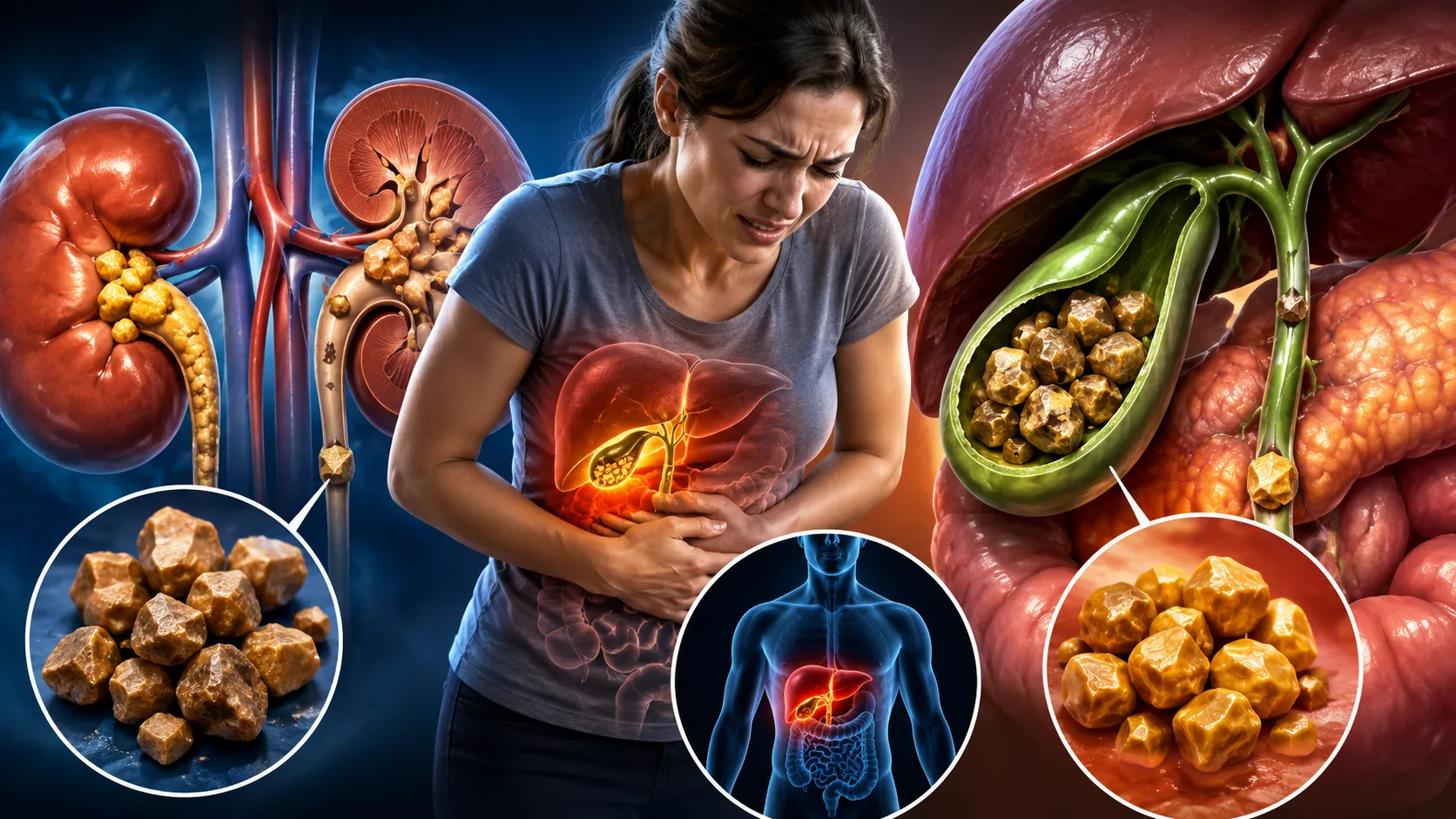
The gallbladder is a small organ located under the liver, yet it plays an essential role in digestion. When bile flow becomes blocked or the gallbladder becomes inflamed, symptoms can range from mild bloating and nausea to severe abdominal pain that radiates into the back or shoulder.
Recognizing the warning signs early may help people seek medical evaluation before complications become serious. This article explains what gallbladder pain feels like, why symptoms occur, how symptoms differ between populations, and when emergency care may be necessary.
The 5 Most Common Signs of Gallbladder Issues
Gallbladder symptoms vary widely from person to person. Some individuals experience sudden attacks, while others develop subtle digestive symptoms that slowly worsen over time.
1. Sudden Pain in the Upper Right Abdomen (Biliary Colic)
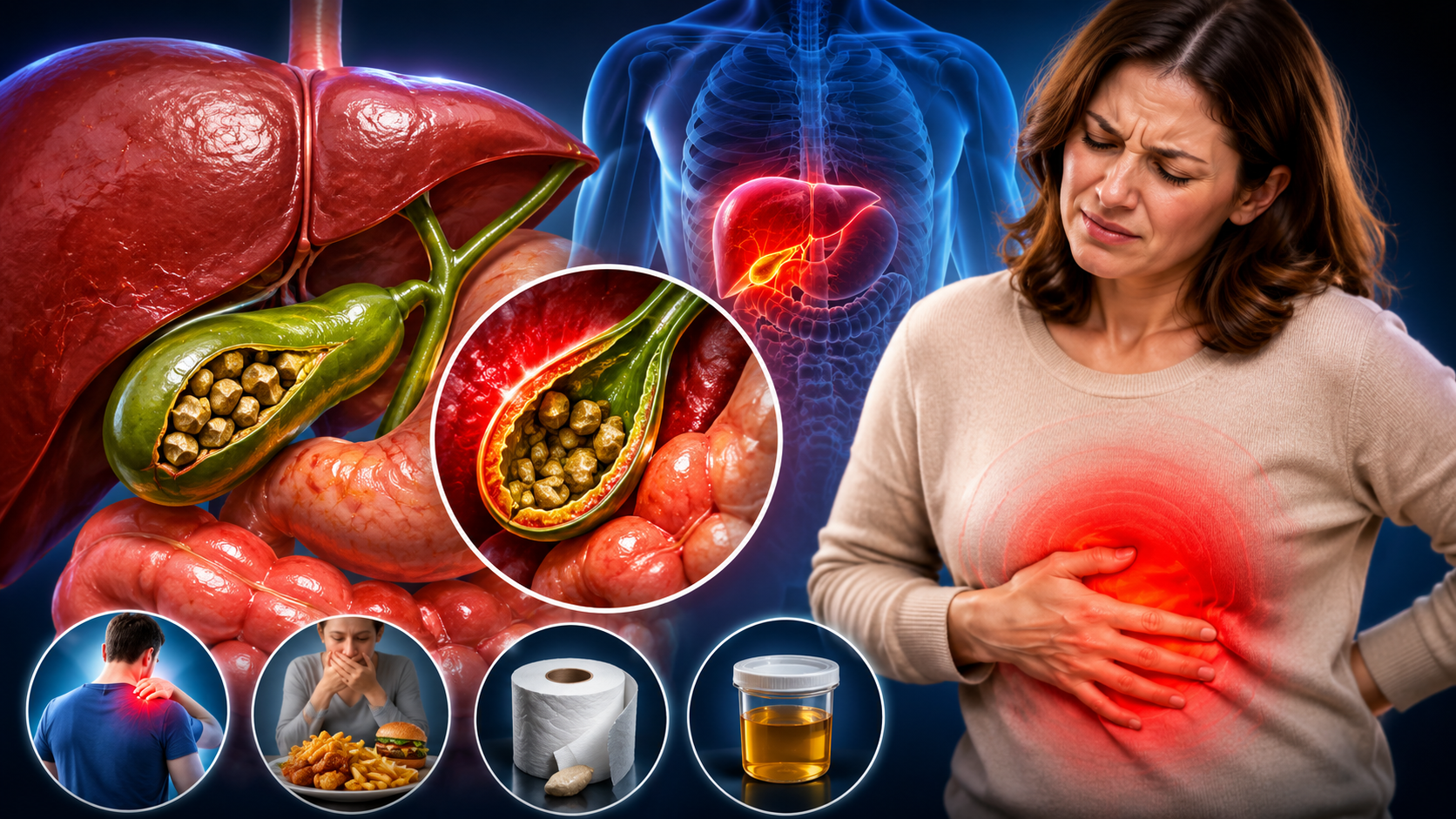
One of the most recognized signs of gallbladder issues is pain in the upper right side of the abdomen, directly beneath the rib cage.
Doctors often call this pain biliary colic, although the sensation is not always “colicky” or cramp-like.
People commonly describe the pain as:
- Sharp and stabbing
- Deep pressure under the ribs
- A squeezing or tightening sensation
- A constant dull ache
- Pain that builds gradually over time
Gallbladder pain frequently appears after eating fatty or heavy meals, including:
- Fried foods
- Pizza
- Cheeseburgers
- Cream sauces
- Fast food
- Large restaurant meals
A gallbladder attack may:
- Begin suddenly
- Peak within 30 minutes to 2 hours
- Last several hours
- Wake someone during the night
Many patients initially mistake the discomfort for gas, acid reflux, muscle strain, or indigestion.
Why Gallstones Cause Pain
The gallbladder stores bile, a digestive fluid produced by the liver. Bile helps break down fats inside the small intestine.
After eating, the digestive system releases hormones that signal the gallbladder to contract and release bile.
If a gallstone blocks the cystic duct during this contraction, pressure begins building inside the gallbladder. That pressure can trigger intense pain and inflammation.
Over time, repeated blockage may lead to infection or gallbladder inflammation known as cholecystitis.
2. Referred Pain in the Right Shoulder Blade or Back
Gallbladder pain does not always stay in the abdomen.
One of the more confusing gallbladder symptoms is referred pain, which occurs when irritation in one area of the body causes pain somewhere else.
Many people report discomfort:
- Beneath the right shoulder blade
- Between the shoulder blades
- Along the upper back
- In the center-right chest
This happens because inflammation near the diaphragm may irritate the phrenic nerve, which shares nerve pathways connected to the shoulder region.
As a result, the brain may interpret gallbladder irritation as shoulder or back pain.
What Referred Pain Feels Like
People often describe the sensation as:
- A dull ache beneath the shoulder blade
- Pressure in the upper back
- Burning discomfort after meals
- Pain that worsens when lying flat
Because these symptoms resemble muscle strain or spinal pain, gallbladder disease is sometimes overlooked for months.
3. Chronic Nausea and Vomiting After Meals
Another common sign of gallbladder issues is feeling sick after eating.
Without healthy bile flow, the body may struggle to digest dietary fat efficiently. This can lead to persistent nausea after meals that previously caused no problems.
Symptoms may include:
- Chronic nausea
- Vomiting after fatty meals
- Feeling “greasy” after eating
- Loss of appetite
- Feeling overly full after small meals
Some people gradually begin avoiding fatty foods because they associate them with discomfort.
Why Digestion Feels Different
Bile acts almost like a natural detergent for dietary fat.
When bile flow slows or becomes blocked:
- Digestion becomes less efficient
- Food may sit heavily in the stomach
- Bloating may worsen
- Nausea becomes more common
These symptoms are frequently confused with:
- Gastritis
- Acid reflux
- Food intolerance
- Functional dyspepsia
- Stress-related stomach issues
- 4. Unexplained Bloating, Gas, and Acid Reflux
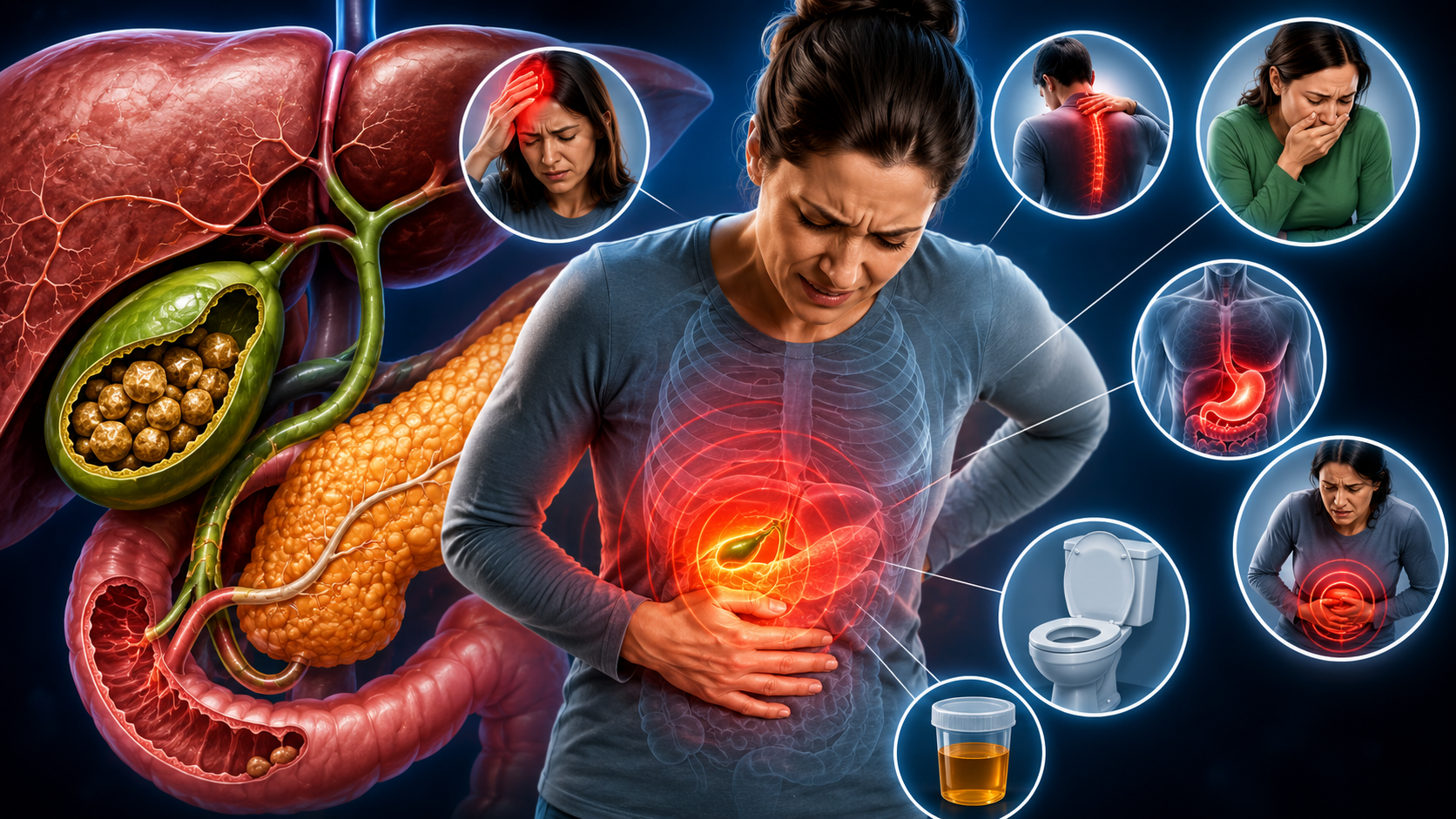
Not all gallbladder symptoms involve dramatic pain.
Many people experience months of vague digestive complaints before developing a severe attack.
These atypical symptoms may include:
- Frequent bloating
- Excess gas
- Burping
- Acid reflux
- Upper abdominal pressure
- Indigestion after meals
Because symptoms overlap with GERD and irritable digestion, gallbladder disease can be difficult to identify without imaging tests.
Can Gallbladder Problems Cause Acid Reflux?
Gallbladder disease does not directly create acid reflux, but digestive dysfunction may produce similar symptoms.
When digestion slows:
- Pressure inside the digestive tract may increase
- Food may remain in the stomach longer
- Some people develop chest burning or sour fluid reflux
This overlap is one reason physicians may evaluate both the stomach and gallbladder during persistent digestive complaints.
5. Changes in Stool and Urine Color
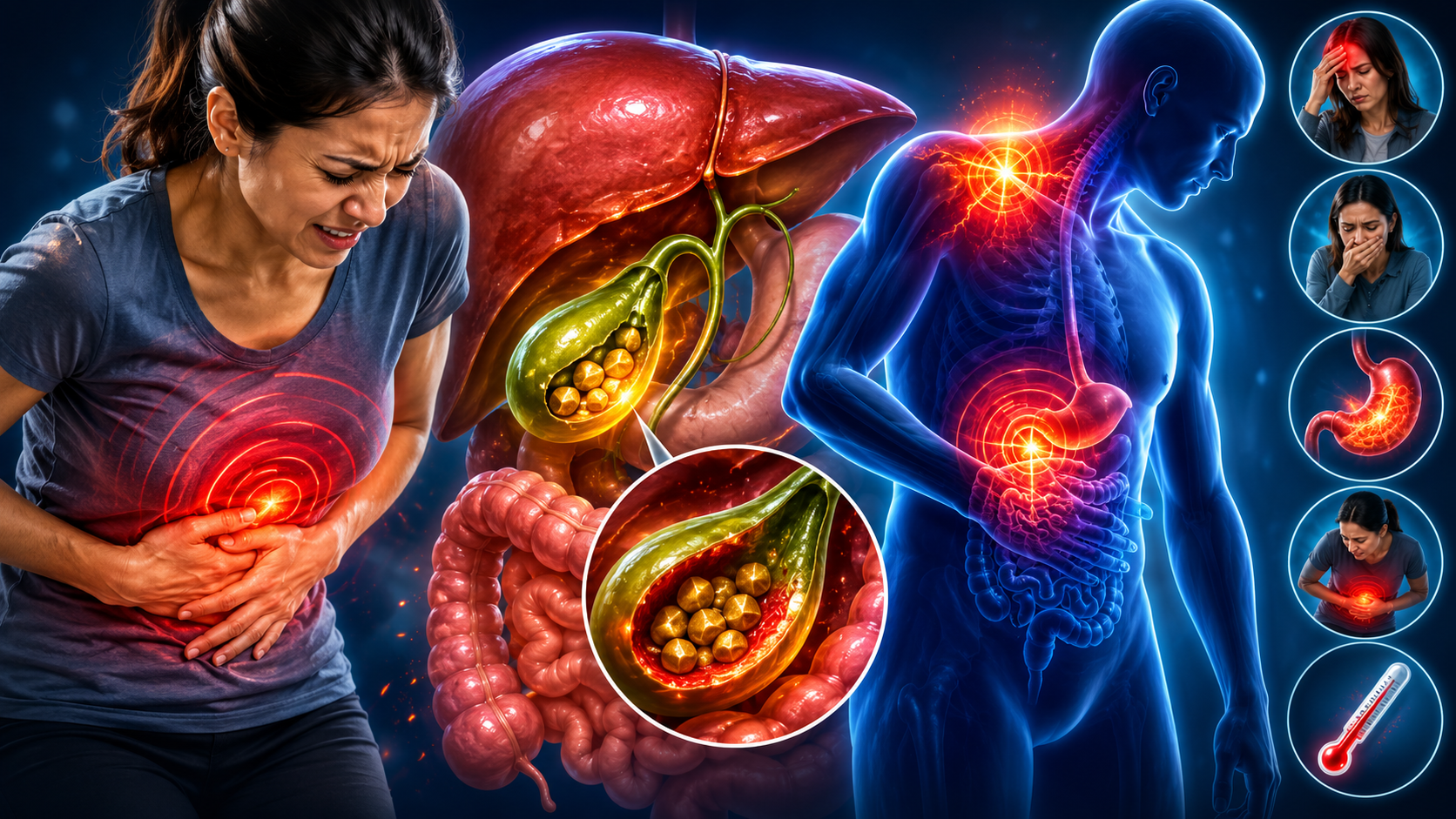
Changes in bowel movements or urine may indicate a bile duct obstruction.
This is one of the more important signs of gallbladder issues because it may suggest bile is no longer flowing properly.
Pale or Clay-Colored Stool
Normal stool receives its brown color from bile pigments.
If bile becomes blocked:
- Stool may appear pale
- It may become gray or clay-colored
- Bowel movements may look unusually light
Dark Urine
When bilirubin cannot exit through bile normally, excess bilirubin may enter the bloodstream and become filtered by the kidneys.
This may cause urine to appear:
- Dark yellow
- Tea-colored
- Brownish
Dark urine combined with abdominal pain or jaundice should never be ignored.
What Does Gallbladder Pain Feel Like? (The Pain Map)
Gallbladder pain often feels different from ordinary stomach discomfort.
Mapping the Exact Location
The most common pain location is the upper right quadrant (URQ) of the abdomen.
This area sits:
- Beneath the right rib cage
- Near the liver
- Toward the upper-right stomach
Some people instinctively press their hand beneath the ribs while describing the pain.
Others experience pain spreading toward:
- The back
- The right shoulder
- The center chest
- The upper abdomen
The Fat Trigger Timeline
Gallbladder attacks often follow a recognizable sequence.
Step 1: Eating a Fatty Meal
Fatty foods stimulate digestion hormones.
Step 2: Gallbladder Contraction
The gallbladder contracts to release bile.
Step 3: A Stone Blocks Flow
If a gallstone blocks the duct, pressure rises rapidly.
Step 4: Pain Intensifies
Pain may continue building over several hours.
This timeline helps doctors distinguish gallbladder attacks from other digestive disorders.
Atypical Signs: How Symptoms Change in Different Groups
Not everyone experiences textbook gallbladder symptoms.
Age, hormones, metabolism, and nerve function can all affect symptom presentation.
Gallbladder Signs in Older Adults and People With Diabetes
Older adults may develop milder or less obvious symptoms.
Instead of sharp abdominal pain, symptoms may include:
- Fatigue
- Weakness
- Confusion
- Mild nausea
- Loss of appetite
- General illness
People living with diabetes may also develop atypical symptoms because diabetic neuropathy can interfere with pain signaling.
This may delay diagnosis and increase the risk of complications.
Why Delayed Diagnosis Matters
Untreated gallbladder disease may eventually lead to:
- Gallbladder infection
- Bile duct blockage
- Pancreatitis
- Sepsis
Persistent digestive symptoms in older adults should not automatically be dismissed as normal aging.
Gallbladder Issues During and After Pregnancy
Pregnancy increases gallstone risk because hormones affect bile flow and gallbladder movement.
Estrogen may increase cholesterol concentration inside bile, while progesterone may reduce gallbladder contractions.
This combination can encourage:
- Bile stasis
- Gallbladder sludge
- Gallstone formation
Some women experience:
- Severe bloating
- Rib pain
- Nausea after meals
- Digestive discomfort during pregnancy
Symptoms may continue after delivery, particularly during the postpartum period.
Red Flag Symptoms: When to Go to the ER Immediately
Some gallbladder complications require emergency treatment.
Recognizing Acute Cholecystitis
Acute cholecystitis occurs when the gallbladder becomes inflamed, often because a stone remains trapped.
Symptoms may include:
- Severe abdominal pain
- Fever
- Chills
- Vomiting
- Tenderness beneath the ribs
Without treatment, complications can become serious.
Warning Signs of Dangerous Biliary Complications
Seek immediate medical care if symptoms occur alongside:
- Fever or chills
- Yellowing skin or eyes (jaundice)
- Severe vomiting
- Confusion
- Inability to keep fluids down
- Severe pain lasting several hours
These symptoms may indicate:
- Bile duct obstruction
- Gallbladder infection
- Cholangitis
- Pancreatitis
- Gallbladder Signs vs. Other Conditions: How to Tell the Difference
Gallbladder symptoms often overlap with other medical conditions.
Is It the Gallbladder, a Stomach Ulcer, or a Heart Attack?
Because the gallbladder sits near the stomach and diaphragm, symptoms may resemble:
- Acid reflux
- Stomach ulcers
- Pancreatitis
- Kidney stones
- Heart-related pain
Doctors usually rely on imaging and blood tests instead of symptoms alone.
Differential Symptom Comparison Table
| Condition | Common Pain Location | Typical Trigger | Other Clues |
| Gallbladder issues | Upper right abdomen | Fatty meals | Shoulder pain, nausea |
| GERD | Chest or upper stomach | Lying down, spicy foods | Burning sensation |
| Stomach ulcer | Upper middle abdomen | Empty stomach | Gnawing discomfort |
| Kidney stones | Side or lower back | Sudden onset | Pain radiating to groin |
| Heart-related pain | Chest, upper abdomen, or left arm | May occur during activity, stress, rest, or after meals | Sweating, shortness of breath |
WARNING: Heart attacks can sometimes feel exactly like upper stomach fullness or indigestion, especially in women and people with diabetes. Never wait to see if severe pain passes on its own. If abdominal pain is crushing or accompanied by shortness of breath, call 911 immediately.
Post-Cholecystectomy Syndrome: Why Some Symptoms Continue After Gallbladder Removal
Some people continue experiencing symptoms even after gallbladder surgery.
This condition is sometimes called Post-Cholecystectomy Syndrome (PCS).
Why Symptoms Can Continue
Possible causes include:
- Bile leaking continuously into the intestine
- Digestive sensitivity to bile acids
- Retained bile duct stones
- Sphincter of Oddi dysfunction
- Irritable bowel symptoms unrelated to the gallbladder
Symptoms may include:
- Right-sided abdominal pain
- Diarrhea after meals
- Bloating
- Nausea
- Indigestion
Is Post-Cholecystectomy Syndrome Dangerous?
In many cases, symptoms are manageable and not life-threatening.
However, persistent pain after surgery should still be evaluated because retained stones or bile duct complications occasionally require additional treatment.
What Causes Gallbladder Problems?
Several underlying conditions may contribute to gallbladder disease.
Gallstones
Gallstones are the most common cause.
These hardened deposits form when bile contains too much cholesterol or bilirubin.
Bile Sludge
Thickened bile may collect inside the gallbladder and interfere with normal drainage.
Gallbladder Inflammation
Inflammation may develop because of stones, infection, or reduced bile flow.
Poor Gallbladder Emptying
If the gallbladder does not contract effectively, bile may remain stagnant.
This process is called bile stasis.
Risk Factors That Increase Gallbladder Disease
Some individuals are more likely to develop gallbladder problems.
Common Risk Factors
Risk factors include:
- Obesity
- Rapid weight loss
- Pregnancy
- Family history
- Type 2 diabetes
- High cholesterol
- Sedentary lifestyle
- Older age
Rapid Weight Loss and Gallstones
Very low-calorie diets and rapid weight loss may increase cholesterol release into bile while slowing gallbladder emptying.
This combination may encourage gallstone formation.
How Gallbladder Issues Are Diagnosed
Doctors typically combine symptoms, physical examination, imaging, and blood tests to diagnose gallbladder disease.
Abdominal Ultrasound
Ultrasound is considered the first-line imaging test for gallstones.
It may identify:
- Gallstones
- Gallbladder inflammation
- Thickened gallbladder walls
- Enlarged bile ducts
Blood Tests
Blood panels may evaluate:
- Liver enzymes
- Bilirubin levels
- Infection markers
- Pancreatic enzymes
HIDA Scan
A HIDA scan measures how effectively the gallbladder empties bile.
This test may help evaluate gallbladder function even when stones are not visible on ultrasound.
How Gallbladder Problems Are Treated
Treatment depends on the cause and severity of symptoms.
Lifestyle and Dietary Adjustments
Some people improve symptoms by:
- Reducing very fatty meals
- Eating smaller portions
- Maintaining stable body weight
- Avoiding crash diets
Medication Therapy
Doctors sometimes prescribe ursodeoxycholic acid to help dissolve small cholesterol gallstones.
However, medication therapy:
- Usually works only on certain cholesterol stones
- May take months or years
- Has variable success rates
- Does not work well for calcified stones
Because of these limitations, medication treatment is not appropriate for every patient.
Gallbladder Removal Surgery (Cholecystectomy)
Gallbladder removal surgery is one of the most common treatments for symptomatic gallstones.
Most procedures are performed laparoscopically using small incisions.
Many people continue digesting food normally after recovery, although some temporarily experience bloating or loose stools.
Frequently Asked Questions (FAQ)
What are the early signs of gallbladder problems?
Early signs often include mild discomfort in the upper right abdomen after eating fatty foods, along with bloating, nausea, gas, or indigestion that repeatedly returns.
Can you have gallbladder issues without pain?
Yes. Some people develop “silent gallstones” that cause few or no symptoms. Others experience only vague digestive complaints without severe pain.
Why does gallbladder pain spread to the shoulder?
Shared nerve pathways between the diaphragm and shoulder region may cause referred pain beneath the right shoulder blade.
Can stress cause gallbladder symptoms?
Stress itself may not directly create gallstones, but chronic stress can influence digestion, gut motility, and eating patterns in ways that worsen symptoms.
I had my gallbladder removed. Why do I still have symptoms?
Some people continue experiencing digestive symptoms after surgery because of bile flow changes, retained stones, or post-cholecystectomy syndrome.
Conclusion
The signs of gallbladder issues can range from mild bloating and indigestion to severe upper abdominal pain that radiates into the back or shoulder.
Because symptoms frequently resemble acid reflux, ulcers, or general stomach problems, many people do not realize the gallbladder may be involved until symptoms become more intense.
Understanding where gallbladder pain occurs, what triggers symptoms, and which warning signs require emergency care may help people seek medical evaluation earlier and avoid serious complications.
If symptoms become severe, persistent, or occur alongside fever, jaundice, vomiting, or chest discomfort, prompt medical assessment is important.