Acute Appendicitis: From Early Signs to Advanced Recovery & Treatment Options
Acute appendicitis is one of the most common surgical emergencies in the United States. Although it often begins as mild stomach discomfort, the condition can progress quickly and may become dangerous if treatment is delayed. Many patients initially mistake the pain for gas, indigestion, or food poisoning because the symptoms can feel vague during the early stages.
One reason appendicitis can be difficult to recognize is that the pain often changes location over time. Patients frequently describe a dull ache near the belly button that later shifts toward the lower right side of the abdomen. As inflammation worsens, movements such as coughing, walking, or even riding in a car may become increasingly painful.
Emergency physicians often explain that appendicitis symptoms can evolve within hours. Some patients say the discomfort starts as “just a stomachache” before becoming sharp and impossible to ignore. This progression is one reason doctors encourage people not to ignore severe or worsening abdominal pain, especially when fever or nausea develops alongside it.
Because untreated appendicitis can sometimes lead to rupture and infection, early medical evaluation is important. Modern healthcare now offers several approaches to diagnosis and treatment, including minimally invasive surgery and carefully selected non-surgical treatment for appendicitis in certain uncomplicated cases.
Is It Appendicitis? Emergency Red Flags to Watch For
One of the hallmark appendicitis symptoms is pain that migrates from the center of the abdomen toward the lower right side. Doctors refer to this area as McBurney’s point, where tenderness often becomes most noticeable as inflammation progresses.
Many patients report that the pain becomes more intense over time rather than improving. Unlike temporary digestive discomfort, appendicitis pain often worsens with movement. Walking upright, coughing, or sudden motion may trigger sharper pain because the inflamed appendix irritates surrounding tissues inside the abdomen.
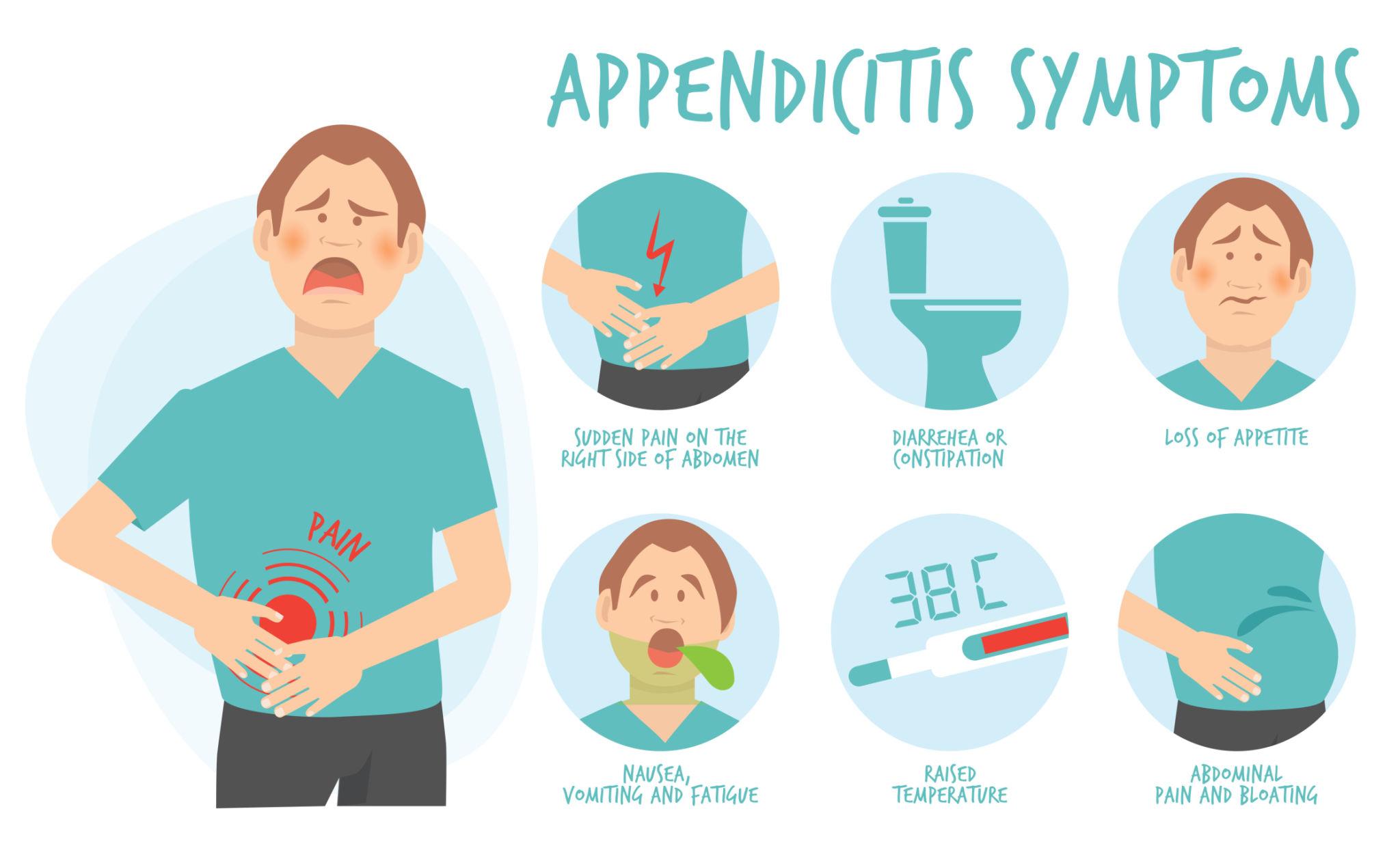
Other warning signs commonly include nausea, vomiting, fever, loss of appetite, abdominal bloating, and rebound tenderness. Rebound tenderness happens when pain becomes worse after pressure on the abdomen is suddenly released. While not every patient experiences identical symptoms, the combination of worsening pain and systemic symptoms can raise concern for appendicitis.
Some emergency doctors observe that patients instinctively move carefully or slightly bend forward while walking because abdominal movement becomes uncomfortable. In more advanced cases, sudden severe pain may signal a ruptured appendix, which requires immediate emergency care.
What is Acute Appendicitis? Understanding the Urgency
Acute appendicitis occurs when the appendix becomes inflamed, swollen, and infected. The appendix itself is a small finger-shaped pouch attached to the large intestine in the lower right portion of the abdomen. Although scientists continue studying its exact purpose, some researchers believe it may play a role in immune function and maintaining healthy gut bacteria.
In many cases, appendicitis begins when the opening of the appendix becomes blocked. This blockage may occur because of hardened stool fragments called fecaliths, enlarged lymph tissue after infection, or less commonly, tumors or intestinal irritation. Once blocked, bacteria can multiply inside the appendix, causing pressure and inflammation to build.
As swelling increases, blood flow to the appendix may decrease. Without treatment, the tissue can weaken and eventually rupture. A burst appendix allows bacteria to spread into the abdominal cavity, potentially leading to serious infections such as peritonitis or abscess formation.
Doctors consider acute appendicitis a medical emergency because complications become more likely when treatment is delayed. Fortunately, modern imaging tools and minimally invasive surgical techniques have significantly improved outcomes for many patients.
Acute vs. Chronic Appendicitis
Acute appendicitis develops suddenly and typically worsens within hours or days. Chronic appendicitis, which is much less common, may cause intermittent abdominal pain over longer periods. Because chronic cases can mimic other digestive disorders, diagnosis may sometimes take longer.
Common Causes and Risk Factors
Although appendicitis can occur at almost any age, it appears most frequently in teenagers and young adults. Family history, gastrointestinal infections, and obstruction inside the appendix may increase the risk.
Symptoms Checklist: How to Differentiate Abdominal Pain
Not every stomachache is appendicitis. Conditions such as food poisoning, constipation, kidney stones, urinary infections, and gynecological problems can also cause abdominal discomfort. This overlap is one reason doctors use a combination of symptoms, physical examination findings, laboratory testing, and imaging studies when evaluating patients.
Adults often experience the classic pattern of pain moving from the belly button to the lower right abdomen. However, children may present differently. Young children sometimes become irritable, refuse food, or struggle to explain where the pain is located. Pediatric surgeons often note that toddlers may pull their knees toward their chest or avoid walking because movement increases discomfort.

Appendicitis can also appear differently during pregnancy. As the uterus expands, the appendix may shift upward, causing pain higher in the abdomen than expected. In elderly adults, symptoms may be less dramatic, which can delay diagnosis and increase the risk of complications.
Because symptoms overlap with many digestive illnesses, self-diagnosis can be risky. Severe or worsening abdominal pain should always be evaluated by a healthcare professional rather than compared only to online symptom charts.
Modern Diagnostic Procedures
Diagnosing appendicitis usually involves several steps. Doctors first review the patient’s symptoms and medical history before performing a physical examination. During the exam, healthcare providers may check for tenderness, rebound pain, guarding, and discomfort during movement.
Certain physical examination signs help doctors evaluate whether inflammation may be affecting nearby tissues. These include Rovsing’s sign and the psoas sign, which may indicate irritation around the appendix. Blood tests are also commonly ordered to look for elevated white blood cell counts or inflammatory markers.
Imaging studies play a major role in modern appendicitis diagnosis. CT scans remain one of the most commonly used tools for adults because they can clearly identify inflammation, abscesses, or rupture. Ultrasound is frequently preferred for children and pregnant patients because it avoids radiation exposure. MRI may also be used during pregnancy when additional imaging detail is needed.
Some hospitals use the Alvarado Score, a clinical scoring system based on symptoms, tenderness, fever, and laboratory findings. While the score can help estimate risk, imaging studies are still often necessary to confirm the diagnosis.
Treatment Innovations: Surgery and Beyond
The standard treatment for appendicitis has traditionally been appendectomy, which is the surgical removal of the appendix. Today, many uncomplicated cases are treated using laparoscopic surgery, a minimally invasive technique involving small incisions and a tiny camera.
Patients who undergo laparoscopic appendectomy often experience smaller scars, shorter hospital stays, and faster recovery times compared with traditional open surgery. However, open appendectomy may still be necessary in complicated situations such as rupture or widespread infection.
In recent years, interest in non-surgical treatment for appendicitis has increased. Several studies published in journals including The New England Journal of Medicine and The Lancet suggest that selected patients with uncomplicated appendicitis may initially respond to antibiotics alone.
Researchers note, however, that recurrence remains possible. Some studies suggest that approximately 20% to 30% of patients treated with antibiotics alone may experience recurrent appendicitis within the first year. Because of this, treatment decisions are individualized based on imaging findings, symptom severity, and overall health.
Patients with ruptured appendicitis, abscesses, or severe infection generally still require surgery and hospital-based care.
What Happens If the Appendix Bursts?
A ruptured appendix is considered a serious medical emergency. When the appendix bursts, bacteria can spread throughout the abdomen and trigger widespread infection. This condition may lead to peritonitis, abscess formation, or sepsis in severe cases.
Possible ruptured appendix signs include sudden worsening abdominal pain, high fever, chills, abdominal swelling, rapid heart rate, weakness, or confusion. Some patients report temporary pain relief shortly before symptoms dramatically worsen because pressure inside the appendix decreases after rupture.
Treatment for a ruptured appendix often involves emergency surgery, intravenous antibiotics, and longer hospitalization. Recovery may also take more time compared with uncomplicated appendicitis cases.
The Cost of Care & Insurance Coverage
The cost of appendicitis treatment in the United States varies widely depending on hospital location, insurance coverage, complications, and whether surgery is required. Emergency room visits, imaging tests, anesthesia, hospitalization, and surgeon fees can all contribute to the final bill.
For uncomplicated laparoscopic appendectomy, total hospital costs may range from approximately $10,000 to $35,000 or more. Cases involving rupture, intensive care, or prolonged hospitalization can become significantly more expensive.
Patients with health insurance may still face deductibles, co-pays, or out-of-network charges. Healthcare advocates often recommend requesting itemized bills and reviewing insurance explanation-of-benefits documents carefully to identify billing errors or unexpected charges.
Recovery Roadmap: Life After Appendectomy

Most patients recover successfully after appendectomy, especially when treatment occurs before rupture develops. Recovery experiences vary depending on the surgical method used and whether complications occurred.
During the first 24 hours after surgery, many patients feel tired, sore, and bloated rather than experiencing severe pain. Doctors often encourage light walking soon after surgery because movement may help improve circulation and reduce the risk of complications.
By days two and three, abdominal discomfort usually begins to improve gradually, although some soreness near the incisions may continue. Patients who undergo laparoscopic surgery sometimes notice temporary shoulder pain caused by gas used during the procedure irritating nerves near the diaphragm.
Many patients return to desk-based work within about one week, though physically demanding jobs may require several weeks of recovery. Light exercise is often resumed gradually after two to four weeks, while heavy lifting restrictions may remain in place for up to six weeks depending on surgical recommendations.
Researchers continue studying whether appendix removal affects the gut microbiome long-term. Current evidence suggests that most people continue living healthy lives without noticeable digestive problems after appendectomy.
What To Do While Waiting for Emergency Care
If appendicitis is suspected, doctors often recommend avoiding food and drinks until evaluation is completed because surgery may become necessary. Heating pads and laxatives are generally discouraged because they may worsen complications in some situations.
Parents of children awaiting surgery are often encouraged to use calm and reassuring language. Pediatric specialists frequently explain that simple, honest communication can help reduce fear before entering the operating room.
FAQ
Can appendicitis pain come and go?
Yes. Early appendicitis symptoms may fluctuate before becoming more severe.
Can appendicitis feel like period cramps?
Sometimes. In women, appendicitis can occasionally resemble menstrual cramps or ovarian pain.
Why does shoulder pain happen after laparoscopic surgery?
Gas used during minimally invasive surgery may temporarily irritate nerves connected to the diaphragm, causing referred shoulder discomfort.
Why do I still feel pain after appendix surgery?
Mild soreness is common during healing. However, worsening pain, fever, or drainage should be medically evaluated.
References
Conclusion
Acute appendicitis remains one of the most important abdominal emergencies because symptoms can worsen quickly and complications become more likely when treatment is delayed. Recognizing warning signs such as migrating abdominal pain, fever, nausea, and worsening tenderness may help patients seek care earlier.
Advances in imaging technology, minimally invasive surgery, and selective antibiotic-first therapy have improved outcomes for many patients in recent years. Although recovery after appendectomy is often straightforward, prompt medical evaluation remains essential whenever severe or worsening abdominal pain occurs.