Appendicitis Causes: Why It Happens and When to Worry
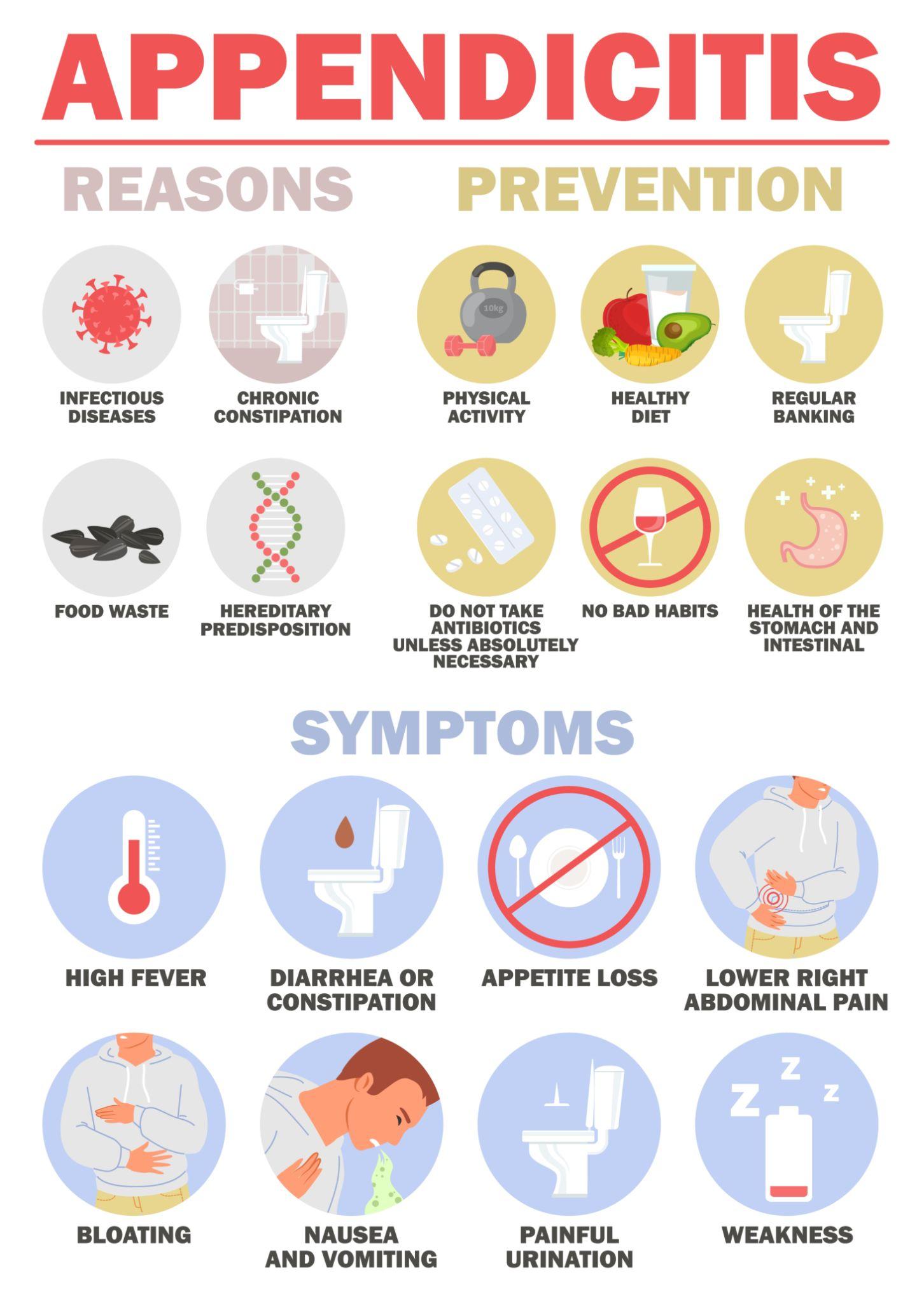
Although most appendicitis cases are caused by fecaliths or lymphoid swelling, doctors have identified several rare situations in which foreign objects or tumors obstruct the appendix and trigger inflammation. These causes are uncommon, but they are medically important because they may increase the risk of delayed diagnosis, severe infection, or rupture.
The appendix is a small, narrow pouch attached to the beginning of the Large Intestine near the Cecum. Under normal conditions, mucus produced inside the appendix drains freely into the bowel. However, because the appendix opening is extremely small, even a minor obstruction can interfere with normal drainage. Once the opening becomes blocked, bacteria multiply rapidly inside the trapped space. Pressure begins to rise, blood flow decreases, and the appendix wall becomes swollen and inflamed.
This process may initially cause mild abdominal discomfort, but inflammation can worsen quickly. Without treatment, prolonged blockage may eventually lead to ischemia, tissue death, gangrene, perforation, or widespread abdominal infection such as Peritonitis.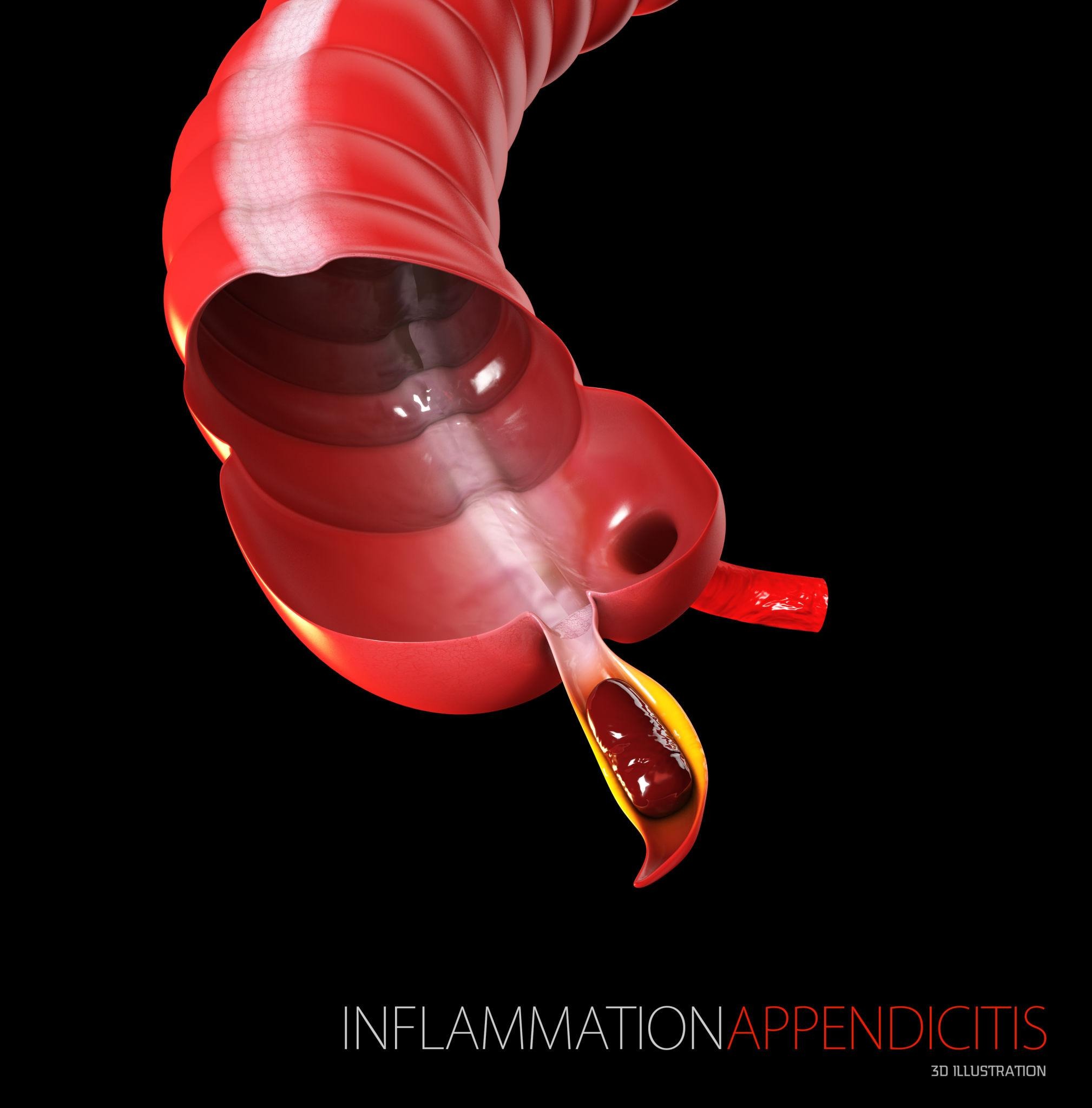
In rare situations, swallowed materials can become trapped inside the appendix. Reported examples include:
- Fruit seeds
- Bone fragments
- Toothpicks
- Small metal particles
- Hardened food material
- Dental fillings
- Parasites
- Tiny foreign bodies accidentally swallowed during meals
Because the appendix opening is so narrow, doctors believe that certain objects may occasionally become lodged inside and act as a physical obstruction. Once trapped, the foreign material can prevent mucus drainage and create an environment where bacteria such as E. coli and Bacteroides fragilis multiply rapidly.
Despite popular myths, this situation remains extremely uncommon. Scientific reviews suggest that fruit seeds and similar foreign bodies account for only a very small percentage of appendicitis cases. Most people regularly consume foods containing seeds without experiencing any appendix-related problems. This is why experts generally consider the “seeds cause appendicitis” belief more myth than medical reality.
However, there are isolated medical reports describing appendicitis associated with seeds from fruits such as guava, oranges, or grapes. In these unusual cases, the seed likely acted as a direct mechanical blockage inside the appendix. Even so, researchers emphasize that these incidents are exceptionally rare compared to common obstruction from hardened stool.
Parasitic infections may also occasionally contribute to appendicitis. Organisms such as pinworms can irritate the appendix lining or partially obstruct the appendix lumen. Children appear more susceptible to parasite-associated cases because parasitic infections occur more commonly in younger populations. In some patients, parasites may trigger chronic low-grade inflammation before sudden appendicitis symptoms appear.
Tumors represent another uncommon but clinically important cause of appendicitis, particularly in adults over age 50. Both benign and malignant growths can narrow the appendix opening or compress nearby bowel structures. As the blockage worsens, mucus and bacteria accumulate inside the appendix, eventually leading to swelling and infection.
Several types of tumors have been associated with appendicitis, including:
- Neuroendocrine tumors
- Mucinous neoplasms
- Adenocarcinoma
- Polyps
- Metastatic cancer involving nearby organs
In many cases, patients do not realize a tumor is present until appendicitis develops unexpectedly. Sometimes the inflammation itself becomes the first warning sign that leads doctors to discover an underlying abnormal growth.
This is one reason appendicitis in older adults often receives additional medical attention. Physicians may recommend follow-up testing such as CT Scan imaging, colonoscopy, or biopsy after treatment, especially when symptoms appear atypical or when imaging suggests unusual thickening near the appendix or Cecum.
Tumor-related appendicitis may differ from classic appendicitis in several ways. Instead of sudden severe pain, symptoms may progress slowly over days or weeks. Some patients experience intermittent abdominal discomfort, unexplained weight loss, changes in bowel habits, anemia, or chronic digestive symptoms before acute inflammation occurs.
Unfortunately, delayed diagnosis may increase the likelihood of complications. When the appendix remains obstructed for too long, pressure inside the organ continues rising. Reduced blood supply weakens the appendix wall, allowing bacteria to invade deeper tissues. Eventually, rupture may occur, spilling infected material throughout the abdominal cavity and dramatically increasing the risk of Peritonitis or abscess formation.
Doctors therefore consider persistent or unusual abdominal pain particularly important in older adults. While appendicitis itself remains far more common than appendix cancer, medical teams often investigate carefully to rule out hidden structural abnormalities.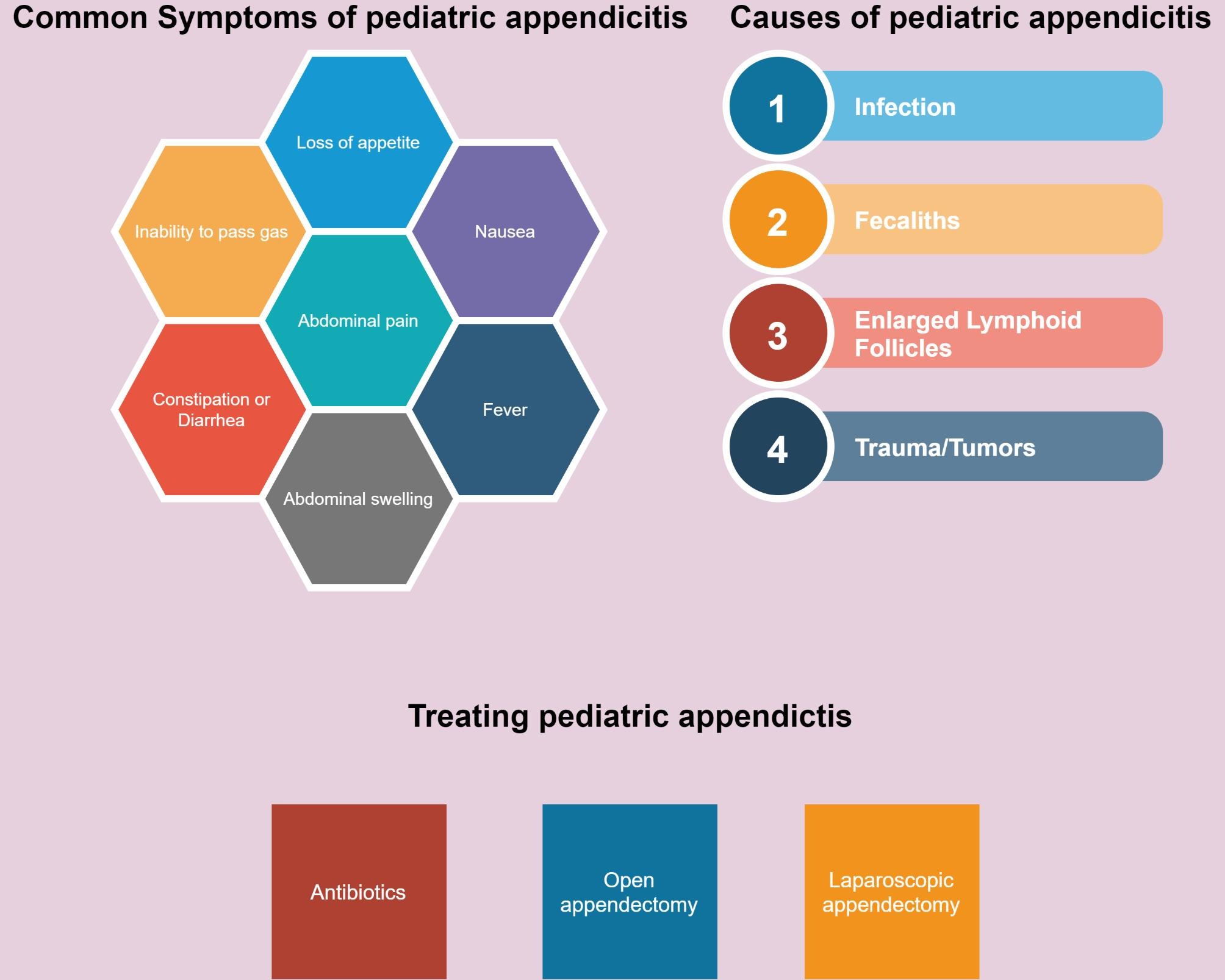
Foreign objects and tumors highlight an important medical reality: appendicitis is not a single-disease process with one universal trigger. Instead, many different conditions can create the same dangerous chain reaction — obstruction, bacterial overgrowth, inflammation, reduced blood flow, tissue injury, and possible rupture if treatment is delayed.
Understanding these less common appendicitis causes helps explain why symptoms, progression, and treatment approaches can vary significantly between patients.
Some bacterial, viral, or parasitic infections may contribute to appendix inflammation and are considered important secondary appendicitis triggers. Although infections are not viewed as the primary cause in most patients, doctors believe they can create the conditions necessary for the appendix to become blocked, swollen, and infected. In many cases, appendicitis develops through a combination of factors rather than a single isolated event. Gastrointestinal infections may therefore act as one piece of a larger inflammatory process inside the digestive tract.
The appendix contains a large concentration of lymphoid tissue, which is part of the body’s immune defense system. This tissue helps detect harmful organisms entering the intestines and plays a role in immune responses during infections. When the body encounters viruses, bacteria, or parasites, the immune system reacts by increasing inflammation and activating immune cells. As a result, lymphoid tissue inside the appendix wall may become enlarged.
Because the appendix opening is naturally very narrow, even moderate swelling can interfere with normal drainage. Mucus produced inside the appendix may no longer flow properly into the Large Intestine near the Cecum. Once drainage becomes blocked, bacteria already present inside the digestive tract become trapped within the appendix.
At this stage, the internal environment of the appendix begins changing rapidly. Pressure rises as mucus and fluids accumulate. Blood vessels supplying the appendix wall become compressed, reducing oxygen delivery to the tissue. As circulation decreases, the appendix becomes more vulnerable to bacterial invasion and tissue damage.
Bacteria such as E. coli and Bacteroides fragilis normally exist harmlessly within the intestines. However, when trapped inside a blocked appendix, these bacteria can multiply aggressively. The growing infection causes the appendix wall to swell further, creating a dangerous cycle of increasing pressure, inflammation, and reduced blood flow.
Over time, untreated inflammation may progress through several stages:
- Swelling and irritation of the appendix wall
- Accumulation of pus inside the appendix
- Reduced blood circulation and ischemia
- Tissue death and gangrene
- Rupture or perforation of the appendix
- Spread of infection into the abdominal cavity
Once rupture occurs, bacteria and infected material may leak into surrounding tissues, potentially leading to serious complications such as Peritonitis or abscess formation. This is why appendicitis is considered a medical emergency once significant inflammation develops.
Doctors have noticed that certain infections appear more commonly before appendicitis symptoms begin. Viral illnesses are especially important in children and teenagers because younger patients tend to have more active lymphoid tissue inside the appendix. After respiratory infections, influenza, stomach flu, or viral gastroenteritis, immune-related swelling may temporarily enlarge the appendix lining enough to create obstruction.
This may help explain why some patients report feeling sick with a virus several days before classic appendicitis symptoms appear. A child may initially experience mild fever, fatigue, nausea, or generalized stomach discomfort before pain gradually shifts toward the lower right abdomen.
Bacterial gastrointestinal infections may also contribute indirectly to appendicitis development. Severe food poisoning or intestinal infections can inflame nearby digestive tissues and disrupt normal bowel movement patterns. Diarrhea, cramping, dehydration, and irritation around the Cecum may alter pressure inside the intestines and increase the risk of appendix blockage in susceptible individuals.
Parasitic infections represent another uncommon but medically recognized trigger. Parasites such as pinworms have occasionally been discovered inside inflamed appendixes, particularly in children. Researchers believe parasites may contribute through several possible mechanisms:
- Physically blocking the appendix opening
- Triggering chronic irritation of the appendix lining
- Stimulating excess mucus production
- Causing local immune activation and swelling
- Encouraging secondary bacterial infection
In some parasitic cases, symptoms may develop more gradually than classic appendicitis. Patients may experience intermittent abdominal discomfort, digestive upset, or mild inflammation before sudden worsening occurs.
Importantly, most people who experience gastrointestinal infections will never develop appendicitis. Millions of viral and bacterial stomach illnesses occur every year without any appendix complications. Researchers therefore believe infections do not directly “cause” appendicitis on their own in most situations. Instead, infections appear to increase susceptibility by creating inflammation, lymphoid swelling, or temporary blockage inside the appendix.
Another challenge is that early appendicitis symptoms often resemble ordinary digestive infections. Patients commonly experience:
- Nausea
- Vomiting
- Fever
- Loss of appetite
- Stomach cramps
- Mild abdominal pain
- Fatigue
Because these symptoms overlap with viral gastroenteritis, food poisoning, and stomach flu, appendicitis may initially be difficult to recognize. However, appendicitis pain often becomes progressively worse and more localized over time, especially in the lower right side of the abdomen.
Doctors therefore pay close attention to pain patterns, tenderness, fever progression, and imaging findings when evaluating patients with suspected appendicitis. Diagnostic tools such as Ultrasound and CT Scan are frequently used to confirm inflammation and identify complications before rupture occurs.
Current medical research suggests that appendicitis is likely a multifactorial condition. Rather than having one universal cause, the disease may develop through several overlapping biological pathways involving obstruction, infection, immune activation, altered gut bacteria, and inflammation. Gastrointestinal infections are now viewed as important contributing triggers that may increase the likelihood of appendix inflammation in certain individuals, especially children and young adults with active immune tissue inside the appendix.