Appendicitis Symptoms: How to Identify Emergency Pain Before It’s Too Late

If you’re experiencing unusual abdominal discomfort, recognizing appendicitis symptoms early may help you understand when a simple stomach ache could be something far more serious. In many cases, appendicitis does not begin with dramatic pain. Instead, symptoms often start subtly and gradually worsen over several hours as inflammation inside the appendix increases.
The appendix is a small finger-shaped pouch connected to the large intestine near the Cecum. When the appendix becomes blocked — sometimes by hardened stool, swelling, or infection — pressure begins to build inside the organ. As inflammation progresses, blood flow to the appendix may decrease, allowing bacteria to multiply rapidly. Without treatment, the appendix can eventually rupture, spreading infection into the abdominal cavity.
One reason appendicitis can be difficult to recognize early is because the first symptoms often resemble common digestive issues such as gas pain, food poisoning, constipation, or a stomach virus. Many people initially ignore the discomfort because the pain may feel vague, mild, or poorly localized. However, unlike temporary digestive cramps that improve with time, appendicitis symptoms frequently become more intense and more focused as the condition progresses.
This guide explains the most common warning signs of appendicitis, how appendicitis pain typically changes location over time, and which symptoms may suggest a medical emergency. The information below is medically reviewed, written in easy-to-understand language, and intended for general educational purposes only.
The “Classic” Progression: How Appendicitis Pain Moves
One of the most recognizable and medically important appendicitis symptoms is the way abdominal pain changes location over time. Doctors often refer to this as the “migration” of pain, and it is considered one of the classic patterns associated with acute appendicitis.
In many patients, the discomfort begins as a dull, vague ache near the belly button area. This early stage is known as visceral pain, which occurs when internal organs become inflamed. Because the nerves connected to the internal organs are less precise than skin or muscle nerves, the brain has difficulty identifying the exact source of pain. As a result, patients often describe the sensation as generalized discomfort in the center of the abdomen rather than sharp pain in one specific spot.
During this phase, the pain may feel:
- Cramp-like
- Mild to moderate
- Difficult to pinpoint
- Similar to indigestion or stomach upset
Some people continue normal activities at first because the discomfort may seem manageable. However, as inflammation worsens and begins irritating the lining of the abdomen — known as the Peritoneum — the pain usually changes significantly.
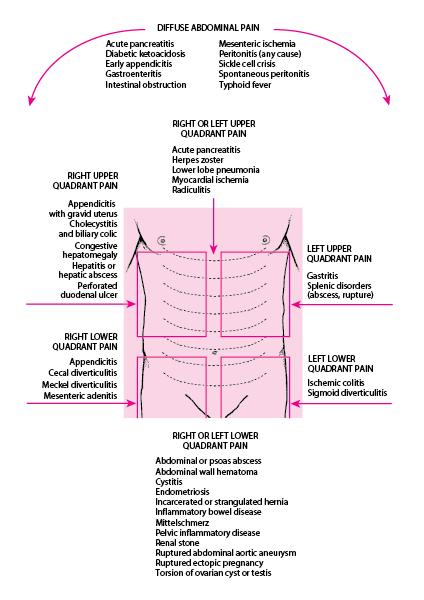
Over the next several hours, the discomfort commonly shifts downward into the Right Lower Quadrant (RLQ) of the abdomen. This stage produces what doctors call localized pain, meaning the inflammation has become concentrated enough for the body to identify a more exact location.
Once the pain reaches the RLQ, patients often notice that it becomes:
- Sharper and more intense
- Easier to identify with one finger
- Worse when walking or moving
- More painful during coughing or sneezing
- Constant rather than intermittent
Many patients instinctively bend forward, walk slowly, or avoid sudden movements because movement increases irritation inside the abdomen.
A well-known area associated with appendicitis tenderness is McBurney’s point. This point is located roughly one-third of the distance between the belly button and the right hip bone. Doctors often check this area during a physical examination because tenderness there can strongly suggest inflammation of the appendix.
As appendicitis progresses, nearby abdominal muscles may begin tightening automatically in response to pain. This protective muscle response is called abdominal guarding. Some patients also describe a feeling of pressure or pulling in the lower right abdomen when standing upright or attempting to stretch.
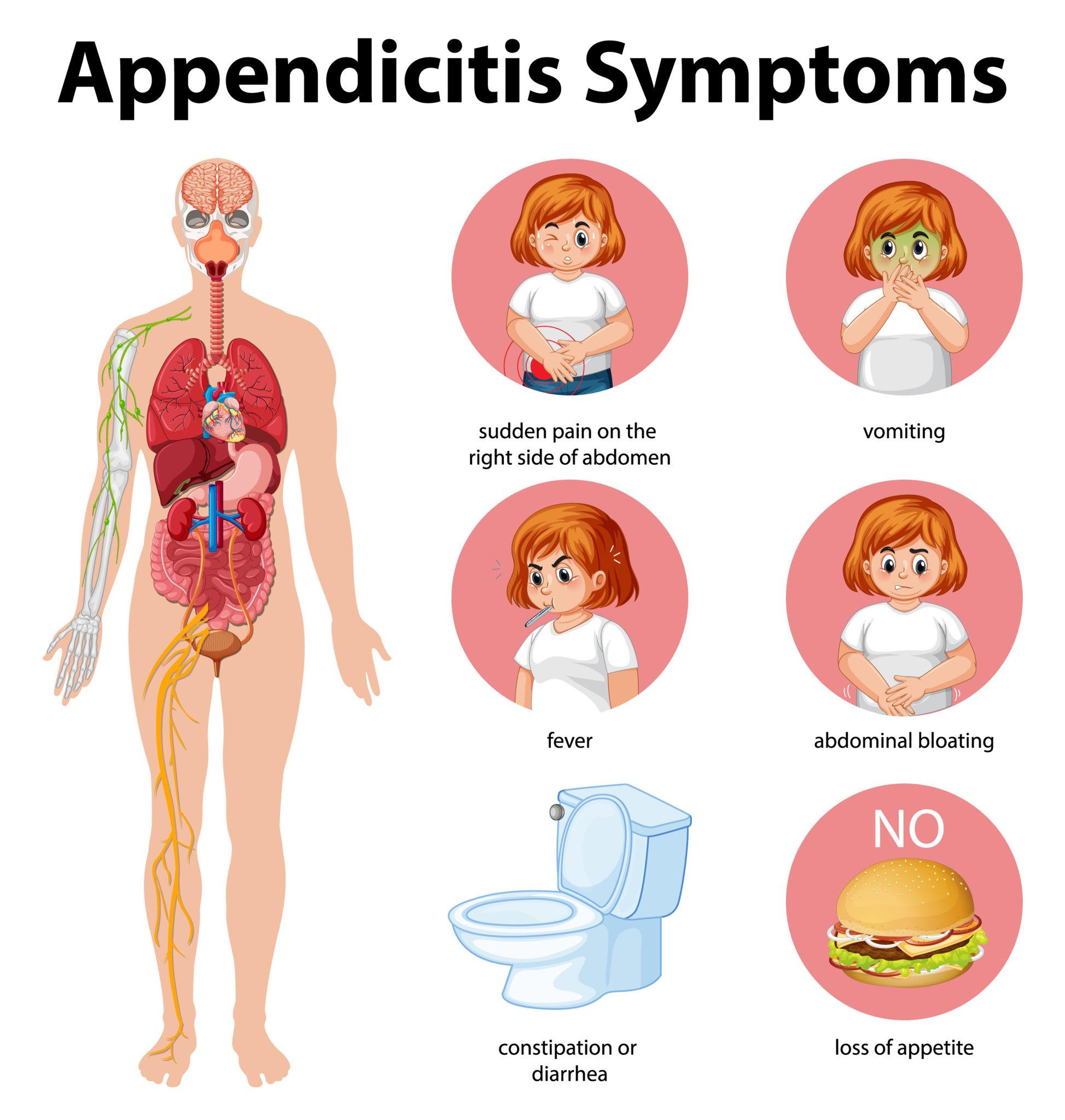
Common Features of Appendicitis Pain
While every patient experiences symptoms differently, several pain characteristics appear frequently in appendicitis cases:
- Pain usually begins near the belly button
- The discomfort gradually migrates to the lower right abdomen
- Symptoms tend to worsen steadily instead of improving
- Walking, coughing, or sudden movement often increases pain
- The abdomen may become tender to touch
- Some people experience difficulty standing fully upright due to discomfort
Unlike ordinary gas pain, appendicitis discomfort usually does not improve after passing gas, changing position, or using the bathroom. Instead, the pain often becomes progressively more severe over time, which is one reason doctors consider persistent worsening abdominal pain an important warning sign.
In some individuals, especially children, older adults, or pregnant patients, the pain pattern may appear less typical. The appendix can sometimes sit in slightly different positions inside the abdomen, causing discomfort in the pelvis, back, flank, or upper abdomen instead of the classic RLQ location. Even so, the gradual progression from vague discomfort to more focused pain remains an important clue in many appendicitis cases.
5 Early Warning Signs You Shouldn't Ignore
Appendicitis does not always begin with sudden, unbearable pain. In many cases, the earliest symptoms are subtle and can easily be mistaken for indigestion, food poisoning, constipation, or a common stomach virus. This is one reason why many people delay seeking medical attention during the early stages of the condition.
What makes appendicitis different from ordinary digestive discomfort is that symptoms often become progressively worse instead of gradually improving. The pain may intensify over several hours, spread to a more specific area of the abdomen, and begin interfering with normal movement, eating, or sleep.
Recognizing these early warning signs may help people understand when abdominal pain deserves closer medical evaluation.
Sudden Sharp Pain (The “Cough” Test)
One of the most concerning early appendicitis symptoms is abdominal pain that becomes noticeably sharper with movement. In the beginning, the discomfort may feel dull or generalized, but as inflammation spreads, even small physical actions can trigger intense pain.
Many patients notice worsening discomfort when they:
- Cough
- Sneeze
- Laugh
- Walk quickly
- Climb stairs
- Change position suddenly
Some healthcare professionals informally refer to this reaction as the “cough test.” If coughing causes a sudden stabbing pain in the lower right abdomen, it may suggest irritation of the abdominal lining surrounding the inflamed appendix.
Unlike temporary stomach cramps that come and go, appendicitis pain usually becomes more constant and easier to pinpoint over time. Many people describe the sensation as “deeper” and more severe than ordinary gas pain.
As inflammation worsens, the body may also react by tightening nearby abdominal muscles automatically. This protective response, called abdominal guarding, can make the stomach feel tense or unusually sensitive to touch.

Loss of Appetite (Anorexia)
A sudden loss of appetite is one of the most commonly overlooked early signs of appendicitis. Some patients notice they no longer feel hungry several hours before severe abdominal pain develops.
This symptom may seem minor at first, especially because appetite changes can happen with stress, viral illness, or fatigue. However, in appendicitis, the loss of appetite often appears alongside gradually worsening abdominal discomfort and nausea.
People with appendicitis may experience:
- Feeling full quickly
- Disinterest in favorite foods
- Mild nausea after eating
- Discomfort that worsens during meals
Children may refuse snacks or meals entirely, while adults sometimes describe a general “sick feeling” that makes eating unappealing.
Although appetite loss alone does not confirm appendicitis, it becomes more medically significant when combined with RLQ pain, fever, or vomiting.
Low-Grade Fever & Chills
As the appendix becomes increasingly inflamed, the immune system may respond by raising body temperature slightly. This can produce a mild fever, particularly during the later stages of early appendicitis.
Symptoms may include:
- Feeling unusually warm
- Chills or shivering
- Mild sweating
- Fatigue or weakness
- Body aches
In many cases, the fever starts low-grade rather than extremely high. Some patients may only notice subtle temperature changes or general exhaustion.
A rising fever combined with worsening abdominal pain may indicate that inflammation is progressing. Higher fever, shaking chills, or severe weakness can sometimes suggest complications such as rupture or abdominal infection.
However, not every patient develops a noticeable fever early on. Older adults, young children, and people with weakened immune systems may present differently.
Nausea and Persistent Vomiting
Nausea is another common appendicitis symptom, but the timing of nausea can be important.
With appendicitis, abdominal pain often appears first, followed later by nausea or vomiting. This pattern differs from many viral stomach illnesses, where vomiting usually begins before abdominal pain develops.
Patients may initially feel:
- Mild queasiness
- Stomach discomfort after eating
- Increased nausea during movement
- Difficulty tolerating food or fluids
As inflammation worsens, vomiting may become more persistent.
Repeated vomiting combined with worsening lower abdominal pain should not be ignored, especially if symptoms continue for several hours without improvement.
Persistent vomiting can also increase the risk of dehydration, weakness, and dizziness, particularly in children and older adults.
Digestive Changes: Constipation vs. Diarrhea
Appendicitis can sometimes affect normal bowel function because inflammation near the intestines may disrupt digestion and intestinal movement.
Some patients experience:
- Constipation
- Difficulty passing gas
- Mild diarrhea
- Abdominal bloating
- A sensation of fullness or pressure
This overlap with common digestive issues is one reason appendicitis is sometimes mistaken for food poisoning or gastrointestinal infection during the early stages.
However, there are several differences that may raise concern for appendicitis rather than ordinary digestive upset.
Gas pain usually:
- Moves around the abdomen
- Improves after passing gas
- Comes and goes in waves
- Feels crampy rather than sharply localized
Appendicitis discomfort is more likely to:
- Stay focused in one area
- Become progressively worse
- Increase with movement or coughing
- Cause tenderness in the Right Lower Quadrant (RLQ)
Some people also notice that bloating becomes accompanied by increasing abdominal firmness or muscle tightness, which can indicate irritation of the abdominal lining.
Because digestive symptoms alone are extremely common, doctors usually evaluate the entire symptom pattern rather than relying on one sign by itself. Persistent RLQ pain combined with fever, appetite loss, nausea, or vomiting deserves medical attention, especially when symptoms continue worsening over time.
Conclusion
Recognizing appendicitis symptoms early can play an important role in reducing the risk of serious complications such as rupture, abdominal infection, and widespread inflammation inside the abdomen. Although appendicitis is considered one of the most common surgical emergencies, its symptoms do not always appear in a textbook pattern. In many cases, the condition begins gradually with vague abdominal discomfort, mild nausea, or loss of appetite before progressing into more severe and localized pain.
One reason appendicitis can be difficult to identify is because the early symptoms often resemble common digestive problems such as gas pain, constipation, food poisoning, stomach flu, or indigestion. However, unlike temporary stomach discomfort that improves with rest or bowel movements, appendicitis pain usually becomes progressively worse over time. The pain often shifts from the area around the belly button toward the lower right abdomen and may become sharper during movement, coughing, or walking.
Understanding the typical appendicitis pain location, the migration of pain toward the Right Lower Quadrant (RLQ), and other early warning signs — including fever, nausea, vomiting, abdominal guarding, and appetite loss — may help people recognize when medical evaluation is necessary. Awareness is especially important because symptoms can appear differently in children, pregnant individuals, and older adults, where diagnosis may be delayed due to less obvious or atypical presentations.
It is also important to understand the warning signs of a ruptured appendix. A temporary decrease in pain does not always mean the condition has improved. In some situations, rupture may briefly relieve internal pressure before symptoms rapidly worsen as infection spreads throughout the abdominal cavity. High fever, severe weakness, widespread abdominal pain, confusion, and a rigid abdomen are all potentially dangerous symptoms that require urgent medical attention.
Because appendicitis cannot be reliably diagnosed at home, healthcare professionals often use physical examinations, blood tests, and imaging studies such as ultrasound or CT scans to confirm the condition and rule out other possible causes of abdominal pain. Prompt treatment — whether through antibiotics, monitoring, or appendectomy surgery — can significantly reduce the likelihood of complications.
While not every stomach ache is a medical emergency, persistent or worsening abdominal pain should never be ignored, especially when accompanied by fever, vomiting, or localized tenderness in the lower right abdomen. Seeking timely medical care may help prevent more serious outcomes and improve recovery if appendicitis is ultimately diagnosed.