Appendicitis: Symptoms, Treatment & Recovery Guide
Medically Reviewed By: Dr. Sarah Mitchell
Professional Profile: Dr. Sarah Mitchell LinkedIn
Appendicitis is one of the most common emergency conditions affecting the digestive system, yet many people do not recognize the symptoms until the pain becomes severe. In the early stages, appendicitis can feel surprisingly similar to everyday stomach discomfort, indigestion, food poisoning, or gas pain. What may begin as a vague ache near the belly button can gradually develop into sharp abdominal pain that becomes difficult to ignore. Because the symptoms often start subtly, many patients delay seeking medical attention, hoping the discomfort will pass on its own.
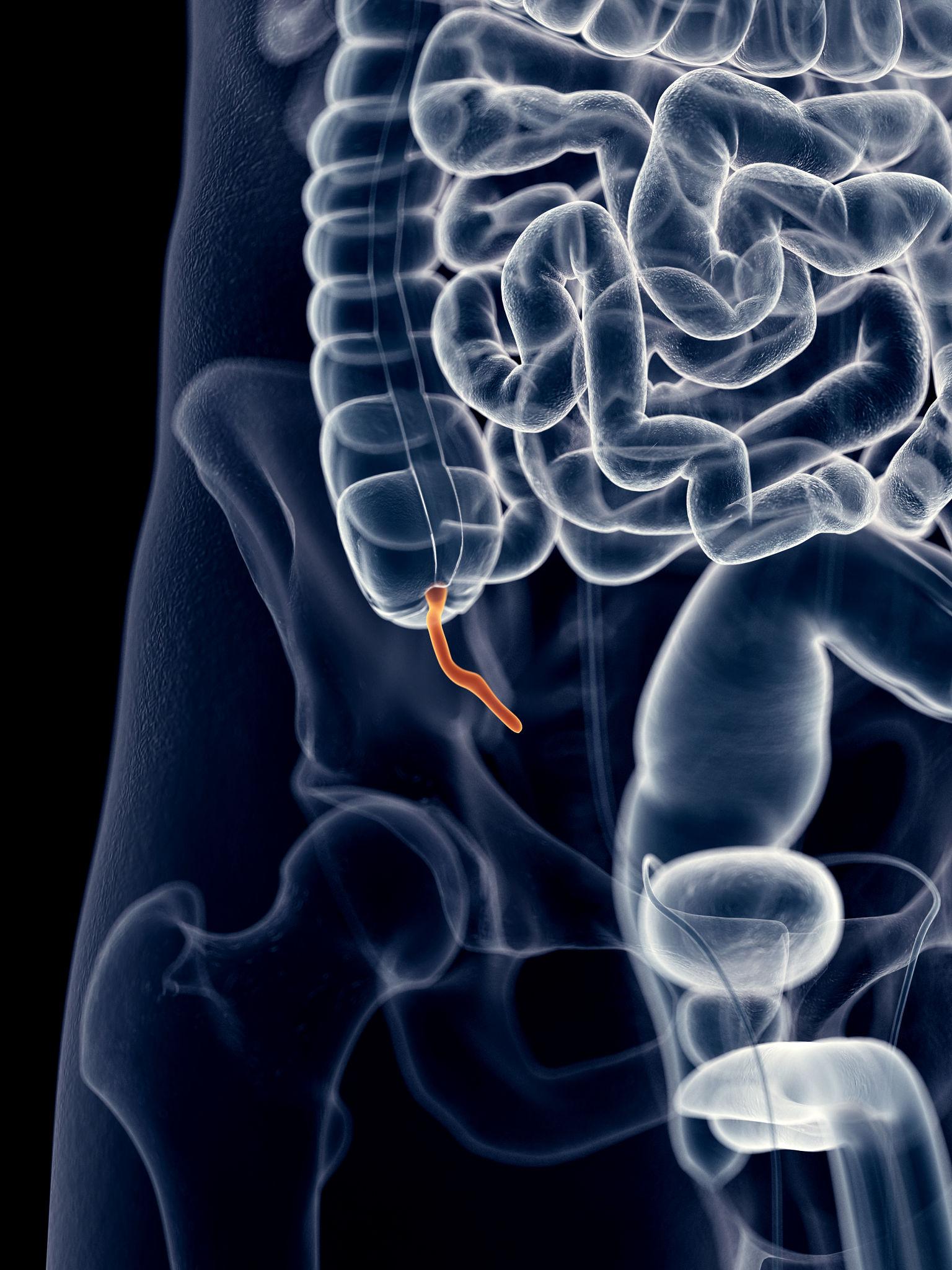
The condition occurs when the appendix, a small pouch attached to the large intestine, becomes inflamed or blocked. As pressure builds inside the appendix, bacteria can multiply rapidly, increasing the risk of infection and swelling. Without timely treatment, the appendix may rupture, spreading infection into the abdominal cavity and potentially leading to serious complications such as peritonitis or bloodstream infection. This is why appendicitis is considered a medical emergency in many cases.
One of the challenges with appendicitis is that symptoms do not always appear the same for everyone. Adults, children, older adults, and pregnant individuals may experience different warning signs, which can sometimes make diagnosis more complicated. Some people develop the “classic” symptom pattern of pain moving from the navel to the lower right abdomen, while others may experience nausea, fever, bloating, loss of appetite, or unusual fatigue before the pain becomes intense.
Understanding the early warning signs of appendicitis can make a major difference in treatment outcomes, recovery time, and the likelihood of complications. Prompt medical evaluation often allows doctors to treat the condition before rupture occurs, leading to shorter hospital stays and smoother recovery after surgery. Modern treatment options, including minimally invasive laparoscopic appendectomy, have also improved healing time and reduced visible scarring for many patients.
In this comprehensive guide, you’ll learn how appendicitis develops, the symptoms you should never ignore, when abdominal pain becomes an emergency, and what to expect during diagnosis and treatment. You’ll also discover a practical 30-day appendectomy recovery roadmap, including wound care, nutrition tips, scar management, activity restrictions, and emotional recovery after emergency surgery.

One of the most recognizable appendicitis symptoms is a specific pattern of abdominal pain that changes location over time. In many cases, the discomfort begins as a vague or dull ache near the belly button before gradually moving toward the lower right side of the abdomen. This process is often referred to as “pain migration,” and it is considered one of the classic warning signs of appendicitis.
During the earliest stage of inflammation, the appendix irritates nerves connected to the intestines, which is why the pain may feel generalized or difficult to pinpoint at first. Many people initially assume they are dealing with indigestion, food poisoning, constipation, or gas pain. As the inflammation becomes more severe and begins irritating the abdominal wall, the pain usually becomes sharper, more localized, and noticeably more intense in the lower right abdomen near McBurney’s point.
Unlike ordinary stomach discomfort that may improve after rest or passing gas, appendicitis pain often continues to worsen over several hours. Movements that stretch or tighten the abdominal muscles — such as coughing, sneezing, walking, or even riding in a car over bumps — can make the pain feel significantly worse.
Some patients describe the sensation as a steady stabbing pain, while others report pressure, cramping, or aching that becomes increasingly difficult to ignore. Although the “classic” pain pattern is common, not every patient experiences symptoms in exactly the same way. This variation is one reason appendicitis can sometimes be difficult to recognize during the early stages.
Common appendicitis symptoms may include:
- Dull pain that starts near the navel
- Sharp pain in the lower right abdomen
- Loss of appetite
- Nausea or vomiting
- Low-grade fever
- Bloating or increased gas
- Constipation or diarrhea in some cases
- Pain that worsens with movement, coughing, or deep breathing
- Fatigue or a general feeling of illness
As inflammation progresses, the abdomen may also become tender to the touch. Some patients instinctively avoid standing fully upright or walking normally because movement increases discomfort.
Early Warning Signs in Adults, Children, and During Pregnancy
Although appendicitis is often associated with the classic lower right abdominal pain pattern, symptoms can vary depending on age, pregnancy status, and overall health. Understanding these differences is important because atypical symptoms may delay diagnosis and treatment.
Adults commonly experience the traditional symptom progression of pain moving from the belly button to the lower right side. They may also develop nausea, low-grade fever, reduced appetite, and worsening abdominal tenderness within 24 to 48 hours.
Children, however, may have more difficulty explaining what they are feeling. Younger children often describe generalized stomach pain rather than pinpointing a specific location. Parents may instead notice behavioral changes such as unusual tiredness, irritability, refusal to eat, or reluctance to walk because movement increases pain. In some cases, appendicitis in children can progress rapidly, which is why persistent abdominal pain should never be ignored.
Teenagers and young adults may also dismiss appendicitis symptoms at first, assuming they are experiencing a stomach virus or food-related illness. Unfortunately, delaying evaluation can increase the risk of rupture.
Pregnancy can make appendicitis more difficult to identify because the growing uterus gradually shifts the appendix upward within the abdomen. As a result, pregnant patients may experience pain higher on the right side rather than in the lower abdomen. Nausea and digestive discomfort are also common during pregnancy, which can further complicate recognition of appendicitis symptoms.
Older adults sometimes experience less dramatic symptoms even when inflammation is severe. Fever may be mild or absent, and abdominal pain may feel less intense than expected. Because symptoms can appear subtle, diagnosis is occasionally delayed in older patients, increasing the likelihood of complications such as ruptured appendix or infection spreading into the abdominal cavity.
[Interactive Checklist] Is It Appendicitis or Just Gas?
One of the biggest reasons appendicitis is missed during the early stages is because the symptoms can resemble ordinary digestive discomfort. Gas pain, bloating, constipation, and mild stomach cramps are extremely common, making it understandable that many people initially try to wait the symptoms out.
However, there are several important differences between temporary digestive discomfort and possible appendicitis.
Gas pain often comes and goes in waves and may improve after passing gas, using the bathroom, stretching, or changing positions. Appendicitis pain, on the other hand, tends to become more constant and gradually more severe over time. Rather than improving with rest or over-the-counter medications, the pain usually continues to intensify.
Possible signs pointing more strongly toward appendicitis include:
- Pain that steadily worsens over several hours
- Pain that shifts from the navel to the lower right abdomen
- Fever accompanying abdominal pain
- Nausea combined with loss of appetite
- Tenderness specifically on the lower right side
- Pain that becomes worse when walking, coughing, or changing position
- Difficulty standing upright due to discomfort
- Vomiting that follows abdominal pain rather than preceding it
It is also important to pay attention to timing. Gas pain typically improves relatively quickly, while appendicitis symptoms often continue progressing. If abdominal pain becomes severe, persistent, or associated with fever or vomiting, medical evaluation is strongly recommended.
Because many digestive conditions share similar symptoms — including food poisoning, kidney stones, ovarian cysts, urinary tract infections, and gastrointestinal viruses — only a qualified healthcare professional can confirm whether appendicitis is present.
When to Seek Emergency Care
Appendicitis should never be considered “just a stomach ache” when symptoms are worsening or accompanied by fever and vomiting. Delaying care may increase the risk of serious complications, including rupture of the appendix and widespread abdominal infection.
In many cases, prompt treatment before rupture leads to shorter recovery times, less invasive surgery, and fewer complications overall.
Red Flags: Fever, Vomiting, and Rebound Tenderness
Certain symptoms may indicate that appendicitis is becoming more severe and requires urgent medical attention.
Emergency warning signs may include:
- Severe or rapidly worsening abdominal pain
- Persistent nausea or vomiting
- Fever and chills
- Swelling or firmness of the abdomen
- Difficulty walking or standing upright
- Shortness of breath due to severe pain
- Rebound tenderness, where pain becomes sharper after pressure is released from the abdomen
Rebound tenderness is considered an important clinical sign because it may indicate irritation of the peritoneum, the lining surrounding abdominal organs. Doctors sometimes check for this during physical examination by gently pressing on the abdomen and quickly releasing pressure.
Patients experiencing worsening pain combined with fever, vomiting, or faintness should seek emergency medical care rather than attempting self-treatment at home.
Why Time Is Critical: The Risk of Rupture and Peritonitis
One of the greatest dangers associated with appendicitis is rupture of the appendix. As swelling and pressure increase inside the organ, blood flow may become restricted, weakening the appendix wall. Eventually, the appendix can tear or burst, allowing bacteria and infected material to spill into the abdominal cavity.
A ruptured appendix can lead to peritonitis, a serious infection involving the lining of the abdomen. Peritonitis is considered a medical emergency because the infection may spread rapidly and affect multiple organs if not treated promptly.
Symptoms of peritonitis may include:
- Severe widespread abdominal pain
- A rigid or extremely tender abdomen
- High fever
- Rapid heart rate
- Weakness or dizziness
- Confusion, especially in older adults
- Difficulty breathing
- Signs of bloodstream infection or sepsis
In some cases, patients briefly feel temporary pain relief immediately after rupture because pressure inside the appendix decreases. However, this improvement is usually short-lived and is often followed by worsening illness as infection spreads throughout the abdomen.
This is why doctors strongly encourage emergency evaluation whenever appendicitis is suspected. Early treatment can significantly reduce the risk of complications, shorten hospital stays, and improve overall recovery outcomes.

The 30-Day Recovery Roadmap
Recovering from appendicitis surgery is a gradual process that involves both physical healing and emotional adjustment. While many patients begin feeling better within a few days, the body continues repairing internal tissues for several weeks after surgery. Understanding what to expect during each recovery phase can help reduce anxiety, prevent complications, and support a smoother return to normal activities.
Recovery time varies depending on several factors, including whether the appendix ruptured, the type of surgery performed, overall health status, and whether complications such as infection developed before treatment. Patients who undergo laparoscopic appendectomy often recover faster than those who require open surgery for a ruptured appendix or widespread infection.
Although every recovery journey is different, most patients experience healing in stages over the first month after surgery.
Phase 1: The First 48 Hours Post-Surgery (Pain & Wound Care)
The first two days after appendectomy are usually focused on pain management, wound care, hydration, and allowing the body to recover from surgery and general anesthesia. During this period, many patients feel tired, sore, or emotionally drained after the stress of emergency treatment.
Common symptoms during the first 48 hours may include:
Mild to moderate abdominal soreness
Fatigue and low energy
Shoulder pain caused by laparoscopic gas inflation
Temporary bloating or abdominal pressure
Nausea related to anesthesia or pain medication
Constipation or post-operative ileus, where bowel movement temporarily slows down
Shoulder discomfort is especially common after laparoscopic surgery because carbon dioxide gas is used to inflate the abdomen during the procedure. Although uncomfortable, this symptom typically improves within a few days as the body absorbs the gas naturally.
Doctors often encourage short, gentle walks soon after surgery because light movement can help improve circulation, reduce the risk of blood clots, stimulate bowel activity, and decrease stiffness. However, patients are usually advised to avoid sudden twisting movements, heavy lifting, or strenuous activity during this early phase.
Pain medication may be prescribed to help control discomfort, but hydration is equally important. Drinking enough fluids can help prevent constipation, particularly when opioid medications are used.
Surgical incisions should generally be kept clean and dry according to the surgeon’s instructions. Patients are commonly advised to monitor for signs of infection, including:
Increasing redness around the incision
Swelling or warmth
Pus or unusual drainage
Fever that worsens instead of improving
Severe or increasing pain
Some bruising and mild tenderness are usually normal during the first few days. However, rapidly worsening symptoms should always be reported to a healthcare provider.
Emotionally, many patients feel exhausted after emergency surgery. It is completely normal to feel anxious, overwhelmed, or frustrated during the early recovery period, especially if hospitalization happened unexpectedly.
Phase 2: Days 3–7 (Managing Scars and Transitioning Diets)
By the third or fourth day, many patients begin noticing gradual improvement in pain levels and mobility. Simple daily activities such as walking around the house, preparing light meals, or sitting comfortably often become easier during this stage.
Even though external healing may appear to progress quickly, the body is still recovering internally. Rest remains important throughout the first week.
Diet progression usually occurs slowly to avoid digestive discomfort. Many patients tolerate small, soft meals better than large or heavy foods immediately after surgery.
Common foods during this stage may include:
Broth-based soups
Applesauce
Plain toast
Rice or oatmeal
Bananas
Scrambled eggs
Yogurt
Soft cooked vegetables
Mashed potatoes
Crackers or plain pasta
Because digestion may still be sensitive, greasy, spicy, or highly processed foods can sometimes cause bloating or nausea during early recovery.
Hydration continues to play an important role in healing. Water, electrolyte drinks, and herbal teas may help reduce constipation and support energy levels.
Walking is generally encouraged because gentle movement can promote circulation and reduce stiffness. However, strenuous workouts, abdominal exercises, and lifting heavy objects are still usually restricted during the first week.
Patients who had a ruptured appendix may experience slower recovery because the body also needs time to heal from infection and inflammation within the abdominal cavity. These patients may require antibiotics, longer hospital stays, or additional follow-up appointments.
Scar care often begins during this phase as well. Once incisions begin closing properly, surgeons may discuss when patients can safely start using scar management products such as silicone gels or silicone sheets.
Broth-based soups
Applesauce
Plain toast
Rice or oatmeal
Bananas
Scrambled eggs
Yogurt
Soft cooked vegetables
Mashed potatoes
Crackers or plain pasta
Phase 3: Weeks 2–4 (Returning to Exercise and Heavy Lifting)
During the second through fourth weeks, most patients begin feeling significantly stronger. Energy levels gradually improve, appetite often returns to normal, and abdominal soreness becomes less noticeable during daily activities.
For patients who underwent uncomplicated laparoscopic surgery, returning to office work or school may be possible within one to three weeks, depending on comfort levels and medical guidance. However, recovery timelines can vary widely.
Even if pain has improved considerably, internal tissues are still healing beneath the surface. Overexertion too early may increase the risk of complications such as hernias, delayed healing, or increased pain.
During this stage, doctors often recommend:
Continuing light walking
Gradually increasing daily movement
Avoiding lifting heavy grocery bags, furniture, or children
Delaying intense gym workouts or contact sports until medically cleared
Listening carefully to signs of fatigue or discomfort
Patients recovering from open appendectomy or ruptured appendix surgery may need additional healing time before returning to physically demanding work or exercise routines.
Some individuals also notice temporary digestive changes during recovery, including bloating, constipation, or mild appetite fluctuations. These symptoms often improve gradually as the digestive system adjusts after surgery.
Follow-up appointments are typically scheduled during this period to ensure incisions are healing properly and complications are not developing.
For patients who underwent uncomplicated laparoscopic surgery, returning to office work or school may be possible within one to three weeks, depending on comfort levels and medical guidance. However, recovery timelines can vary widely.
Even if pain has improved considerably, internal tissues are still healing beneath the surface. Overexertion too early may increase the risk of complications such as hernias, delayed healing, or increased pain.
During this stage, doctors often recommend:
Continuing light walking
Gradually increasing daily movement
Avoiding lifting heavy grocery bags, furniture, or children
Delaying intense gym workouts or contact sports until medically cleared
Listening carefully to signs of fatigue or discomfort
Patients recovering from open appendectomy or ruptured appendix surgery may need additional healing time before returning to physically demanding work or exercise routines.
Some individuals also notice temporary digestive changes during recovery, including bloating, constipation, or mild appetite fluctuations. These symptoms often improve gradually as the digestive system adjusts after surgery.
Follow-up appointments are typically scheduled during this period to ensure incisions are healing properly and complications are not developing.
Post-Op Nutrition: A Sample 7-Day “Soft Food” Meal Plan
Nutrition plays an important role in appendectomy recovery because the body requires adequate protein, hydration, vitamins, and fiber to support tissue repair and restore energy levels.
A gentle, easy-to-digest diet may help reduce nausea, bloating, and abdominal discomfort during the first week after surgery.
Nutrition plays an important role in appendectomy recovery because the body requires adequate protein, hydration, vitamins, and fiber to support tissue repair and restore energy levels.
A gentle, easy-to-digest diet may help reduce nausea, bloating, and abdominal discomfort during the first week after surgery.
Day 1
Clear broth
Gelatin
Herbal tea
Electrolyte drinks
Plain crackers
Clear broth
Gelatin
Herbal tea
Electrolyte drinks
Plain crackers
Day 2
Oatmeal
Mashed potatoes
Applesauce
Bananas
Toast
Oatmeal
Mashed potatoes
Applesauce
Bananas
Toast
Day 3
Scrambled eggs
Rice
Soft chicken soup
Yogurt
Cooked carrots
Scrambled eggs
Rice
Soft chicken soup
Yogurt
Cooked carrots
Day 4
Steamed vegetables
Soft pasta
Cottage cheese
Toast with peanut butter
Smooth soups
Steamed vegetables
Soft pasta
Cottage cheese
Toast with peanut butter
Smooth soups
Day 5
Baked fish
Sweet potatoes
Soft fruits
Brown rice
Oatmeal with berries
Baked fish
Sweet potatoes
Soft fruits
Brown rice
Oatmeal with berries
Day 6
Lean turkey or chicken
Soft cooked vegetables
Applesauce
Whole grain toast
Low-fat yogurt
Lean turkey or chicken
Soft cooked vegetables
Applesauce
Whole grain toast
Low-fat yogurt
Day 7
Gradual return to balanced meals with lean protein, healthy fats, fruits, vegetables, and high-fiber foods
As appetite improves, patients are usually encouraged to slowly return to a balanced diet that supports long-term digestive health. Fiber-rich foods may help reduce constipation, especially after pain medication use.
Gradual return to balanced meals with lean protein, healthy fats, fruits, vegetables, and high-fiber foods
As appetite improves, patients are usually encouraged to slowly return to a balanced diet that supports long-term digestive health. Fiber-rich foods may help reduce constipation, especially after pain medication use.
Expert Tips for Scar Management & Mental Health
Healing after appendicitis is not only physical. Many patients also experience emotional stress related to emergency hospitalization, surgery, or fear of complications. Addressing both physical recovery and mental well-being can improve the overall healing experience.
Minimizing Post-Surgical Scars: Silicone Gels and Sun Protection
Most appendectomy scars gradually fade over time, particularly after laparoscopic surgery where the incisions are relatively small. However, scar healing can vary depending on skin type, genetics, infection risk, and how well the incision is protected during recovery.
Many surgeons recommend several strategies to help scars heal more smoothly:
Silicone scar gels or silicone sheets
Protecting scars from direct sunlight
Wearing sunscreen over healed incisions
Avoiding aggressive stretching during early healing
Keeping incisions moisturized after they fully close
Avoiding smoking, which may slow wound healing
Sun exposure is especially important because healing scars can darken permanently when exposed to ultraviolet light during the early recovery months.
Patients should always check with their healthcare provider before applying creams, oils, or scar products to surgical wounds.
Although scars may initially appear red, raised, or firm, many gradually soften and fade significantly over several months.
Managing Post-Emergency Anxiety: You’re Not Alone
Experiencing appendicitis and emergency surgery can feel emotionally overwhelming, particularly for children, teenagers, or adults who have never been hospitalized before. Even after successful treatment, some patients continue worrying about pain, recovery progress, or the possibility of future health problems.
It is common to experience temporary anxiety after a medical emergency, including:
Fear of pain returning
Nervousness about physical activity
Difficulty sleeping after hospitalization
Worry about scars or body image
Stress related to missed work or school
Emotional exhaustion after emergency treatment
For some patients, simply understanding the recovery process can provide reassurance and reduce fear of the unknown.
Helpful coping strategies may include:
Following a structured recovery routine
Attending all follow-up appointments
Asking doctors questions about healing expectations
Gradually resuming normal routines
Staying connected with supportive friends or family
Speaking with a counselor if anxiety becomes overwhelming
Recovery is not always perfectly linear. Some days may feel easier than others, and temporary fatigue is common during healing. Allowing the body adequate time to recover physically and emotionally is an important part of the process.
FAQ
Can appendicitis go away on its own?
Appendicitis should always be medically evaluated because symptoms can worsen unpredictably. Although some people may temporarily feel better, untreated inflammation can still progress and increase the risk of rupture, infection, or complications involving the abdominal cavity. Seeking medical attention early often improves treatment outcomes and may reduce recovery time.
What side is appendicitis pain on?
Appendicitis pain most commonly develops on the lower right side of the abdomen. However, the pain often begins near the belly button before gradually moving downward and becoming more localized. In pregnant patients or individuals with unusual appendix positioning, pain may sometimes occur higher in the abdomen.
When can I shower after an appendectomy?
Many patients can shower within 24 to 48 hours after surgery, depending on the type of incision, dressing, and surgeon instructions. Waterproof surgical coverings may allow earlier showering in some cases. Patients are usually advised to avoid soaking in bathtubs, swimming pools, or hot tubs until the incisions are fully healed.
How much does an appendectomy cost?
The cost of appendectomy surgery in the United States varies significantly depending on hospital location, insurance coverage, surgical technique, and whether complications such as ruptured appendix or infection are present. Emergency surgery, hospital admission, imaging tests, anesthesia, and follow-up care can all affect the total cost. Expenses may range from several thousand dollars to substantially more in complicated cases.
Conclusion
Appendicitis is one of the most common surgical emergencies, but recognizing the symptoms early can make a major difference in recovery and overall outcomes. What begins
as mild abdominal pain near the belly button can quickly progress into severe inflammation, infection, or even ruptured appendix if treatment is delayed.
Understanding the classic warning signs — especially abdominal pain that migrates toward the lower right side, fever, nausea, and worsening tenderness — may help patients seek medical evaluation before complications develop. Early diagnosis often allows for less invasive treatment, shorter hospital stays, and smoother recovery experiences.
Modern advances in imaging, minimally invasive laparoscopic surgery, anesthesia, and post-operative care have improved appendectomy recovery for many patients. Most individuals gradually return to normal activities within several weeks, although healing timelines vary depending on the severity of inflammation and the type of surgery performed.
Recovery after appendicitis involves more than simply waiting for pain to disappear. Proper wound care, balanced nutrition, hydration, gradual movement, and emotional support all play important roles in healing. Patients recovering from emergency surgery should remember that temporary fatigue, anxiety, and lifestyle adjustments are common parts of the recovery journey.
Because appendicitis symptoms can overlap with many other digestive conditions, self-diagnosis is not always reliable. Anyone experiencing severe or worsening abdominal pain, especially when accompanied by fever, nausea, or vomiting, should seek prompt medical evaluation rather than attempting to manage symptoms at home.