Best Cooking Oil: Complete Guide to Healthy Oils
Choosing the right cooking oil can dramatically impact both your health and the flavor of your meals. With countless options lining grocery store shelves, from traditional olive oil to trendy avocado oil, many home cooks find themselves overwhelmed by conflicting information about which oils are truly best for their kitchen. This comprehensive guide will help you navigate the world of cooking oils by examining smoke points, nutritional profiles, and practical applications to ensure you make informed decisions that benefit both your health and your cooking results.
Understanding Cooking Oil Basics
What Makes a Cooking Oil “Best”
The “best” cooking oil isn’t a one-size-fits-all answer—it depends on several key factors that work together to determine an oil’s overall value for your kitchen. A superior cooking oil combines excellent health benefits with practical cooking performance, offering a balanced nutritional profile while remaining stable under various cooking conditions.
Health benefits and nutritional profile form the foundation of any quality cooking oil. The best oils are rich in beneficial fatty acids, particularly monounsaturated and omega-3 polyunsaturated fats, while being relatively low in saturated fats. These oils also contain important fat-soluble vitamins and antioxidants that support overall wellness.
Smoke point and cooking stability are equally crucial factors. The smoke point—the temperature at which an oil begins to break down and produce visible smoke—determines which cooking methods are appropriate for each oil. Oils with higher smoke points can withstand high-heat cooking methods like frying and searing without degrading or producing harmful compounds.
Flavor impact on dishes varies significantly among oils. While some oils like extra virgin olive oil add distinctive flavors that enhance certain dishes, others like refined canola oil provide neutral taste profiles that won’t interfere with your recipe’s intended flavors.
Key Factors to Consider When Choosing Cooking Oil
Understanding smoke points is essential for successful cooking. Low-heat cooking (under 320°F) includes gentle sautéing and salad preparations. Medium-heat cooking (320-450°F) covers most everyday cooking methods like regular sautéing, baking, and light frying. High-heat cooking (above 450°F) includes deep frying, searing, and high-temperature roasting.
Fatty acid composition directly impacts both health benefits and cooking performance. Saturated fats remain stable at high temperatures but should be consumed in moderation. Monounsaturated fats offer excellent health benefits and reasonable heat stability. Polyunsaturated fats provide essential fatty acids but can be less stable when heated.
Processing methods significantly affect oil quality and nutritional value. Cold-pressed and expeller-pressed oils retain more natural flavors and nutrients but may have lower smoke points. Refined oils undergo processing that removes impurities and extends shelf life while increasing smoke points, though some beneficial compounds may be lost in the process.
Best Cooking Oil: Complete Guide to Healthy Oils for Every Kitchen
This image was generated by AI (HaloHale) for illustrative purposes only and does not constitute medical advice or depict real medical data.
Top 10 Best Cooking Oils: Detailed Analysis
Extra Virgin Olive Oil
With a smoke point ranging from 320-375°F, extra virgin olive oil shines in low to medium-heat applications. This Mediterranean staple excels in salad dressings, light sautéing, and as a finishing oil drizzled over completed dishes to add richness and flavor.
The health benefits of extra virgin olive oil are well-documented and impressive. Rich in monounsaturated fats, particularly oleic acid, it supports cardiovascular health and may help reduce inflammation. The oil also contains powerful antioxidants, including vitamin E and polyphenols, which protect against cellular damage and support overall wellness.
When selecting extra virgin olive oil, look for bottles with harvest dates within the past year, preferably stored in dark glass to protect from light damage. Quality indicators include a robust, sometimes peppery flavor and golden to green coloration.
Avocado Oil
Avocado oil stands out with an exceptionally high smoke point of 520°F, making it ideal for high-heat cooking methods including frying, grilling, and searing. This versatility makes it a valuable addition to any kitchen, especially for cooks who frequently use high-temperature techniques.
From a nutritional standpoint, avocado oil delivers impressive benefits. It’s predominantly composed of monounsaturated fats, similar to olive oil, and contains significant amounts of vitamin E, which acts as a powerful antioxidant. The oil also supports the absorption of fat-soluble vitamins from other foods.
While avocado oil typically costs more than conventional cooking oils, its neutral flavor, high smoke point, and nutritional benefits often justify the investment for health-conscious cooks who want a single oil for multiple cooking applications.
Coconut Oil
Coconut oil presents unique characteristics with smoke points varying by processing method—unrefined coconut oil smokes at around 350°F, while refined versions can handle temperatures up to 400°F. This makes it suitable for baking and medium-heat sautéing, though it’s not ideal for high-heat applications.
The health benefits of coconut oil have been subject to considerable debate. Rich in medium-chain triglycerides (MCTs), particularly lauric acid, coconut oil may support metabolism and provide quick energy. Some studies suggest antimicrobial properties, though more research is needed to fully understand these potential benefits.
When choosing coconut oil, consider virgin (unrefined) coconut oil for baking and medium-heat cooking where you want coconut flavor, and refined coconut oil for applications where you prefer minimal taste impact.
Canola Oil
Canola oil serves as an excellent all-purpose cooking oil with a 400°F smoke point that accommodates most cooking methods. Its neutral flavor makes it particularly valuable for baking, where you don’t want the oil to interfere with other flavors in your recipe.
Nutritionally, canola oil offers a favorable profile with low saturated fat content and a good balance of monounsaturated and polyunsaturated fats, including some omega-3 fatty acids. This composition supports cardiovascular health when used as part of a balanced diet.
Some consumers express concerns about genetically modified canola crops. If this is important to you, look for organic or non-GMO certified canola oil options, though these may cost more than conventional varieties.
Grapeseed Oil
With a 420°F smoke point, grapeseed oil handles high-heat cooking well while also working beautifully in cold applications like salad dressings. This versatility, combined with its light, clean flavor, makes it a favorite among professional chefs.
Grapeseed oil provides high levels of vitamin E and polyunsaturated fats, including linoleic acid. However, it’s worth noting that it’s high in omega-6 fatty acids, so it should be balanced with omega-3 rich foods in your overall diet.
The oil’s light texture and neutral flavor make it particularly well-suited for delicate preparations where heavier oils might overwhelm subtle ingredients.
Sesame Oil
Sesame oil comes in two main varieties with different smoke points and applications. Light sesame oil can handle temperatures up to 410°F, while dark (toasted) sesame oil has a lower smoke point around 350°F and is better used as a finishing oil or in marinades.
Both varieties offer unique health benefits, including antioxidants like sesamin and sesamolin. These compounds may help support cardiovascular health and provide anti-inflammatory effects.
Dark sesame oil delivers an intense, nutty flavor that’s essential in many Asian dishes, while light sesame oil provides more subtle flavor enhancement suitable for a broader range of cuisines.
Sunflower Oil
Sunflower oil, with its 440°F smoke point, works well for frying, baking, and general cooking applications. Its neutral flavor and relatively affordable price point make it a practical choice for everyday cooking needs.
High in vitamin E, sunflower oil provides antioxidant benefits. However, pay attention to the type—high oleic sunflower oil offers better stability and a more favorable fatty acid profile compared to regular sunflower oil, which is higher in polyunsaturated fats.
The oil’s light texture and clean taste make it particularly suitable for baking applications where you want the other ingredients to shine.
Peanut Oil
Peanut oil’s high smoke point of 450°F makes it excellent for deep frying and stir-frying. Its ability to remain stable at high temperatures while imparting minimal flavor makes it a favorite for professional kitchens.
Rich in monounsaturated fats and with good heat stability, peanut oil supports the nutritional quality of fried foods better than many alternatives. It also contains resveratrol, the same antioxidant found in red wine.
Important consideration: Always inform guests about the use of peanut oil due to the prevalence and severity of peanut allergies. For households with peanut allergies, this oil should be avoided entirely.
Best Cooking Oil: Complete Guide to Healthy Oils for Every Kitchen
This image was generated by AI (HaloHale) for illustrative purposes only and does not constitute medical advice or depict real medical data.
Walnut Oil
Walnut oil’s relatively low smoke point of 320°F limits it to cold applications and very low-heat cooking, but its nutritional profile makes it worth including in your oil collection. It’s best used in salad dressings, finishing dishes, or drizzled over cooked vegetables.
This oil stands out for its omega-3 fatty acid content, providing alpha-linolenic acid (ALA) which supports heart and brain health. The distinctive nutty flavor pairs beautifully with salads, roasted vegetables, and grain dishes.
Walnut oil has a shorter shelf life than many other oils and should be stored in the refrigerator after opening to prevent rancidity.
Ghee (Clarified Butter)
Ghee offers an impressive 485°F smoke point, making it excellent for high-heat cooking while providing rich, buttery flavor. The clarification process removes milk solids, creating a shelf-stable product that doesn’t require refrigeration.
Nutritionally, ghee provides fat-soluble vitamins A, D, E, and K. The clarification process also removes lactose and casein, making it suitable for many people with dairy sensitivities.
Popular in Indian cuisine and increasingly used in other cooking styles, ghee adds distinctive flavor while providing the high-heat stability that regular butter lacks.
Best Oils for Specific Cooking Methods
High-Heat Cooking (450°F and Above)
For deep frying, choose oils with smoke points well above your cooking temperature to ensure stability and food safety. Avocado oil, peanut oil, and refined coconut oil excel in these applications, maintaining their integrity even during extended high-heat exposure.
Searing and grilling require oils that can withstand intense, direct heat without breaking down. Avocado oil and ghee perform exceptionally well for these techniques, providing stable cooking mediums that won’t produce harmful compounds or off-flavors.
Stir-frying demands oils that heat quickly and remain stable during the rapid, high-heat cooking process. Peanut oil, grapeseed oil, and avocado oil are ideal choices, offering both stability and neutral flavors that complement Asian cuisine preparation methods.
Medium-Heat Cooking (350-450°F)
Sautéing encompasses a wide range of cooking temperatures, making olive oil, canola oil, and coconut oil suitable choices depending on your flavor preferences and specific recipe requirements.
Baking applications benefit from neutral-flavored oils that won’t interfere with delicate flavors. Canola oil, coconut oil, and sunflower oil provide the necessary fats for texture and moisture without overwhelming other ingredients.
Roasting vegetables and proteins typically requires oils that can handle sustained medium-high heat while potentially contributing to browning and flavor development. Olive oil and avocado oil work particularly well for these applications.
Low-Heat and Cold Applications
Salad dressings showcase oils at their most pure, unheated state, allowing their natural flavors and nutritional benefits to shine. Extra virgin olive oil, walnut oil, and sesame oil each bring unique flavor profiles and health benefits to raw preparations.
Finishing oils are drizzled over completed dishes to add richness, flavor, and visual appeal. Extra virgin olive oil and toasted sesame oil are classic choices that can transform simple dishes into restaurant-quality presentations.
Marinades benefit from flavorful oils that can penetrate proteins and vegetables while carrying herbs and spices. Olive oil and sesame oil work particularly well for these flavor-building applications.
Oils to Avoid or Use Sparingly
Highly Processed Oils
Generic vegetable oil blends often contain lower-quality oils and lack the specific benefits of single-source oils. These products may use cheaper processing methods that reduce nutritional value while extending shelf life.
Corn oil concerns center around its high omega-6 content and potential for genetic modification. While not necessarily harmful in small amounts, corn oil doesn’t offer the same health benefits as other options and may contribute to inflammatory processes when consumed in large quantities.
Soybean oil issues include high processing requirements and unfavorable omega-6 to omega-3 ratios. Like corn oil, soybean oil is often genetically modified and heavily processed, reducing its nutritional value compared to less processed alternatives.
Best Cooking Oil: Complete Guide to Healthy Oils for Every Kitchen
This image was generated by AI (HaloHale) for illustrative purposes only and does not constitute medical advice or depict real medical data.
Trans Fat Containing Oils
Partially hydrogenated oils have been largely banned or restricted due to their trans fat content, but some products may still contain these harmful fats. Always read ingredient labels carefully and avoid any products listing “partially hydrogenated” oils.
The health risks associated with trans fats include increased risk of heart disease, inflammation, and other chronic health conditions. Regulations in many countries now require disclosure of trans fat content, making it easier for consumers to make informed choices.
Oils with Poor Omega-6 to Omega-3 Ratios
Safflower oil, while high in vitamin E, contains predominantly omega-6 fatty acids with virtually no omega-3s. This imbalance may contribute to inflammatory processes when these oils make up a significant portion of dietary fat intake.
Cottonseed oil faces similar concerns regarding fatty acid balance and may also contain residues from cotton production processes. This oil offers few advantages over better alternatives available in most markets.
The impact on inflammation from excessive omega-6 intake relative to omega-3s has been well documented in research, making balance an important consideration in oil selection.
Health Considerations and Nutritional Comparison
Heart Health
The best oils for cardiovascular health emphasize monounsaturated fats and omega-3 fatty acids while limiting saturated fat content. Extra virgin olive oil, avocado oil, and walnut oil lead this category with proven benefits for heart health.
Comparing saturated fat content across oils helps guide heart-healthy choices. While some saturated fat is acceptable in a balanced diet, choosing oils lower in these fats supports overall cardiovascular wellness.
Cholesterol impact varies among oils, with plant-based oils naturally cholesterol-free while potentially helping to manage cholesterol levels through their fatty acid profiles and antioxidant content.
Weight Management
All cooking oils contain approximately 120 calories per tablespoon, making portion control crucial regardless of which oil you choose. The key lies in using oils efficiently and choosing those that provide the most nutritional value.
Satiety and metabolic effects can vary slightly among different oils, with some research suggesting that certain fatty acid compositions may support feeling full longer or provide more efficient energy utilization.
Portion control recommendations suggest measuring oils rather than pouring freely, as it’s easy to use more than intended. Using spray bottles or measured spoons helps maintain appropriate serving sizes.
Anti-inflammatory Properties
Oils that reduce inflammation typically contain high levels of monounsaturated fats, omega-3 fatty acids, and antioxidants. Extra virgin olive oil and walnut oil stand out for their anti-inflammatory properties.
Maintaining proper omega-3 versus omega-6 balance supports the body’s natural anti-inflammatory processes. While both fatty acids are essential, the typical Western diet often provides excessive omega-6 relative to omega-3.
Antioxidant content varies significantly among oils, with less processed options generally retaining higher levels of beneficial compounds like vitamin E, polyphenols, and other protective substances.
Special Dietary Needs
Keto-friendly oils focus on high-fat content with minimal carbohydrates, making virtually all pure cooking oils suitable for ketogenic diets. Coconut oil and MCT oil derivatives are particularly popular in keto communities.
Vegan cooking oil options include all plant-based oils, though some vegans may avoid oils produced using animal-derived processing aids. Most common cooking oils meet vegan requirements.
Paleo-approved choices emphasize minimally processed oils that would have been available to ancestral diets. Olive oil, coconut oil, and avocado oil typically receive approval from paleo diet followers.
Practical Shopping and Storage Guide
How to Buy Quality Cooking Oil
Reading labels and certifications helps identify high-quality oils. Look for specific processing methods (cold-pressed, expeller-pressed), harvest or production dates, and third-party certifications for organic or quality standards.
Organic versus conventional oils represents a personal choice based on priorities and budget. Organic oils avoid synthetic pesticides and fertilizers but may cost significantly more without necessarily providing superior nutritional benefits.
Cold-pressed versus expeller-pressed oils differ in processing methods, with cold-pressed generally retaining more nutrients and flavor compounds, though often at higher prices and sometimes with lower smoke points.
Dark bottles and proper packaging protect oils from light damage that can cause rancidity. Avoid oils sold in clear containers that have been exposed to bright store lighting for extended periods.
Proper Storage Methods
Temperature and light considerations are crucial for maintaining oil quality. Store most oils in cool, dark places, though some delicate oils like walnut oil benefit from refrigeration.
Shelf life varies significantly among different oils, with refined oils generally lasting longer than unrefined versions. Most oils remain good for 6-24 months when stored properly, depending on the type and processing method.
Signs of rancidity include off odors, unusual flavors, or changes in color or consistency. Rancid oils should be discarded as they may contain harmful compounds and will negatively impact food flavor.
Refrigeration guidelines suggest that while most cooking oils don’t require refrigeration, storing them in cool environments extends shelf life. Some oils may become cloudy when chilled but return to normal appearance at room temperature.
Budget-Friendly Options
Best value oils for families often include canola oil, sunflower oil, and generic olive oil for everyday cooking needs. These provide good nutritional profiles and cooking performance at reasonable prices.
Knowing when to splurge versus save helps optimize your oil budget. Invest in high-quality extra virgin olive oil for finishing and cold applications while using more affordable options for high-heat cooking where premium oils offer fewer benefits.
Bulk buying considerations include storage capacity, usage rates, and shelf life. Large containers may offer better per-unit pricing but only make sense if you’ll use the oil before it deteriorates.
Common Cooking Oil Myths Debunked
“All Saturated Fats Are Bad”
Scientific evidence review shows that not all saturated fats have the same health impacts. Natural saturated fats from sources like coconut oil may have different effects compared to highly processed alternatives.
Natural versus processed saturated fats represents an important distinction. Saturated fats in their natural context, such as those in coconut oil or ghee, may be metabolized differently than those in heavily processed foods.
“Expensive Oils Are Always Better”
Price versus quality analysis reveals that cost doesn’t always correlate with nutritional value or cooking performance. Some expensive oils may offer unique flavors or minimal processing but may not justify their cost for everyday cooking.
Marketing versus nutritional value considerations help distinguish between genuine quality improvements and premium pricing based on branding or packaging rather than superior nutritional profiles.
“One Oil Fits All Cooking Needs”
Why variety matters becomes clear when considering the different requirements of various cooking methods. No single oil optimizes all applications from cold salads to high-heat frying.
Specialized uses for different oils allow you to optimize both flavor and nutritional benefits by choosing the most appropriate oil for each specific cooking technique and dish.
Expert Tips and Professional Recommendations
Chef Recommendations
Professional kitchen oil choices often focus on versatility, stability, and flavor neutrality for high-volume cooking, with specialty oils reserved for finishing and flavor enhancement.
Flavor pairing suggestions from culinary professionals can help you choose oils that complement specific cuisines or ingredients, enhancing rather than masking the intended flavors of your dishes.
Cooking technique optimization involves matching oil properties to cooking methods, ensuring optimal results while avoiding waste of premium oils in applications where they provide no advantage.
Nutritionist Advice
Daily oil intake recommendations typically suggest 2-3 tablespoons of added fats per day as part of a balanced diet, though individual needs vary based on overall caloric requirements and health status.
Balancing different oil types helps ensure optimal fatty acid intake while providing variety in flavors and nutritional benefits. Rotating between different oils supports overall dietary diversity.
Integration with healthy diet plans involves considering oils as part of overall nutritional goals rather than isolated components, ensuring they support rather than undermine broader health objectives.
Storage and Usage Hacks
Extending oil shelf life through proper storage techniques can significantly reduce waste and maintain quality. Simple steps like avoiding heat and light exposure make substantial differences.
Measuring and portion control techniques help maintain appropriate serving sizes while ensuring consistent cooking results. Kitchen scales and measuring spoons provide more accuracy than free-pouring.
Cleaning up oil spills and residue becomes easier with proper techniques and materials, preventing safety hazards while maintaining clean cooking environments.
Conclusion
Key Takeaways Summary
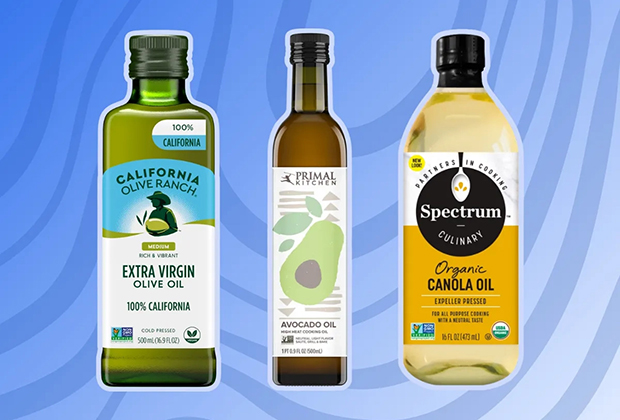
The top three all-purpose oils for most kitchens include extra virgin olive oil for low-heat and cold applications, avocado oil for high-heat cooking, and canola oil for baking and neutral-flavor needs. These three oils cover virtually all cooking requirements while providing excellent nutritional profiles.
Essential factors in oil selection include smoke point compatibility with intended cooking methods, favorable fatty acid composition, minimal processing when possible, and proper storage to maintain quality.
A health-first approach to cooking oil selection prioritizes nutritional benefits while ensuring practical cooking performance, recognizing that the best oil is one that supports both culinary success and overall wellness.
Final Recommendations
A beginner’s essential oil starter kit should include extra virgin olive oil, canola oil, and one high-heat option like avocado oil. This combination handles most cooking needs while providing good nutritional value and reasonable cost.
An advanced cook’s oil collection might expand to include specialty options like walnut oil for finishing, sesame oil for Asian cuisine, and ghee for high-heat applications, allowing for more nuanced flavor development and cooking technique optimization.
Budget-conscious choices can still provide excellent nutrition and cooking performance by focusing on versatile, high-quality options like olive oil and canola oil while avoiding expensive specialty oils that may not significantly improve everyday cooking results.
Call to Action
Take time to evaluate your current oil choices and consider whether they align with your cooking methods and health goals. Many home cooks find that upgrading just one or two oils significantly improves both cooking results and nutritional intake.
Starting with one or two high-quality options allows you to experience the benefits of better oils without overwhelming your budget or storage capacity. Focus on oils that match your most common cooking methods first.
Consider sharing your oil experiences or asking questions about specific cooking applications. The world of cooking oils offers numerous opportunities for experimentation and improvement in both flavor and health outcomes.