Gallbladder Attack Symptoms: What It Feels Like and When to Go to the ER
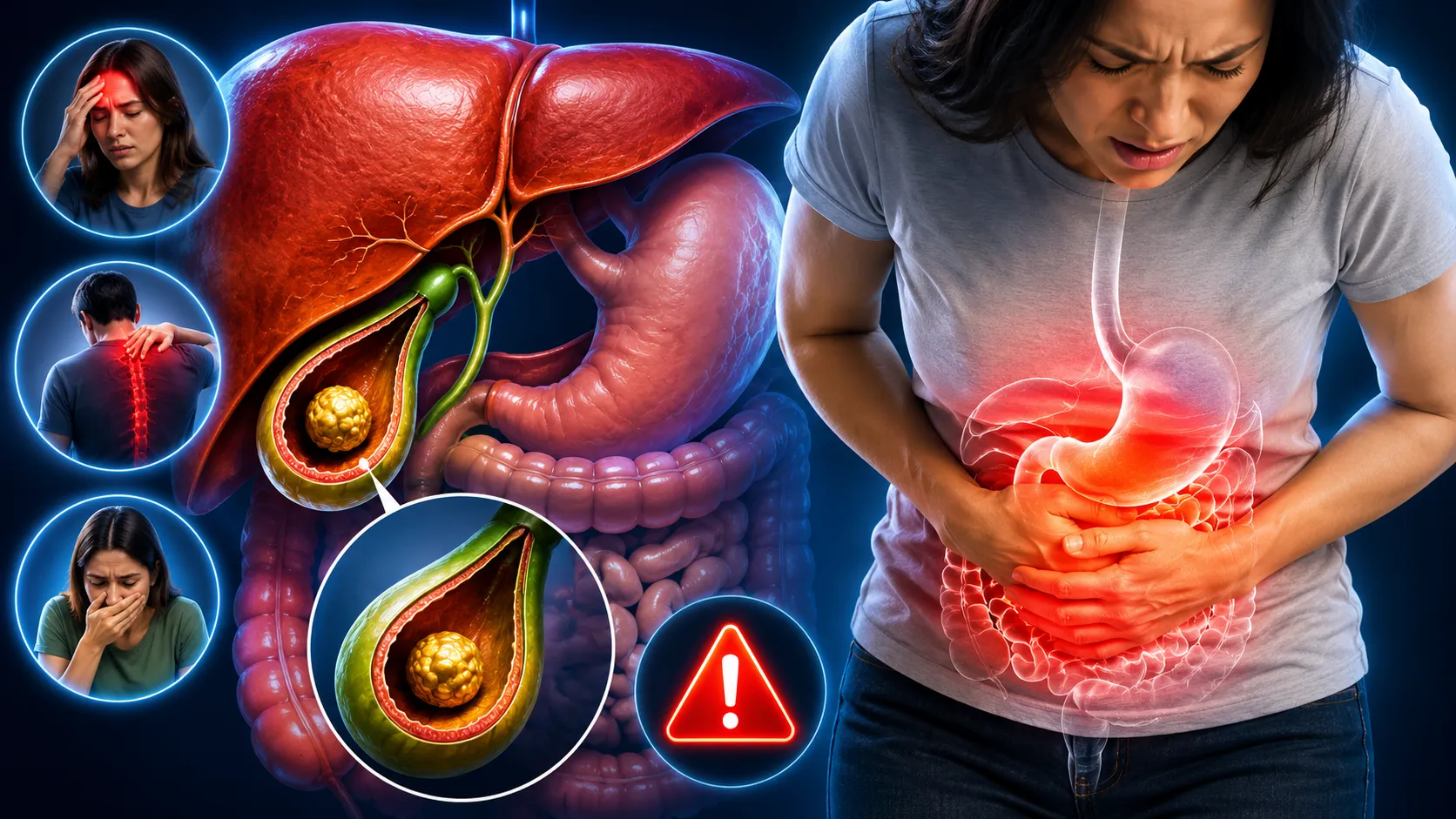
Understanding gallbladder attack symptoms matters because the condition can sometimes progress beyond temporary digestive pain into a true medical emergency. In certain cases, blocked bile flow may lead to infection, inflammation of the pancreas, or dangerous complications involving the liver and bile ducts.
The gallbladder is a small pouch located beneath the liver. Its primary role is to store bile, a digestive fluid that helps break down fats after meals. When gallstones block the normal flow of bile, pressure rapidly builds inside the gallbladder, triggering pain, nausea, and inflammation.
Some attacks improve within hours. Others worsen quickly and require emergency treatment.
This guide explains what a gallbladder attack feels like, why symptoms often happen at night, how to tell the difference between gallbladder pain and other dangerous conditions, and when it may be time to go to the emergency room. The structure and symptom hierarchy in this article are based on emergency-intent medical SEO recommendations from the uploaded outline.
Urgent Checklist: Is Your Gallbladder Pain a Medical Emergency?
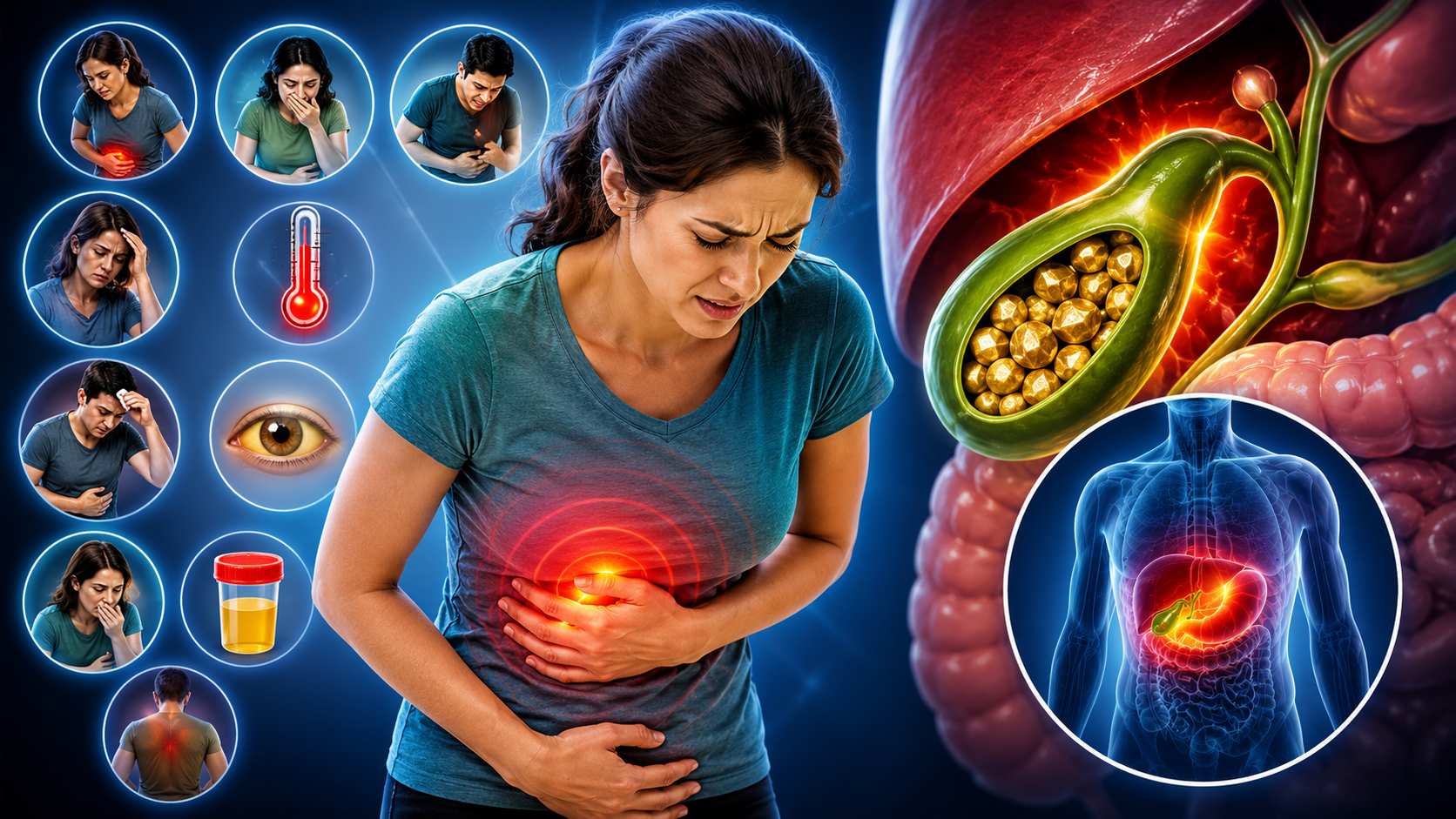
Some gallbladder attacks are mild and temporary. Others may signal serious complications that require immediate medical attention.
The 4 Red Flag Symptoms That Require Immediate ER Care
Seek emergency medical care immediately if you experience:
- Severe abdominal pain lasting longer than 5 hours
- Fever with shaking chills
- Yellowing of the eyes or skin (jaundice)
- Persistent vomiting that prevents fluid intake
These symptoms may indicate:
- Acute cholecystitis
- Ascending cholangitis
- Gallstone pancreatitis
- Complete bile duct obstruction
Infections involving the gallbladder or bile ducts can worsen quickly, especially in older adults or individuals with diabetes.
Why Gallbladder Emergencies Can Become Dangerous
The gallbladder connects directly to the liver, pancreas, and biliary tract.
When a gallstone becomes trapped:
- Pressure builds inside the gallbladder
- Bacteria may multiply inside stagnant bile
- Inflammation may spread into surrounding tissues
- Digestive enzymes may back up into the pancreas
If untreated, infection can eventually spread into the bloodstream.
Symptoms That Should Never Be Ignored
Although some attacks eventually improve, certain symptoms should always be treated seriously.
These include:
- Chest pressure
- Difficulty breathing
- Confusion
- Fainting
- Blue lips
- Severe dehydration
Because gallbladder pain can mimic other life-threatening conditions, self-diagnosis may be dangerous.
The Classic Symptoms of a Gallbladder Attack (Biliary Colic)
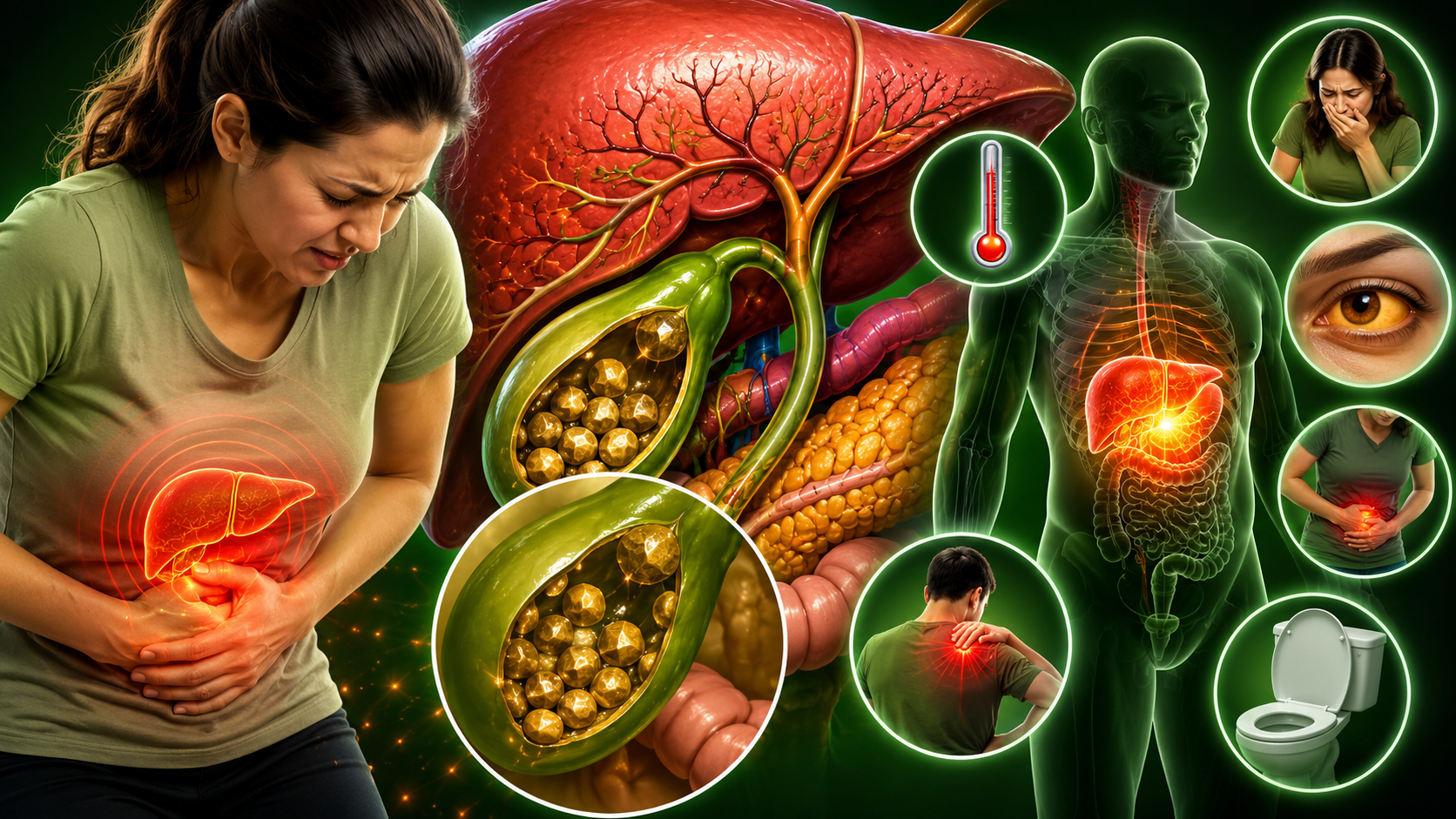
Doctors commonly refer to a gallbladder attack as biliary colic.
Despite the name, the pain is often severe rather than cramp-like.
Sudden, Crushing Upper Right Abdominal Pain
The hallmark symptom is pain beneath the right rib cage or in the upper middle abdomen.
People commonly describe the sensation as:
- Sharp and stabbing
- Deep squeezing pressure
- Tightness beneath the ribs
- A constant ache
- Intense pressure that builds rapidly
Unlike ordinary indigestion, gallbladder pain often feels impossible to ignore.
Many patients report:
- Pacing the room
- Inability to get comfortable
- Sweating during attacks
- Trouble taking deep breaths
- Pain severe enough to interrupt sleep
Where Gallbladder Pain Usually Starts
Pain most often begins in the:
- Upper right abdomen
- Epigastric region (upper middle stomach)
- Area beneath the rib cage
Some people place their hand directly beneath the ribs while describing the pain.
Others experience pain spreading outward toward the back or shoulder.
Why Gallstones Cause Severe Pain
The gallbladder stores bile produced by the liver.
After eating, especially after fatty meals, the digestive system releases a hormone called cholecystokinin (CCK).
CCK signals the gallbladder to contract and release bile into the small intestine.
If a gallstone blocks the cystic duct during contraction:
- Bile becomes trapped
- Pressure rapidly increases
- Inflammation develops
- Pain intensifies
This pressure is what creates the classic gallbladder attack.
Referred Pain to the Right Shoulder Blade and Back
One of the most confusing gallbladder attack symptoms is referred pain.
Inflammation near the diaphragm may irritate the phrenic nerve, which shares pathways connected to the shoulder and upper back.
As a result, pain may radiate toward:
- The right shoulder blade
- The middle back
- Between the shoulder blades
- The right side of the chest
Many patients initially assume they pulled a muscle or slept in an awkward position.
What Referred Pain Feels Like
People often describe the sensation as:
- Burning discomfort in the back
- Pressure beneath the shoulder blade
- Deep aching pain
- Pain that worsens after meals
Because these symptoms overlap with spinal strain, acid reflux, and even cardiac symptoms, gallbladder disease may initially go unrecognized.
Nausea, Vomiting, and the “Greasy” Sick Feeling
Gallbladder attacks commonly trigger digestive distress shortly after eating.
Symptoms may include:
- Nausea
- Vomiting
- Cold sweats
- Bloating
- Burping
- Feeling “greasy” or sick after meals
Some people gradually begin avoiding fatty foods because they associate them with pain.
Why Fatty Foods Trigger Symptoms
Fat digestion requires bile.
Meals high in fat strongly stimulate gallbladder contraction.
Common triggers include:
- Fried foods
- Pizza
- Cheeseburgers
- Heavy cream sauces
- Ice cream
- Fast food meals
If gallstones are present, strong gallbladder contractions may push stones into narrow ducts and temporarily block bile flow.
The Connection Between Gallstones and Cold Sweats
Severe pain stimulates the autonomic nervous system.
This may cause:
- Sweating
- Pallor
- Rapid heartbeat
- Lightheadedness
People often describe attacks as feeling “physically overwhelming.”
The Timeline: How Long Does a Gallbladder Attack Last and Why Does It Happen at Night?
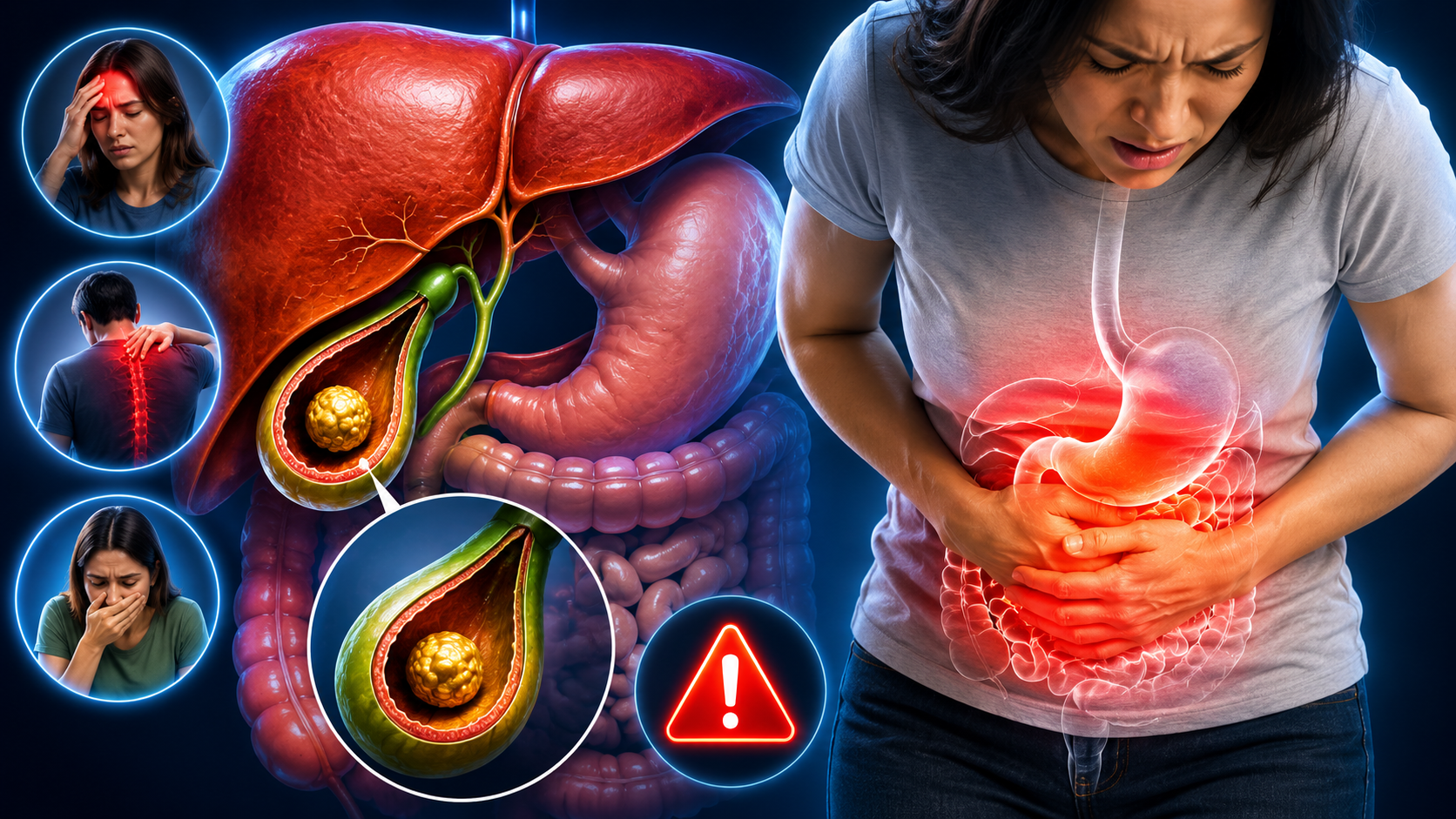
Gallbladder attacks often follow a predictable biological timeline.
The 30-Minute to 4-Hour Peak Window
A typical uncomplicated attack may:
- Begin suddenly
- Intensify within 30–60 minutes
- Remain severe for several hours
- Gradually improve as the gallbladder relaxes
Many uncomplicated attacks improve within 2–4 hours.
This may happen when the trapped stone slips away from the duct opening and bile flow resumes.
Why Pain Sometimes Lasts Longer
Persistent pain lasting beyond several hours may suggest:
- Ongoing obstruction
- Gallbladder inflammation
- Infection
- Pancreatitis
Pain that continues worsening should not be ignored.
Why Gallbladder Attacks Frequently Strike at Night
Many patients report attacks beginning late at night or during sleep.
This nighttime pattern likely has multiple causes.
Heavy Evening Meals
Dinner is often the largest and fattiest meal of the day.
Fat-heavy meals trigger strong gallbladder contractions several hours later.
Delayed Digestion During Sleep
Digestive activity continues for hours after eating.
Symptoms may appear long after the meal itself.
This explains why many people suddenly wake up with severe pain in the middle of the night.
Does Lying Flat Affect Stone Movement?
Some researchers believe body position may influence stone movement inside the gallbladder, although evidence remains limited.
When lying horizontally:
- Stones may shift more easily toward the gallbladder neck
- Temporary blockage may become more likely
- Pressure inside the gallbladder may increase during contraction
However, this theory has not been fully proven and should not be viewed as a definitive cause of nighttime attacks.
Is It a Gallbladder Attack, Pancreatitis, or a Heart Attack?
One reason gallbladder attacks feel frightening is because symptoms overlap with other medical emergencies.
Why These Conditions Feel Similar
The nerves connected to the:
- Heart
- Gallbladder
- Pancreas
- Diaphragm
- Upper digestive tract
share overlapping pathways.
As a result, symptoms may feel surprisingly similar.
The Emergency Differential Symptom Matrix
| Condition | Pain Location | Radiation Pattern | Typical Pattern | Other Symptoms |
| Gallbladder attack | Upper right abdomen | Right shoulder or upper back | Often after fatty meals | Nausea, bloating |
| Acute pancreatitis | Upper middle abdomen | Straight through to back | Severe continuous pain | Vomiting, abdominal tenderness |
| Heart attack | Chest, upper abdomen, or left side | Left arm, jaw, neck, or back | Often sudden; can occur at rest or during sleep | Sweating, breathing difficulty |
CRITICAL WARNING
Heart attacks in women and individuals with diabetes sometimes mimic gallbladder pain or severe indigestion.
If upper abdominal pain feels crushing, causes shortness of breath, sweating, weakness, or a sense of impending doom, treat it as a heart emergency and call 911 immediately.
Never assume nighttime abdominal pain is “just gallstones.”
Atypical Symptoms That Many People Miss
Not every gallbladder attack looks dramatic at first.
Some people experience subtle symptoms for months before a severe attack develops.
Bloating and Indigestion After Meals
Early symptoms may include:
- Frequent bloating
- Excess gas
- Burping
- Acid reflux
- Upper abdominal fullness
These symptoms are commonly mistaken for:
- GERD
- Gastritis
- Food intolerance
- Irritable bowel syndrome
Pale Stool and Dark Urine
Changes in stool or urine color may signal blocked bile flow.
When bile cannot reach the intestine normally:
- Stool may appear pale or clay-colored
- Urine may become dark yellow or tea-colored
These symptoms may occur alongside jaundice.
Fever and Chills
Fever during a gallbladder attack should always be taken seriously.
It may suggest:
- Gallbladder infection
- Bacterial cholangitis
- Worsening inflammation
Shaking chills combined with abdominal pain require urgent evaluation.
Gallbladder Attacks in Women, Older Adults, and People With Diabetes
Symptoms do not always appear the same in every population.
Women and Hormonal Influences
Gallstones are more common in women, partly because estrogen may increase cholesterol concentration in bile.
Pregnancy may further increase risk because progesterone slows gallbladder emptying.
Some women first experience symptoms:
- During pregnancy
- After childbirth
- While using estrogen-containing medications
Older Adults May Have Atypical Symptoms
Older adults sometimes develop less obvious symptoms.
Instead of severe pain, symptoms may include:
- Weakness
- Confusion
- Fatigue
- Mild nausea
- Reduced appetite
This may delay diagnosis.
Diabetes and Reduced Pain Sensation
People with diabetes may experience altered nerve signaling.
As a result:
- Pain may feel less intense
- Symptoms may progress unnoticed
- Complications may develop before diagnosis
Phantom Attacks: What If You Have Symptoms But No Gallbladder?
Some people continue experiencing symptoms even after gallbladder removal surgery.
Understanding Post-Cholecystectomy Syndrome (PCS)
This condition is known as Post-Cholecystectomy Syndrome (PCS).
Symptoms may include:
- Right-sided abdominal pain
- Diarrhea after meals
- Nausea
- Bloating
- Digestive discomfort
Why Symptoms Continue After Surgery
Several factors may contribute.
Retained Bile Duct Stones
Occasionally, stones remain inside the common bile duct after surgery.
Sphincter of Oddi Dysfunction
The Sphincter of Oddi is a muscular valve controlling bile flow into the small intestine.
If the valve spasms or narrows abnormally, symptoms may resemble gallbladder attacks.
Bile Acid Sensitivity
Without a gallbladder, bile drips continuously into the intestine instead of being stored and released in controlled amounts.
Some people become sensitive to bile acids and develop diarrhea after eating.
How PCS Is Sometimes Treated
Treatment depends on the underlying cause.
In selected cases, physicians may recommend:
- Bile acid-binding medications such as cholestyramine
- Dietary adjustments
- Endoscopic procedures
- Additional imaging tests
Persistent symptoms after surgery should always be medically evaluated.
What to Do During a Gallbladder Attack at Home
Home care should never replace emergency treatment when severe symptoms are present.
However, some supportive measures may temporarily reduce discomfort.
Safe Measures That May Help
Some individuals feel partial relief by:
- Sitting upright
- Applying a warm compress
- Resting quietly
- Avoiding fatty foods
- Staying hydrated if vomiting is absent
Why Fasting Sometimes Helps
Eating stimulates gallbladder contraction.
Temporarily avoiding food may reduce pressure inside the gallbladder during mild attacks.
Avoid Dangerous “Gallbladder Flushes”
Online remedies involving:
- Olive oil cleanses
- Lemon juice flushes
- Apple cider vinegar detoxes
are not supported by strong scientific evidence.
More importantly, forcing the gallbladder to contract aggressively during an active attack may be dangerous.
Large amounts of oil can trigger powerful gallbladder contractions that may push stones deeper into the bile ducts, potentially causing complete blockage or gallstone pancreatitis.
What Causes Gallbladder Attacks?
Gallstones are the most common cause.
How Gallstones Form
Gallstones develop when bile chemistry becomes imbalanced.
This may happen when bile contains:
- Too much cholesterol
- Excess bilirubin
- Too little bile acid
Over time, microscopic crystals gradually harden into stones.
Common Gallstone Risk Factors
Risk increases with:
- Obesity
- Rapid weight loss
- Pregnancy
- Diabetes
- Family history
- Older age
- Sedentary lifestyle
Why Rapid Weight Loss Raises Risk
Very low-calorie diets and crash dieting may:
- Increase cholesterol release into bile
- Slow gallbladder emptying
- Promote bile stasis
This combination encourages stone formation.
How Gallbladder Attacks Are Diagnosed
Doctors usually combine symptoms, physical examination, imaging, and laboratory tests.
Abdominal Ultrasound
Ultrasound is the first-line imaging test for gallstones.
It may identify:
- Gallstones
- Thickened gallbladder walls
- Inflammation
- Enlarged bile ducts
Murphy’s Sign
Doctors sometimes check for Murphy’s sign during physical examination.
Pain worsening during deep inhalation while pressing beneath the right rib cage may suggest gallbladder inflammation.
Blood Tests
Bloodwork may help detect:
- Infection
- Elevated bilirubin
- Liver inflammation
- Pancreatitis
Additional Imaging Tests
Some patients may require:
- CT scans
- MRI or MRCP imaging
- ERCP procedures
These tests are often used when bile duct stones or complications are suspected.
Frequently Asked Questions (FAQ)
What triggers a gallbladder attack?
The most common trigger is eating meals high in fat or refined carbohydrates. Fat digestion stimulates gallbladder contraction, which may force a gallstone into the bile duct and temporarily block bile flow.
Can a gallbladder attack go away on its own?
Yes. Mild biliary colic sometimes improves when the gallbladder relaxes and the stone shifts away from the duct opening. However, persistent pain still requires medical evaluation.
Can anxiety mimic a gallbladder attack?
Anxiety and panic attacks may cause nausea, chest pressure, and stomach discomfort. However, they do not usually cause localized right upper abdominal pain with jaundice or clay-colored stool.
How long does a gallbladder attack usually last?
Most uncomplicated attacks improve within several hours. Pain lasting longer than 5 hours may suggest complications requiring urgent care.
Can you have gallstones without symptoms?
Yes. Many people develop “silent gallstones” that never cause symptoms and are discovered incidentally during imaging tests.
Conclusion
Gallbladder attack symptoms can range from mild digestive discomfort to severe upper abdominal pain that feels overwhelming and frightening.
Because symptoms often mimic acid reflux, ulcers, pancreatitis, or even heart attacks, many people do not realize the gallbladder may be involved until attacks become more severe.
Recognizing the warning signs — especially persistent pain, jaundice, fever, vomiting, or breathing difficulty — may help people seek treatment before complications develop.
If symptoms feel severe, sudden, or concerning, prompt medical evaluation is essential.