Gallbladder Issues Symptoms: The Complete Guide to Identifying Gallbladder Diseases
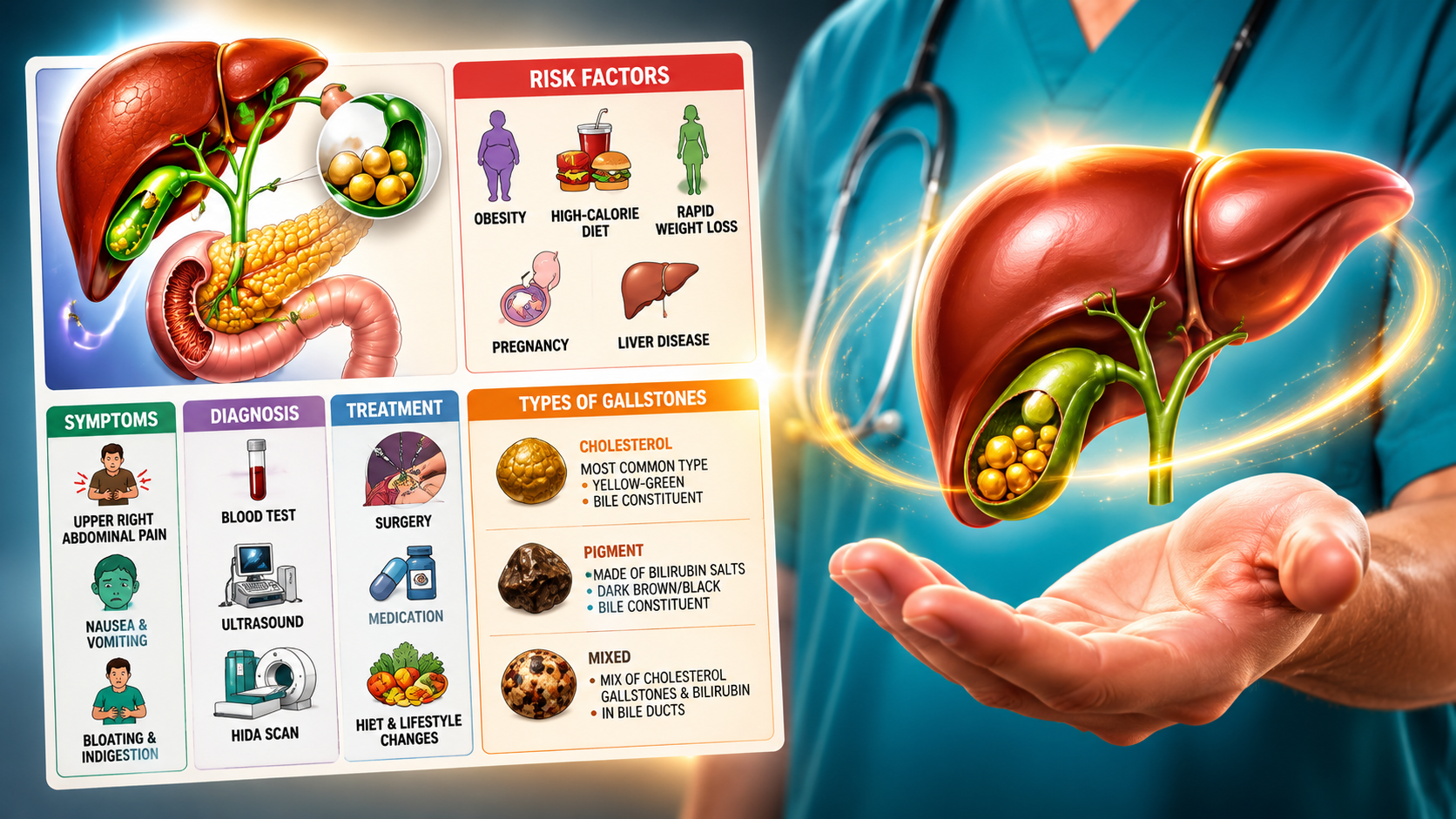
Medical Disclaimer: This article is for educational purposes only and should not replace professional medical advice, diagnosis, or treatment. Severe abdominal pain, jaundice, fever, vomiting, chest pressure, or breathing difficulty requires urgent medical evaluation.
Persistent bloating after meals, unexplained nausea, pressure beneath the right ribs, or sudden digestive attacks may all be possible gallbladder issues symptoms. While many people initially assume they are dealing with routine indigestion or acid reflux, gallbladder-related disorders can sometimes create a much more complex pattern of pain and digestive dysfunction.
The challenge is that gallbladder disease does not always look the same from person to person. Some individuals experience dramatic pain attacks after fatty meals, while others develop vague chronic symptoms that build gradually over months or years. In certain cases, serious gallbladder conditions may remain almost completely silent until discovered during an imaging test for an unrelated issue.
This medically reviewed guide explains the most common gallbladder diseases, how symptoms may differ between conditions, what warning signs deserve prompt medical attention, and why some people continue to experience symptoms even after gallbladder removal.
The Universal Symptoms of Gallbladder Issues
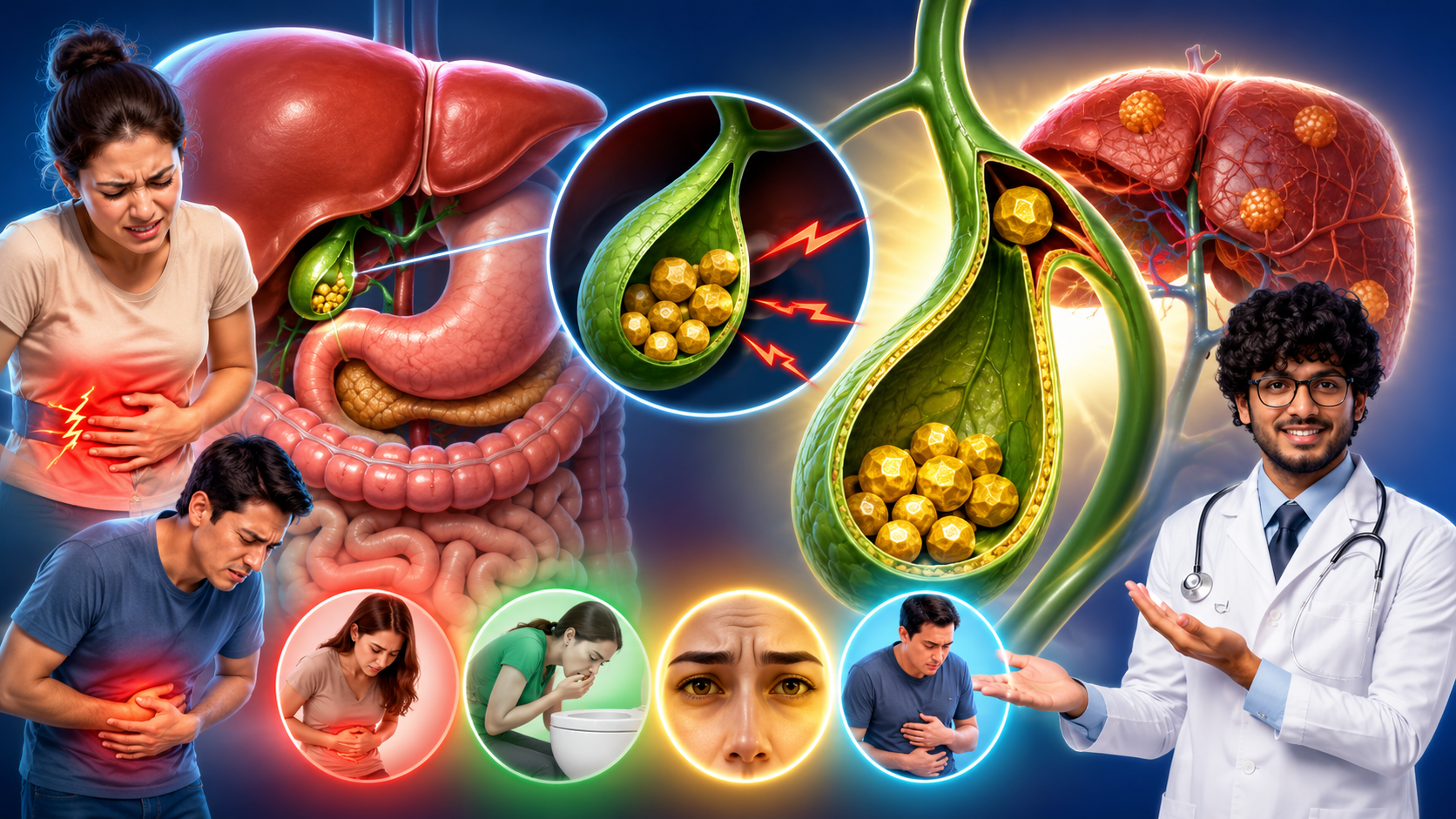
Although gallbladder disorders vary widely, many conditions share a recognizable group of digestive and abdominal symptoms. Understanding these overlapping patterns can help patients recognize when the gallbladder may be contributing to ongoing discomfort.
Right Upper Quadrant (RUQ) Abdominal Discomfort
One of the most recognized gallbladder issues symptoms is pain located in the right upper abdomen, just beneath the rib cage. Doctors often refer to this region as the “right upper quadrant” or RUQ.
The discomfort can present in several ways:
- A dull pressure sensation
- Sharp stabbing pain
- Cramping waves of pain
- A deep ache radiating toward the back or shoulder
- Tightness in the upper abdomen after meals
Some people describe the sensation as if a fist is pressing beneath the ribs. Others experience a sudden attack severe enough to wake them from sleep.
Gallbladder-related pain may also spread beyond the abdomen. This phenomenon is called referred pain, meaning the brain interprets irritation from the gallbladder as discomfort in another region.
Common referral areas include:
- The right shoulder blade
- The middle upper back
- The area between the shoulder blades
- Occasionally the chest or upper sternum
This symptom pattern occurs because the gallbladder shares nerve pathways with nearby structures connected to the diaphragm and digestive system.
Post-Prandial Gastrointestinal Distress
Another hallmark of gallbladder issues symptoms is digestive distress that appears after eating, especially after meals rich in fat.
The gallbladder stores and concentrates bile, a digestive fluid produced by the liver. Bile helps break down dietary fats. When the gallbladder becomes inflamed, blocked, sluggish, or structurally impaired, fat digestion may become less efficient.
As a result, many patients report:
- Bloating
- Excess gas
- Nausea
- Early fullness
- Burping
- Indigestion
- Fat intolerance
- Upper abdominal heaviness
Symptoms frequently worsen after foods such as:
- Fried meals
- Fast food
- Pizza
- Cream sauces
- Butter-heavy dishes
- Fatty meats
- Ice cream
For some individuals, the digestive discomfort becomes chronic and subtle rather than dramatic. They may simply feel “off” after meals for months without realizing the gallbladder could be involved.
Why Gallbladder Symptoms Often Strike at Night
A surprisingly common experience among gallbladder patients is waking suddenly in the middle of the night with severe abdominal pain.
Several mechanisms may contribute to this pattern:
Heavy Evening Meals
Dinner is often the largest and fattiest meal of the day, forcing the gallbladder to contract aggressively to release bile for digestion.
Slower Overnight Digestion
Digestive motility naturally slows during sleep, which may prolong gallbladder stimulation and increase internal pressure.
Positional Stone Movement
One of the most overlooked explanations involves anatomy and gravity.
When standing upright, the gallbladder hangs in a more vertical orientation. Gallstones may settle harmlessly at the bottom of the organ.
However, when lying flat:
- The gallbladder shifts into a more horizontal position
- Stones may roll toward the gallbladder neck
- Temporary blockage may occur at the cystic duct opening
As pressure builds, patients may awaken with severe pain several hours after falling asleep.
This explains why many people describe a “2 a.m. gallbladder attack” after eating a heavy dinner.
The Gallbladder Symptoms Matcher Matrix
Not all gallbladder diseases behave the same way. Certain symptom combinations may point toward specific underlying disorders.
Categorizing Symptoms by Specific Gallbladder Conditions
| Condition | Common Symptoms | Typical Pattern |
| Gallstones (Cholelithiasis) | Sudden severe pain after fatty meals, nausea, bloating | Intermittent attacks lasting 1–5 hours |
| Acute Cholecystitis | Constant right-side pain, fever, chills, vomiting | Pain persists longer than 6 hours |
| Chronic Cholecystitis | Long-term indigestion, bloating, dull abdominal discomfort | Ongoing low-grade symptoms |
| Biliary Dyskinesia | Gallstone-like pain with clean ultrasound | Functional emptying disorder |
| Choledocholithiasis | Jaundice, dark urine, pale stools | Stone blocks bile duct |
| Gallbladder Polyps | Often no symptoms | Usually found incidentally |
| Early Gallbladder Cancer | Frequently silent in early stages | Symptoms may appear late |
Critical Cardiac Warning: Heart-related chest pain can sometimes begin shortly after a heavy meal because digestion increases blood flow demands throughout the body. If you experience crushing chest pressure, sweating, dizziness, fainting, or shortness of breath after eating, treat it as a potential cardiac emergency and call 911 immediately rather than assuming it is “just gallbladder pain.”
Gallstones (Cholelithiasis): The Most Common Gallbladder Disorder
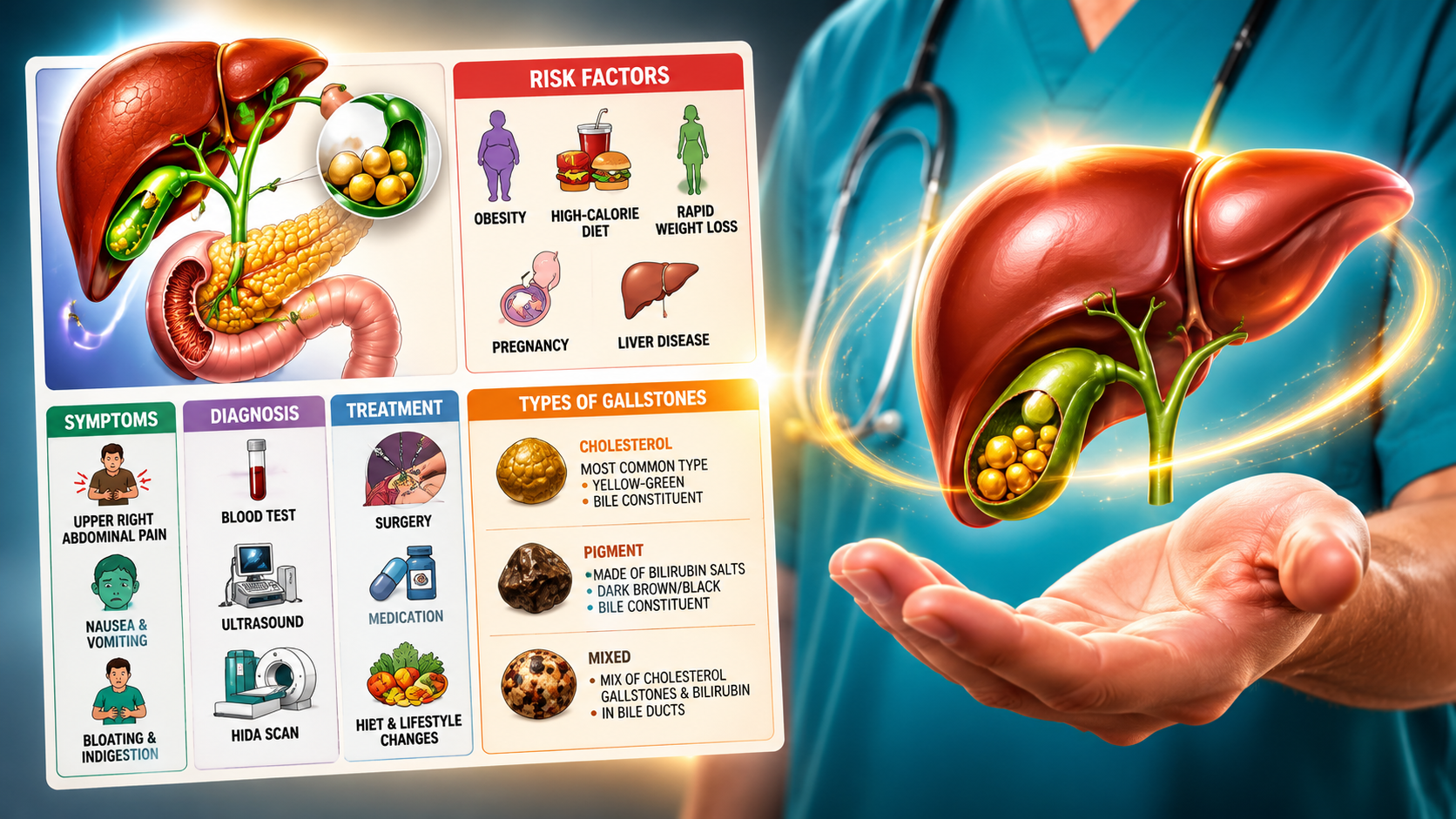
Gallstones are hardened deposits that form inside the gallbladder. In developed countries, most gallstones are primarily made of cholesterol.
Why Gallstones Form
Bile contains a delicate balance of:
- Cholesterol
- Bile salts
- Water
- Bilirubin
- Electrolytes
When this balance becomes unstable, cholesterol crystals may begin clumping together.
A simple analogy is adding too much sugar into iced tea. Eventually, the liquid can no longer dissolve the excess sugar, causing crystals to settle at the bottom.
Similarly, when bile becomes oversaturated with cholesterol, microscopic crystals may form and gradually grow into stones.
Risk factors may include:
- Female sex
- Pregnancy history
- Obesity
- Diabetes
- Metabolic syndrome
- Rapid weight loss
- Family history
- Age over 40
- Estrogen exposure
What a Gallbladder Attack Feels Like
A gallstone attack, also called biliary colic, often begins suddenly.
Typical symptoms include:
- Intense upper abdominal pain
- Pain after fatty meals
- Pain radiating to the shoulder or back
- Nausea
- Sweating
- Restlessness
Unlike gas pain, biliary colic usually builds steadily rather than coming in brief waves.
Many patients report being unable to find a comfortable position during an attack.
The 6-Hour Red Line
Pain lasting longer than about five to six hours may suggest progression from temporary obstruction into acute inflammation.
When a gallstone remains trapped, pressure and inflammation can increase dramatically inside the gallbladder.
This may lead to acute cholecystitis — a potentially serious inflammatory or infectious condition requiring urgent medical evaluation.
What NOT to Do During an Attack
While waiting to determine whether symptoms improve:
- Do not apply direct heat to the abdomen
- Avoid excessive doses of strong pain medications
- Avoid alcohol
- Avoid internet “gallbladder flushes”
- Avoid delaying emergency care if symptoms worsen
Heat may potentially worsen inflammation in an acutely infected gallbladder, while large amounts of pain medication can mask symptoms important for surgical evaluation.
Acute Cholecystitis: When the Gallbladder Becomes Inflamed
Acute cholecystitis occurs when the gallbladder becomes severely inflamed, usually due to prolonged blockage from a gallstone.
Symptoms of Acute Gallbladder Inflammation
Compared with routine gallstone attacks, symptoms are generally more severe and persistent.
Common symptoms include:
- Constant right upper abdominal pain
- Fever
- Chills
- Vomiting
- Severe tenderness
- Loss of appetite
- Abdominal guarding
Pain often worsens during movement or deep breathing.
Important Safety Note About Murphy’s Sign
During a medical examination, clinicians sometimes evaluate Murphy’s sign — increased pain during inhalation while pressing beneath the right ribs.
Important Safety Note: Murphy’s sign should only be evaluated by a trained healthcare professional. Patients should never attempt to press forcefully into their own abdomen during severe pain episodes.
Emergency Warning Signs
Certain symptoms deserve immediate medical attention because they may indicate complications involving the bile ducts, pancreas, or bloodstream.
Potential emergency red flags include:
- Yellowing of the skin or eyes (jaundice)
- Persistent vomiting
- Fever with abdominal pain
- Pale or clay-colored stools
- Dark urine
- Confusion
- Severe dehydration
- Pain lasting more than six hours
If these symptoms occur, prompt emergency evaluation is strongly recommended.
Chronic Cholecystitis: The “Always Uncomfortable” Gallbladder
Not every gallbladder condition produces dramatic attacks.
Chronic cholecystitis develops when repeated inflammation gradually damages the gallbladder over time.
Symptoms May Be Subtle
Unlike acute attacks, chronic disease may cause:
- Persistent bloating
- Mild nausea
- Frequent indigestion
- Burping
- Fat intolerance
- Low-grade aching discomfort
- Fullness after eating
Many patients spend months attributing symptoms to stress, acid reflux, or irritable bowel syndrome before gallbladder disease is considered.
Why Chronic Inflammation Changes Digestion
Repeated inflammation can cause the gallbladder wall to become thickened and scarred.
A poorly functioning gallbladder may struggle to empty bile efficiently, interfering with normal fat digestion and digestive timing.
This is why some people begin avoiding entire food categories long before diagnosis.
Decoding Functional Gallbladder Issues: Biliary Dyskinesia
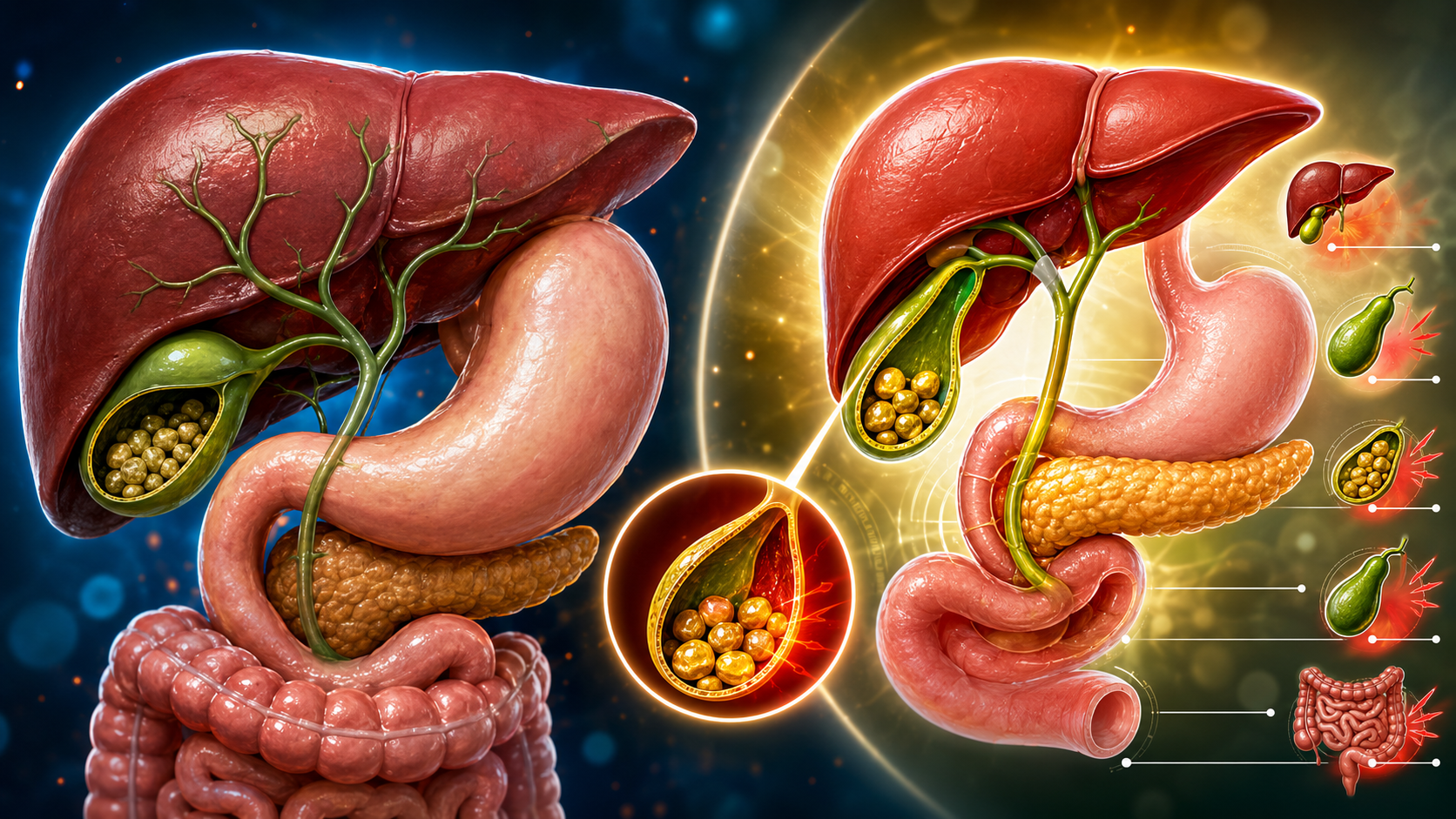
One of the most frustrating gallbladder disorders is biliary dyskinesia.
When It Hurts But Scans Show No Stones
Patients with biliary dyskinesia often experience classic gallbladder pain even though ultrasounds show no visible stones.
This occurs because the problem is functional rather than structural.
The gallbladder muscles may:
- Contract too weakly
- Contract too forcefully
- Empty at the wrong time
- Fail to coordinate properly with digestive hormones
As bile accumulates, pressure can build inside the gallbladder, producing symptoms nearly identical to gallstone attacks.
Why Hormones Matter
A digestive hormone called cholecystokinin (CCK) normally signals the gallbladder to contract after fatty meals.
In biliary dyskinesia, this signaling pathway may become dysfunctional.
This helps explain why:
- Symptoms frequently appear after greasy foods
- Ultrasounds may appear normal
- Pain episodes still feel severe
The Importance of the HIDA Scan
Standard ultrasounds mainly identify physical abnormalities such as stones or inflammation.
A HIDA scan evaluates gallbladder function instead.
During this imaging test, doctors track how effectively bile moves through the gallbladder and biliary system.
The scan calculates an ejection fraction (EF), measuring how efficiently the gallbladder empties.
Very low ejection fractions may suggest impaired motility.
Clinical diagnostic frameworks for biliary dyskinesia are commonly guided by internationally recognized gastroenterology criteria and functional biliary disorder guidelines.
Choledocholithiasis: Stones Blocking the Bile Ducts
Sometimes gallstones migrate out of the gallbladder and enter the bile ducts.
This condition is called choledocholithiasis.
Why Bile Duct Obstruction Is More Serious
The bile ducts function like drainage pipes carrying bile from the liver and gallbladder into the small intestine.
When stones obstruct these channels, bile flow may become impaired.
This can cause:
- Jaundice
- Dark urine
- Pale stools
- Severe abdominal pain
- Pancreatitis
- Infection of the bile ducts
Why the Stool and Urine Change Color
Bilirubin — a yellow pigment processed by the liver — normally exits through bile.
If bile cannot drain properly:
- Bilirubin accumulates in the bloodstream
- Skin and eyes may appear yellow
- Urine may darken
- Stools may lose normal brown pigmentation
These symptoms should never be ignored.
The Silent Threats: Gallbladder Polyps and Early Tumors
One of the most important facts about gallbladder disease is that some serious conditions produce almost no symptoms.
Why Some Gallbladder Problems Stay Silent
Gallbladder polyps are growths projecting from the gallbladder lining.
Most are benign and harmless.
However, certain polyps may require monitoring because size and growth patterns can influence cancer risk assessment.
Early gallbladder tumors are also frequently asymptomatic.
Patients often feel completely normal.
The Value of Incidental Ultrasound Findings
Many gallbladder polyps are discovered accidentally during imaging tests ordered for unrelated symptoms.
This is called an incidental finding.
Doctors may recommend follow-up imaging depending on:
- Polyp size
- Growth rate
- Shape
- Associated risk factors
Monitoring helps specialists identify concerning changes early.
Still Experiencing Symptoms After Gallbladder Removal?
Some individuals continue experiencing digestive symptoms even after surgery.
Understanding Post-Cholecystectomy Syndrome (PCS)
Post-cholecystectomy syndrome refers to persistent symptoms following gallbladder removal.
Symptoms may appear shortly after surgery or months later.
Common Symptoms of PCS
Possible symptoms include:
- Persistent upper abdominal pain
- Diarrhea
- Bloating
- Nausea
- Gas
- Fat intolerance
Why Symptoms May Continue
Potential explanations include:
- Retained bile duct stones
- Bile acid diarrhea
- Sphincter of Oddi dysfunction
- Functional bowel disorders
- Changes in bile flow dynamics
Without the gallbladder acting as a storage reservoir, bile drips more continuously into the intestines. In some people, this contributes to loose stools or urgency after meals.
Recovery Expectations After Laparoscopic Surgery
Modern gallbladder surgery is commonly performed laparoscopically using small incisions.
Many patients:
- Return home within one or two days
- Resume light activity relatively quickly
- Return to work within one to two weeks depending on recovery and job demands
Recovery experiences vary depending on the individual and whether complications are present.
Lifestyle Factors Linked to Gallbladder Symptoms
Certain lifestyle patterns may influence gallbladder function and stone formation risk.
Rapid Weight Loss and Gallbladder Stasis
Extremely rapid weight loss may increase gallstone formation risk.
When calorie intake drops dramatically:
- The gallbladder empties less frequently
- Cholesterol concentration in bile may rise
- Bile stasis may develop
Clinical research has shown that losing more than approximately 1.5 kg (3.3 pounds) per week for extended periods may substantially increase gallstone risk, particularly after bariatric surgery or severe crash dieting.
For this reason, gradual and sustainable weight management strategies are generally considered safer for long-term digestive health than aggressive rapid-weight-loss programs.
Intermittent Fasting and Gallbladder Symptoms
Some individuals report worsening gallbladder symptoms during prolonged fasting schedules.
One proposed explanation involves bile stasis.
When fasting periods become very prolonged — especially beyond 16–20 hours — the gallbladder may not receive enough digestive stimulation to contract regularly.
As a result:
- Bile may remain stagnant for extended periods
- Cholesterol concentration may increase
- Crystals may begin forming more easily
Over time, stagnant bile can become thicker and more concentrated, creating an environment favorable for gallstone development in susceptible individuals.
Research regarding intermittent fasting and gallbladder health is still evolving, and responses may vary significantly between individuals.
Diabetes and “Silent” Gallbladder Disease
People with diabetes sometimes experience reduced pain sensitivity because of nerve dysfunction called neuropathy.
As a result, serious gallbladder disease may occasionally progress with less dramatic symptoms.
This is one reason persistent digestive changes should not be ignored, even without severe pain.
When to Seek Medical Evaluation
Occasional indigestion after a heavy meal is common.
However, repeated digestive distress combined with upper abdominal pain deserves attention.
Symptoms Worth Discussing With a Doctor
Consider medical evaluation if symptoms include:
- Recurring right-side abdominal pain
- Frequent nausea after meals
- Persistent bloating
- Fat intolerance
- Recurrent nighttime pain
- Digestive symptoms lasting several weeks
Symptoms Requiring Prompt Medical Attention
Seek urgent care for:
- Fever with abdominal pain
- Jaundice
- Persistent vomiting
- Severe abdominal tenderness
- Confusion
- Chest pain
- Shortness of breath
- Fainting
- Severe dehydration
Prompt evaluation can help reduce the risk of complications such as infection, pancreatitis, or bile duct obstruction.
Frequently Asked Questions (FAQ)
What are the first signs of a gallbladder issue?
Early gallbladder issues symptoms are often digestive rather than dramatic. Many people initially notice bloating, nausea, indigestion, or discomfort after fatty meals. A dull ache beneath the right ribs or nighttime abdominal pain may also appear early.
Can gallbladder issues cause chronic diarrhea?
Yes. Certain chronic gallbladder disorders and post-gallbladder removal conditions may alter bile flow into the intestines. Excess bile acids entering the colon can contribute to loose or urgent stools in some individuals.
What does it mean if I have gallbladder pain but no stones?
Pain without visible stones may suggest a functional gallbladder disorder such as biliary dyskinesia or acalculous cholecystitis. In these situations, the gallbladder may not empty properly even when imaging looks structurally normal.
Can gallbladder pain radiate to the back or shoulder?
Yes. Gallbladder irritation commonly causes referred pain that spreads toward the right shoulder blade or upper back because of shared nerve pathways.
Are all gallbladder polyps dangerous?
No. Many gallbladder polyps are benign and remain stable for years. However, larger or growing polyps may require monitoring or further evaluation.
Can stress cause gallbladder symptoms?
Stress itself does not directly create gallstones, but stress can influence digestion, eating patterns, gastrointestinal motility, and pain perception, potentially worsening existing digestive symptoms.
Conclusion
Gallbladder issues symptoms can range from mild digestive discomfort to severe inflammatory emergencies. While some conditions cause sudden painful attacks, others progress quietly with subtle bloating, nausea, or chronic fat intolerance that gradually disrupt daily life.
Understanding the different symptom patterns associated with gallstones, chronic inflammation, biliary dyskinesia, bile duct obstruction, and post-surgical complications may help patients recognize when symptoms deserve medical attention.
Because upper abdominal pain can overlap with several digestive and cardiovascular conditions, persistent or severe symptoms should never be ignored — especially when accompanied by fever, jaundice, vomiting, or prolonged pain episodes.
Medical evaluation, imaging studies, and functional testing can help clarify whether the gallbladder is contributing to ongoing digestive problems and guide the next appropriate steps in care.