Gallbladder Issues Symptoms: The Complete Guide to Identifying Gallbladder Diseases
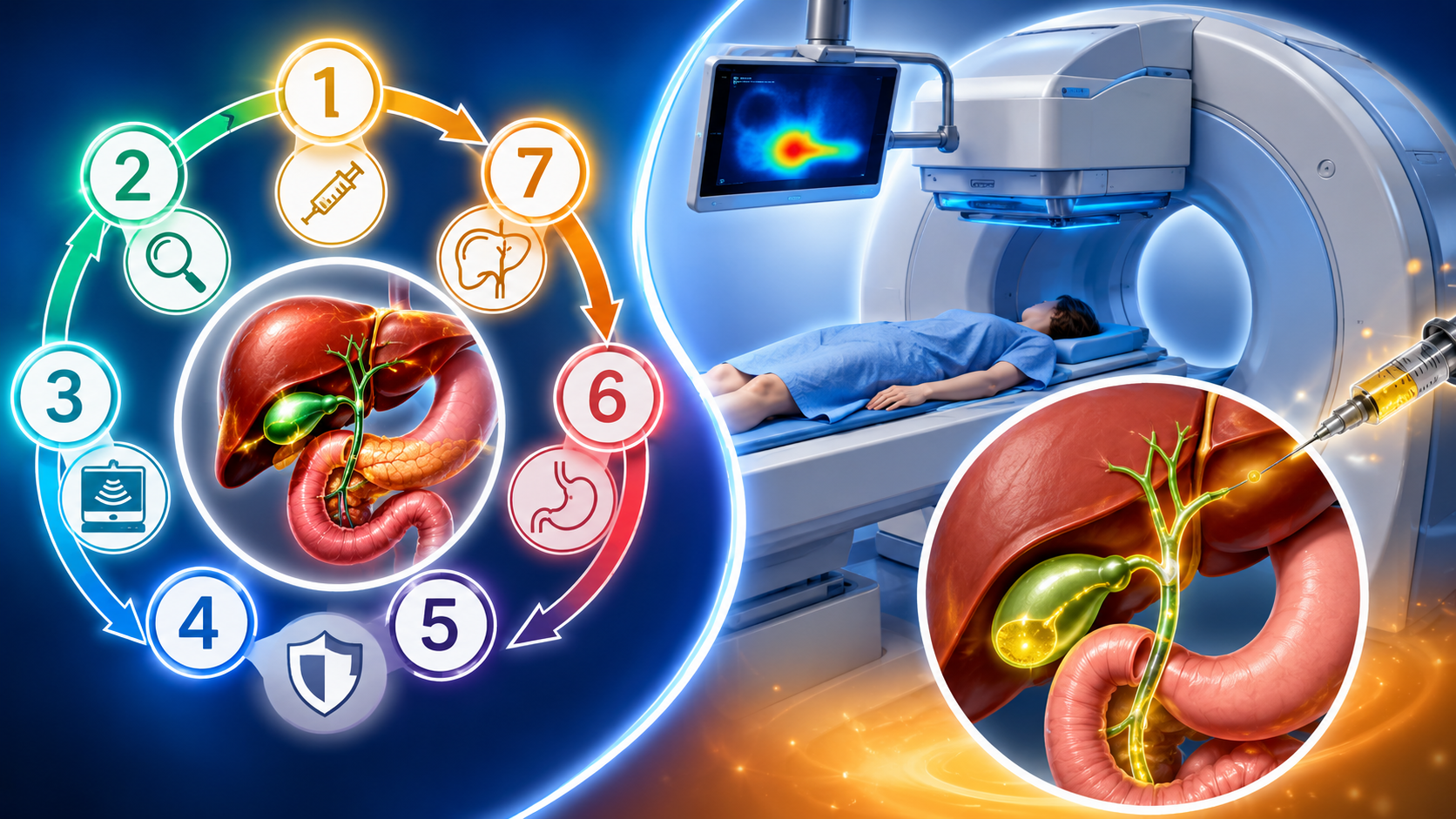
Medical Disclaimer: This educational article is not intended to diagnose, treat, or replace professional medical care. Severe abdominal pain, chest pressure, jaundice, fever, vomiting, fainting, or breathing difficulty requires urgent medical evaluation.
Gallbladder issues symptoms can range from mild digestive discomfort to sudden, frightening attacks that send people to the emergency room in the middle of the night. Because gallbladder disease shares symptoms with acid reflux, gastritis, ulcers, pancreatitis, liver disease, and even heart attacks, many patients initially misinterpret the warning signs.
Some people experience years of subtle bloating and food intolerance before developing severe biliary pain. Others discover gallbladder disease unexpectedly during imaging performed for unrelated health concerns.
This medically reviewed guide explains the full spectrum of gallbladder conditions, how symptoms evolve, why attacks often happen at night, how doctors diagnose functional gallbladder disorders, and which red flags should never be ignored.
Emergency Warning Signs: When Gallbladder Symptoms Become Dangerous
Seek emergency medical care immediately if you experience:
- Severe abdominal pain lasting longer than 5–6 hours
- Fever or shaking chills
- Yellowing of the skin or eyes (jaundice)
- Persistent vomiting
- Dark urine
- Pale or clay-colored stools
- Chest pressure or shortness of breath
- Confusion, fainting, or severe weakness
These symptoms may indicate:
- Acute cholecystitis
- Bile duct obstruction
- Gallstone pancreatitis
- Ascending cholangitis
- Sepsis-related complications
These conditions can become life-threatening without urgent treatment.
Patient Safety Note
If severe pain continues for hours, avoid:
- Applying intense heat directly to the abdomen
- Taking large doses of anti-inflammatory medications
- Attempting internet “gallbladder flushes”
- Ignoring chest pressure assuming it is “just indigestion”
Masking symptoms may delay proper emergency diagnosis.
Understanding the Gallbladder: What Does It Actually Do?
The gallbladder is a small pear-shaped organ located beneath the liver in the upper right portion of the abdomen.
Although people often assume the gallbladder creates bile, bile is actually produced by the liver.
The gallbladder functions primarily as:
- A bile storage chamber
- A concentration reservoir
- A controlled bile release system
When you eat fatty foods, your intestines release a digestive hormone called cholecystokinin (CCK).
CCK signals the gallbladder to contract and release concentrated bile into the small intestine to help digest fats.
Without coordinated gallbladder contractions, digestion becomes less efficient and pressure may build inside the biliary system.
The Universal Symptoms of Gallbladder Issues
Although symptoms vary between diseases, several warning signs commonly appear across most gallbladder disorders.
Right Upper Quadrant (RUQ) Pain
The most classic symptom is discomfort beneath the right rib cage.
Patients often describe:
- Deep pressure
- Sharp stabbing pain
- Cramping
- Squeezing sensations
- Pain beneath the right ribs
- Pain in the upper middle abdomen (epigastrium)
Unlike muscle strain, gallbladder pain usually feels:
- Internal
- Deep
- Constant
- Difficult to stretch away
Many patients describe it as “something trapped inside.”
Digestive Symptoms After Eating
Gallbladder symptoms commonly worsen after meals rich in fats or oils.
Frequent triggers include:
- Fried foods
- Fast food
- Heavy cream sauces
- Bacon
- Cheese
- Pizza
- Large restaurant meals
This happens because fatty meals trigger aggressive gallbladder contractions.
If bile flow becomes obstructed:
- Pressure rises rapidly
- The gallbladder stretches painfully
- Symptoms intensify
Chronic Bloating and “Silent Digestive Distress”
Some patients never develop dramatic attacks.
Instead, they experience chronic symptoms such as:
- Bloating
- Burping
- Nausea
- Fat intolerance
- Gas
- Loose stools
- Feeling overly full after meals
These vague symptoms are commonly mistaken for:
- Acid reflux
- Irritable bowel syndrome (IBS)
- Gastritis
- Food intolerance
Referred Pain: Why Gallbladder Problems Hurt in the Back and Shoulder
One of the most confusing gallbladder symptoms is referred pain.
Many patients initially believe they injured their back or shoulder.
The Phrenic Nerve “Cross-Wiring” Effect
When the gallbladder becomes inflamed, nearby tissues irritate the diaphragm.
The diaphragm communicates with the phrenic nerve, which shares neurological pathways with the shoulder and upper back.
As a result, the brain may incorrectly interpret gallbladder inflammation as pain located:
- Between the shoulder blades
- Beneath the right shoulder blade
- In the upper back
- In the right shoulder
This phenomenon is called referred pain.
Visual Recommendation: Insert a body-map illustration showing pain beginning beneath the right ribs and radiating toward the right shoulder blade.
The Gallbladder Symptoms Matcher Matrix
Different gallbladder diseases create different symptom patterns.
Understanding these patterns helps explain why some patients experience violent attacks while others develop slow, chronic digestive problems.
Gallstones (Cholelithiasis)
Typical symptoms include:
- Sudden attacks of upper right abdominal pain
- Pain after fatty meals
- Shoulder blade pain
- Nausea
- Episodes lasting 1–5 hours
Simple gallstone attacks usually do not initially involve fever.
Acute Cholecystitis (Inflamed Gallbladder)
Acute cholecystitis occurs when a stone remains trapped and inflammation escalates.
Symptoms may include:
- Severe constant pain
- Fever
- Vomiting
- Chills
- Extreme tenderness
- Pain lasting over 5–6 hours
This condition requires urgent medical attention.
Chronic Cholecystitis
Long-term inflammation may produce:
- Chronic bloating
- Persistent nausea
- Fat intolerance
- Mild recurrent RUQ pain
- Ongoing digestive discomfort
Because symptoms fluctuate slowly over time, chronic cholecystitis is often overlooked for years.
Biliary Dyskinesia: When It Hurts But No Stones Exist
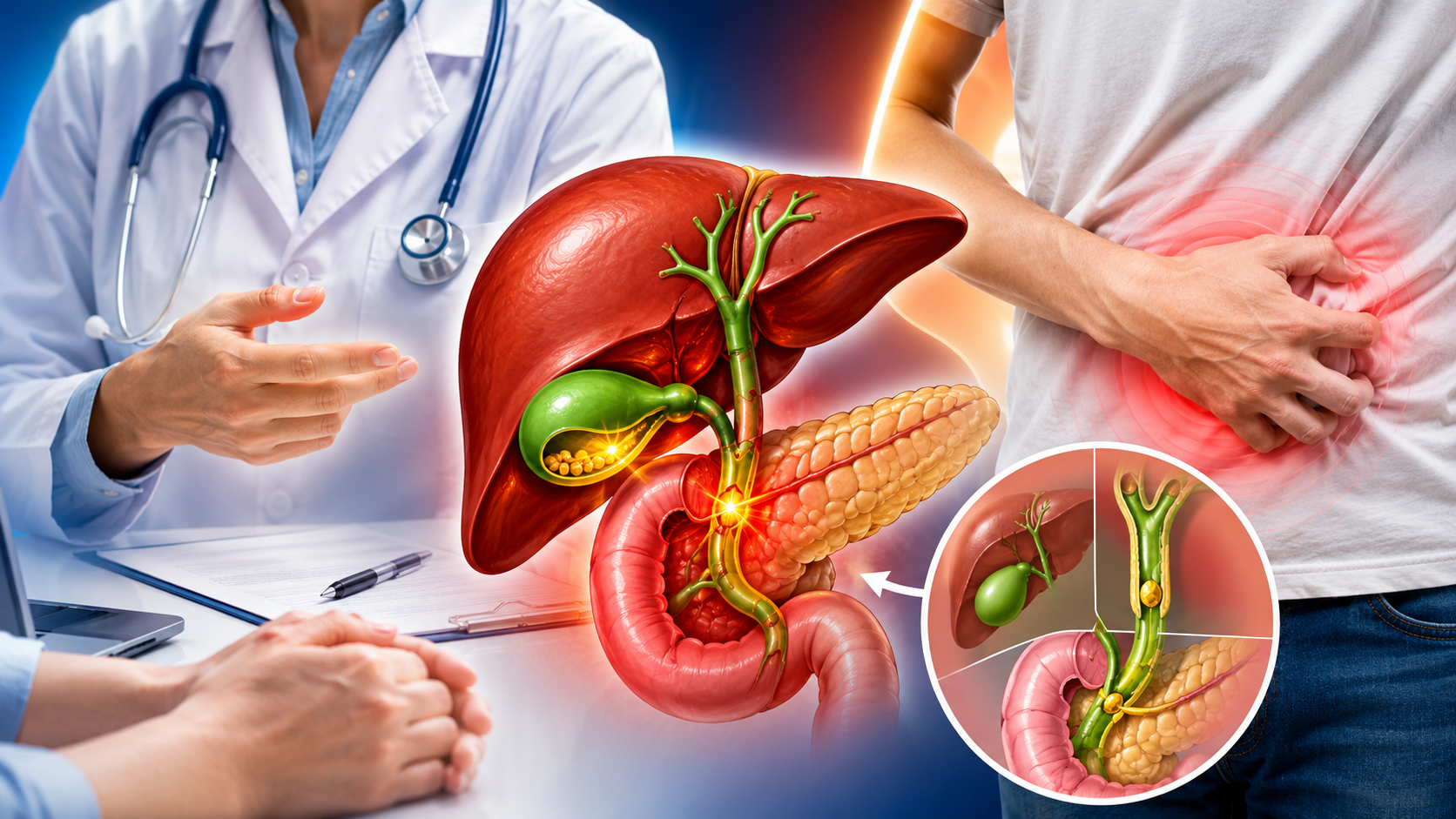
One of the most misunderstood gallbladder disorders is biliary dyskinesia.
Patients experience classic gallbladder attacks despite having:
- No visible stones
- Normal ultrasounds
- No obvious blockage
This disorder involves abnormal gallbladder motility rather than physical stones.
The Gallbladder “Pump Failure” Problem
In biliary dyskinesia, the gallbladder muscles fail to contract properly.
Instead of squeezing bile efficiently:
- Bile pools inside the gallbladder
- Pressure accumulates
- Pain develops after meals
The condition behaves like a mechanical pump malfunction.
Why Ultrasounds May Appear Normal
Standard ultrasounds primarily detect:
- Stones
- Sludge
- Structural abnormalities
However, ultrasounds cannot measure gallbladder function.
That is why many patients become frustrated after hearing:
“Your scan looks normal.”
even though severe symptoms continue.
The Critical Role of the HIDA Scan
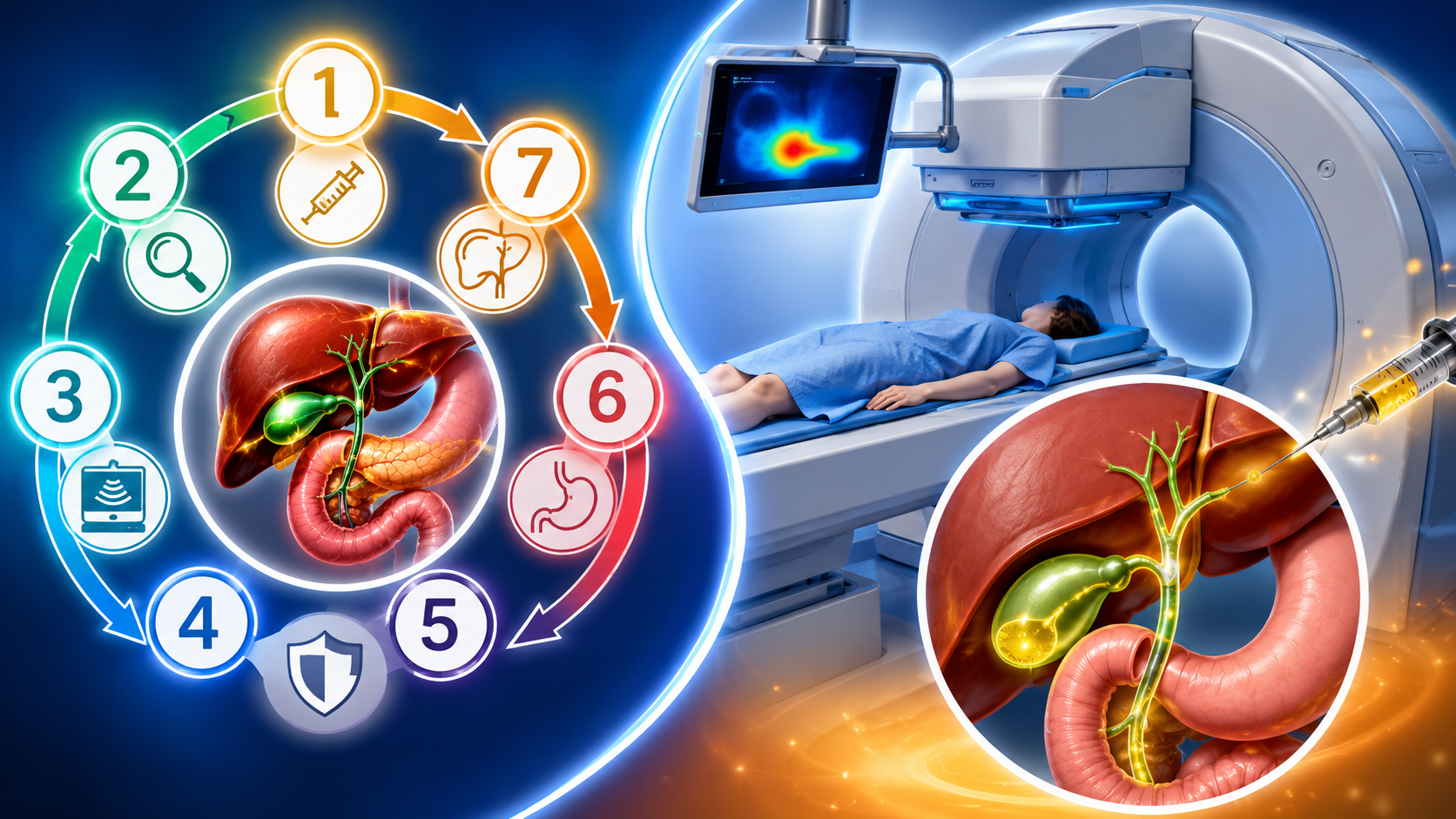
Doctors often diagnose biliary dyskinesia using a specialized nuclear imaging test called a HIDA scan.
This test measures the gallbladder’s ejection fraction (EF) — the percentage of bile expelled during contraction.
A very low EF suggests:
- Weak gallbladder contractions
- Functional gallbladder dysfunction
- Biliary dyskinesia
This distinction is important because patients can experience severe gallbladder pain even without stones.
Gallbladder Sludge: The Invisible Stage Before Stones
Before large stones form, bile may first thicken into sludge.
Biliary sludge consists of:
- Microscopic cholesterol crystals
- Calcium salts
- Thick mucus
- Dense stagnant bile
Although sludge may appear less dramatic than stones, it can still block bile ducts and trigger severe pain.
Some patients experience repeated attacks long before true stones become visible.
What Causes Gallbladder Problems?
Gallbladder disease develops through overlapping hormonal, metabolic, and mechanical mechanisms.
The “4 Fs” Risk Model
Doctors sometimes summarize classic gallstone risk factors as:
- Female
- Forty
- Fertile
- Fat
This mnemonic reflects broad epidemiological trends rather than strict diagnostic rules.
Female Hormones and Gallbladder Disease
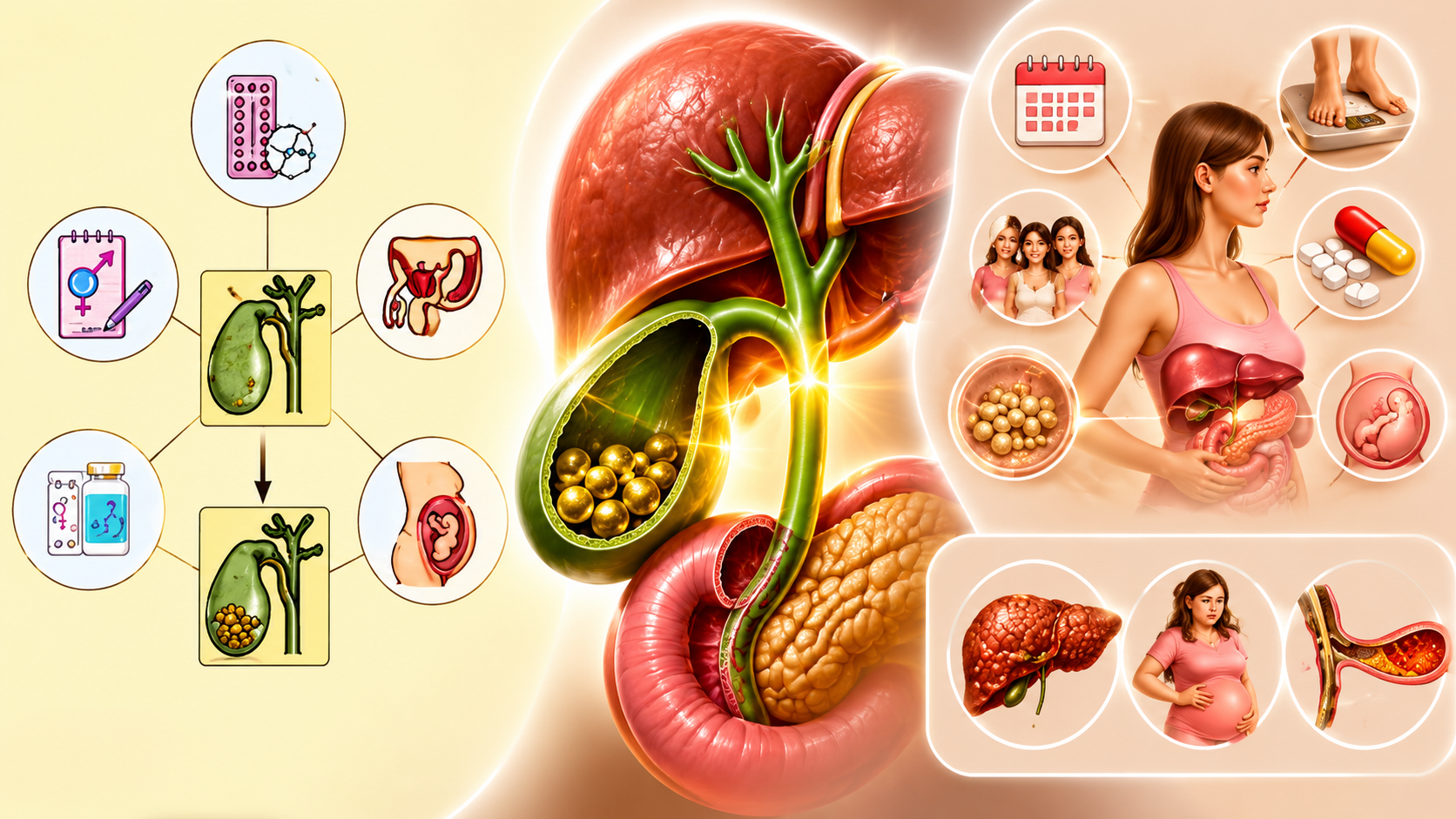
Estrogen increases cholesterol secretion into bile.
Progesterone slows gallbladder contractions.
Together, these hormonal effects increase the likelihood of:
- Biliary stasis
- Sludge formation
- Cholesterol crystallization
This helps explain why gallbladder disease occurs more commonly during:
- Pregnancy
- Hormone replacement therapy
- Estrogen exposure
- Rapid postpartum weight shifts
Pregnancy and Diagnostic Challenges
Gallbladder symptoms during pregnancy are particularly complex.
As the uterus expands:
- The liver and gallbladder shift upward
- Pain may feel higher in the chest or ribs
- Diagnosis becomes more difficult
Additionally, some liver-related laboratory values may fluctuate physiologically during pregnancy, complicating interpretation.
This overlap can make it challenging to distinguish:
- Gallstones
- Acute cholecystitis
- HELLP syndrome
- Pregnancy-related liver complications
Pregnant patients with severe RUQ pain require careful professional evaluation.
Rapid Weight Loss and Crash Dieting
Rapid weight loss is one of the strongest modern gallstone triggers.
When body fat breaks down too quickly:
- The liver releases excess cholesterol into bile
- Bile becomes oversaturated
- Gallstone formation accelerates
Clinical digestive guidelines commonly associate elevated risk with sustained weight loss exceeding approximately 1.5 kg (3.3 pounds) per week.
This is why aggressive crash diets sometimes trigger sudden gallbladder attacks.
The “Sugar Water” Analogy: How Gallstones Form
Gallstones form through a process called cholesterol supersaturation.
Imagine dissolving spoonful after spoonful of sugar into cold tea.
Eventually:
- The liquid becomes saturated
- Additional sugar cannot dissolve
- Crystals settle at the bottom
Gallstones develop similarly.
When bile contains more cholesterol than bile salts can safely dissolve:
- Cholesterol crystallizes
- Sludge thickens
- Stones gradually enlarge
Visual Recommendation: Insert a simplified infographic showing:
- Cholesterol supersaturation
- Crystal formation
- Stone enlargement
- Duct blockage
Why Gallbladder Attacks Frequently Happen at Night
Many people wake suddenly from sleep with severe gallbladder pain.
Several mechanisms may contribute.
Heavy Evening Meals
Dinner is often the largest and fattiest meal of the day.
Hours later, powerful gallbladder contractions may still be occurring during sleep.
The Gravity Effect
When standing upright:
- Stones may remain harmlessly pooled at the bottom of the gallbladder
When lying flat:
- The gallbladder shifts horizontally
- Loose stones roll toward the narrow neck
- Temporary obstruction becomes more likely
This mechanical explanation aligns closely with real-world patient experiences.
Is It Gallbladder Pain, Acid Reflux, Pancreatitis, or a Heart Attack?
Upper abdominal pain can overlap with several dangerous emergencies.
Gallbladder Attack
Typical signs include:
- RUQ pain
- Pain after fatty meals
- Right shoulder blade radiation
- Nausea
- Constant deep pressure
Acid Reflux (GERD)
GERD more commonly causes:
- Burning chest discomfort
- Sour taste
- Symptoms worsening while lying flat
- Temporary relief with antacids
Acute Pancreatitis
Pancreatitis often produces:
- Severe upper middle abdominal pain
- Pain radiating straight through to the back
- Extreme tenderness
- Persistent vomiting
Heart Attack
Cardiac symptoms may include:
- Chest heaviness
- Shortness of breath
- Jaw pain
- Arm discomfort
- Cold sweats
- Epigastric pressure
Critical Heart Attack Alert
In older adults and diabetic patients, a heart attack may NOT present as classic chest pain.
Instead, it may appear as:
- Sudden upper abdominal pressure
- Severe indigestion-like discomfort
- Epigastric pain after meals
- Nausea and sweating
Patients with cardiovascular risk factors should treat sudden severe upper abdominal pressure as a potential cardiac emergency until proven otherwise.
Diagnosing Gallbladder Disease
Doctors use multiple tools to evaluate the biliary system.
Abdominal Ultrasound
Ultrasound remains the first-line imaging study for:
- Gallstones
- Sludge
- Gallbladder wall thickening
- Bile duct dilation
It is painless, non-invasive, and highly effective.
HIDA Scan
A HIDA scan measures gallbladder emptying efficiency.
It is especially useful for diagnosing:
- Biliary dyskinesia
- Functional gallbladder disorders
even when ultrasounds appear normal.
ERCP
ERCP allows doctors to:
- Visualize bile ducts
- Remove trapped stones
- Relieve dangerous obstruction
This procedure may be lifesaving during severe bile duct blockage.
Treatment Options for Gallbladder Disease
Treatment depends on:
- Symptom severity
- Stone location
- Infection risk
- Functional impairment
- Overall health status
Watchful Waiting for Silent Gallstones
Many silent gallstones require no immediate treatment.
If stones are not causing:
- Pain
- Infection
- Obstruction
- Inflammation
doctors often recommend observation rather than surgery.
Laparoscopic Gallbladder Removal (Cholecystectomy)
Most modern gallbladder surgeries are minimally invasive laparoscopic procedures.
Most patients:
- Return home within 1–2 days
- Resume light activity within several days
- Return to work within 1–2 weeks
Living Without a Gallbladder
The liver continues producing bile after surgery.
Without the gallbladder acting as a storage chamber:
- Bile drips continuously into the intestines
Some people temporarily develop:
- Loose stools
- Gas
- Fat sensitivity
- Bloating
Most adapt gradually over time.
Post-Cholecystectomy Syndrome (PCS)
Some patients continue experiencing gallbladder-like symptoms after surgery.
This condition is called Post-Cholecystectomy Syndrome (PCS).
Symptoms may include:
- Persistent RUQ pain
- Diarrhea
- Bloating
- Nausea
- Fat intolerance
Potential causes include:
- Retained stones
- Sphincter of Oddi dysfunction
- Bile acid irritation
- Altered digestive motility
A Warning About Internet “Gallbladder Flushes”
Online gallbladder “cleanses” involving olive oil or lemon juice remain medically controversial.
Large oil loads may force stones into narrow ducts, potentially causing:
- Obstruction
- Pancreatitis
- Infection
- Emergency surgery
These methods should never replace evidence-based medical evaluation.
Frequently Asked Questions (FAQ)
What are the first signs of gallbladder problems?
Early symptoms often include bloating, nausea, fat intolerance, and discomfort beneath the right ribs after heavy meals.
Can gallbladder disease exist without pain?
Yes. Many people have silent gallstones or atypical digestive symptoms without severe attacks.
Why does gallbladder pain spread into the shoulder?
Inflammation irritates nerve pathways connected to the diaphragm and phrenic nerve, creating referred pain.
Can gallbladder attacks go away on their own?
Simple biliary colic may temporarily improve if the stone falls back into the gallbladder, but recurrent attacks still require evaluation.
Does lying down worsen gallbladder pain?
For some people, yes. Gravity may allow stones to shift toward the gallbladder neck while lying flat.
Can you live normally without a gallbladder?
Yes. Most people eventually return to a normal lifestyle after recovery.
Conclusion
Gallbladder issues symptoms range from subtle digestive discomfort to dangerous emergencies involving bile duct obstruction, infection, pancreatitis, or severe inflammation.
Because gallbladder disease can mimic acid reflux, ulcers, pancreatitis, muscle strain, and even heart attacks, recognizing symptom patterns is critically important.
Understanding:
- Where gallbladder pain occurs
- Why fatty meals trigger attacks
- Why pain radiates into the back and shoulder
- How functional gallbladder disorders differ from stones
- Which symptoms require emergency care
may help patients seek treatment before complications become severe.
Persistent upper abdominal pain, jaundice, fever, vomiting, or unexplained digestive distress should always be medically evaluated rather than self-diagnosed online.