Pancreas Pain: Location, Causes, and When to See a Doctor
Understanding Pancreas Pain: An Overview
Pancreas pain is one of the most misunderstood and frequently misdiagnosed types of abdominal discomfort. Located deep within the abdomen, the pancreas is a vital organ responsible for producing digestive enzymes and regulating blood sugar levels through hormones like insulin and glucagon. When something goes wrong with the pancreas, the pain it generates can be intense, persistent, and often confused with other gastrointestinal conditions.
Whether you are experiencing a dull ache after meals, a sharp stabbing sensation in your upper abdomen, or a persistent discomfort that radiates to your back, understanding pancreas pain is critical. Early recognition can be the difference between a simple dietary adjustment and emergency medical treatment. In this comprehensive guide, we will explore the exact location of pancreas pain, its common and uncommon causes, accompanying symptoms, and when you should seek immediate medical care.
Where Is the Pancreas Located?
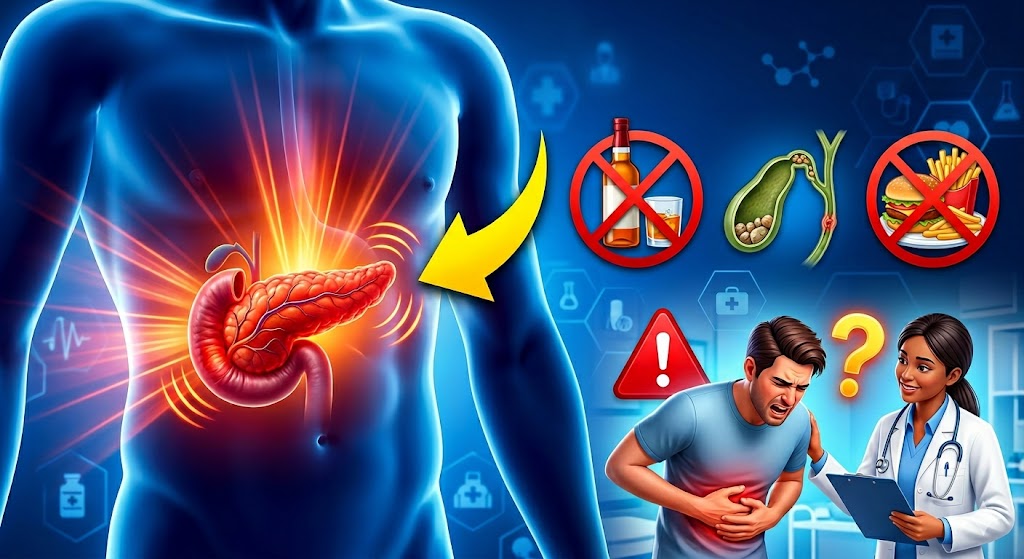
Before understanding pancreas pain location, it helps to know exactly where the organ sits in your body. The pancreas is a long, flat gland that lies horizontally behind the stomach in the upper left abdomen. It is nestled in the curve of the duodenum and extends toward the spleen on the left side. The pancreas has three main sections: the head (widest part on the right side near the duodenum), the body (middle section behind the stomach), and the tail (extending toward the spleen on the left side). Each section can produce pain in slightly different areas of the abdomen when affected by disease.
Pancreas Pain Location: Where Does It Hurt?
One of the most distinctive features of pancreas pain location is that it typically occurs in the upper middle or upper left area of the abdomen. However, the exact location can vary depending on which part of the pancreas is affected and what is causing the problem.
The classic presentation of pancreatic pain is a deep, gnawing, or burning pain in the upper abdomen — known as the epigastric region — that often radiates through to the back, specifically between the shoulder blades or in the middle back. This radiation to the back is a hallmark sign that distinguishes pancreatic pain from other forms of abdominal pain and should never be ignored.
Key characteristics of pancreas pain location include upper abdominal pain in the epigastric area just below the sternum, left-sided abdominal pain when the tail of the pancreas is involved, and radiating back pain between the shoulder blades. Pancreatic pain often intensifies fifteen to thirty minutes after eating, particularly after fatty or greasy meals. A distinctive feature is partial relief when leaning forward or curling into the fetal position, which reduces pressure on the pancreatic nerves and is a telling sign that warrants investigation.
Common Causes of Pancreas Pain
Pancreas pain can stem from a variety of conditions, ranging from temporary and mild to serious and life-threatening. Understanding the most common causes helps in identifying what might be happening and what action to take.
Acute Pancreatitis
Acute pancreatitis is a sudden inflammation of the pancreas that causes severe, rapid-onset upper abdominal pain. It is one of the most common causes of pancreas pain and a leading reason for gastroenterology hospitalizations. The two most frequent triggers are gallstones and heavy alcohol consumption, together accounting for over 80% of cases. In acute pancreatitis, digestive enzymes become activated prematurely within the pancreas and begin attacking pancreatic tissue, leading to inflammation, swelling, and intense pain. The pain is typically sudden, severe, and persistent — often described as the worst abdominal pain ever experienced — and usually requires hospitalization and medical management.
Chronic Pancreatitis
Chronic pancreatitis is long-standing inflammation of the pancreas that gradually destroys its normal tissue over time, replacing it with scar tissue. Unlike acute pancreatitis, the pain in chronic pancreatitis may be continuous or intermittent, often described as a persistent dull ache or burning pain in the upper abdomen and back. It is most commonly caused by prolonged heavy alcohol use but can also result from genetic factors, autoimmune conditions, recurring acute pancreatitis episodes, or blockages in the pancreatic ducts. Over time, it can impair both the digestive and endocrine functions of the pancreas, potentially leading to malnutrition, diabetes, and serious complications.
Gallstones
Gallstones are hardened deposits of digestive fluid that can form in the gallbladder and sometimes migrate into the bile duct. When a gallstone blocks the common bile duct or the pancreatic duct, it can trigger a bout of pancreatitis and significant upper abdominal pain. Gallstone-related pancreatic pain often comes on suddenly and is severe, sometimes accompanied by nausea, vomiting, and jaundice (yellowing of the skin and eyes). Prompt treatment is essential to prevent complications and recurrence.
Pancreatic Cancer
While less common, pancreatic cancer is one of the most serious causes of pancreas pain. Because the pancreas is deep inside the body and tumors often grow silently in early stages, pancreatic cancer is frequently not diagnosed until it is at an advanced stage. Pain from pancreatic cancer is often a dull, persistent ache in the upper abdomen or back, accompanied by unexplained weight loss, new-onset diabetes, jaundice, and changes in stool color. Any persistent, unexplained pancreas pain should be evaluated by a doctor to rule out this possibility.
Pancreatic Cysts and Pseudocysts
Pancreatic cysts are fluid-filled sacs that develop in the pancreas. Some cysts are harmless and discovered incidentally during imaging, while others can cause pain especially when they grow large enough to press on surrounding structures. Pseudocysts — which form after an episode of pancreatitis — are among the most common types and can cause lingering upper abdominal or back pain. Monitoring and sometimes drainage are required to manage these cysts appropriately.
Autoimmune Pancreatitis
Autoimmune pancreatitis (AIP) is a rare form of chronic pancreatitis caused by the immune system attacking the pancreas. It often mimics pancreatic cancer in terms of symptoms and imaging findings, making diagnosis challenging. Symptoms include upper abdominal pain, jaundice, and weight loss. Unlike most pancreatic conditions, AIP responds very well to corticosteroid therapy, making accurate diagnosis critically important.
Risk Factors That Increase Your Chance of Pancreas Problems
Certain lifestyle habits, medical conditions, and genetic predispositions can significantly increase a person's risk of developing pancreatic problems and experiencing pancreas pain. Heavy alcohol consumption is one of the leading causes of both acute and chronic pancreatitis. Gallbladder disease increases risk when stones migrate and block the pancreatic duct. Obesity and a high-fat diet raise the risk of gallstone formation and metabolic stress on the pancreas. Smoking is a significant independent risk factor for both chronic pancreatitis and pancreatic cancer — smokers are two to three times more likely to develop pancreatic cancer than non-smokers. Family history matters too, as hereditary pancreatitis caused by genetic mutations can run in families. Certain medications including some diuretics, antibiotics, and immunosuppressants have also been associated with drug-induced pancreatitis.
Associated Symptoms That Accompany Pancreas Pain
Pancreas pain rarely occurs in isolation. It is typically accompanied by a range of other symptoms that can help clinicians pinpoint the source of the problem. Nausea and vomiting are almost universally present with pancreatitis, and notably, vomiting does not relieve pancreatic pain — which helps distinguish it from other causes. A low-grade fever may accompany mild pancreatitis, while a high fever suggests serious infection or complications such as infected pancreatic necrosis or abscess formation. Jaundice occurs when bile duct obstruction is present and can happen with gallstone-associated pancreatitis or pancreatic cancer blocking the bile duct.
Bloating and abdominal distension are common due to reduced gut motility. Loss of appetite and unintentional weight loss are frequent with chronic pancreatic conditions. Pale, oily, foul-smelling stools that float in the toilet — known as steatorrhea — are a hallmark sign of exocrine pancreatic insufficiency. New-onset diabetes can result from damage to insulin-producing beta cells, particularly in cases of chronic pancreatitis or pancreatic cancer.
How Is Pancreas Pain Diagnosed?
If you are experiencing upper abdominal pain that may be of pancreatic origin, your doctor will likely order a combination of blood tests, imaging studies, and possibly endoscopic procedures to determine the cause. Blood tests measuring serum amylase and lipase are key initial tests — elevated levels three times the upper limit of normal strongly suggest pancreatitis. Abdominal ultrasound is often the first imaging study performed, particularly useful for identifying gallstones. A contrast-enhanced CT scan of the abdomen provides detailed images and is the gold standard for diagnosing acute pancreatitis and detecting complications such as pancreatic necrosis. MRI with MRCP provides excellent visualization of the pancreatic and bile ducts without radiation. Endoscopic ultrasound (EUS) provides high-resolution images from within the gastrointestinal tract and is invaluable for detecting small tumors and ductal changes. ERCP is both a diagnostic and therapeutic procedure allowing direct visualization and interventions in the bile and pancreatic ducts.
When to See a Doctor for Pancreas Pain
Not all upper abdominal pain requires emergency care, but certain warning signs should prompt you to seek immediate medical attention. Seek emergency care immediately if you experience severe, sudden-onset upper abdominal pain that does not improve with position changes or pain relievers. Also seek immediate care if you have abdominal pain accompanied by high fever, chills, and rapid heart rate — which may signal serious infection or sepsis. Vomiting blood or passing black tarry stools indicating internal bleeding is a medical emergency. Jaundice combined with abdominal pain may suggest bile duct obstruction. Signs of shock such as dizziness, fainting, pale skin, or rapid shallow breathing require emergency evaluation.
Schedule a prompt appointment with your doctor for persistent upper abdominal or back pain lasting more than a few days, unexplained weight loss of 5% or more of body weight, changes in stool character including pale or oily stools, new-onset diabetes especially in people over 50, or a history of heavy alcohol use combined with recurrent abdominal pain.
Treatment Options for Pancreas Pain
Treatment depends entirely on the underlying cause of the pancreas pain. Acute pancreatitis often requires hospitalization with intravenous fluids, pain management, bowel rest, and close monitoring — most mild cases resolve within a few days. A low-fat diet is essential for managing both acute and chronic pancreatitis, with small frequent meals and complete elimination of alcohol in alcohol-related cases. For chronic pancreatitis with exocrine insufficiency, pancreatic enzyme replacement therapy (PERT) helps improve digestion and nutrient absorption. Chronic pancreatic pain management ranges from non-narcotic analgesics to nerve blocks, endoscopic procedures, and occasionally surgery. Surgical options include procedures to remove gallstones, drain pseudocysts, bypass duct obstructions, or perform pancreatectomy in severe cases. ERCP-guided procedures can remove stones, place stents, and drain pseudocysts, often avoiding the need for open surgery.
Prevention: How to Protect Your Pancreas
Many causes of pancreas pain are preventable with the right lifestyle choices. Limiting or eliminating alcohol is the single most impactful step for pancreatic health. Quitting smoking significantly reduces the risk of chronic pancreatitis and pancreatic cancer. Maintaining a healthy weight through balanced diet and regular physical activity reduces gallstone formation and metabolic stress on the pancreas. Eating a balanced low-fat diet focused on whole grains, lean proteins, fruits, vegetables, and healthy fats minimizes risk. Staying well hydrated supports digestive health and may reduce bile concentration. Managing triglyceride levels through diet, exercise, and medication when needed is important, as very high triglyceride levels can trigger pancreatitis.
Conclusion
Pancreas pain is a serious symptom that deserves attention and proper medical evaluation. Whether you are experiencing a mild ache in your upper abdomen or a severe radiating pain that takes your breath away, understanding the pancreas pain location, its potential causes, and the associated warning signs can empower you to make timely and informed decisions about your health. The pancreas plays a central role in both digestion and metabolic regulation, and when it is under attack — whether from gallstones, alcohol, infection, or an immune disorder — the effects extend far beyond just pain.
Early diagnosis, appropriate treatment, and preventive lifestyle changes can protect your pancreatic health and significantly improve your quality of life. If you have persistent or worsening upper abdominal or back pain, do not dismiss it as an ordinary stomach ache. Speak with your healthcare provider, undergo the appropriate diagnostic workup, and take control of your pancreatic health before small problems become serious complications. Your pancreas may be hidden deep inside your body, but the signals it sends deserve to be heard and acted upon without delay.