What Are Gallstones? A Patient’s Guide to Types, Symptoms, and Trapped Bile
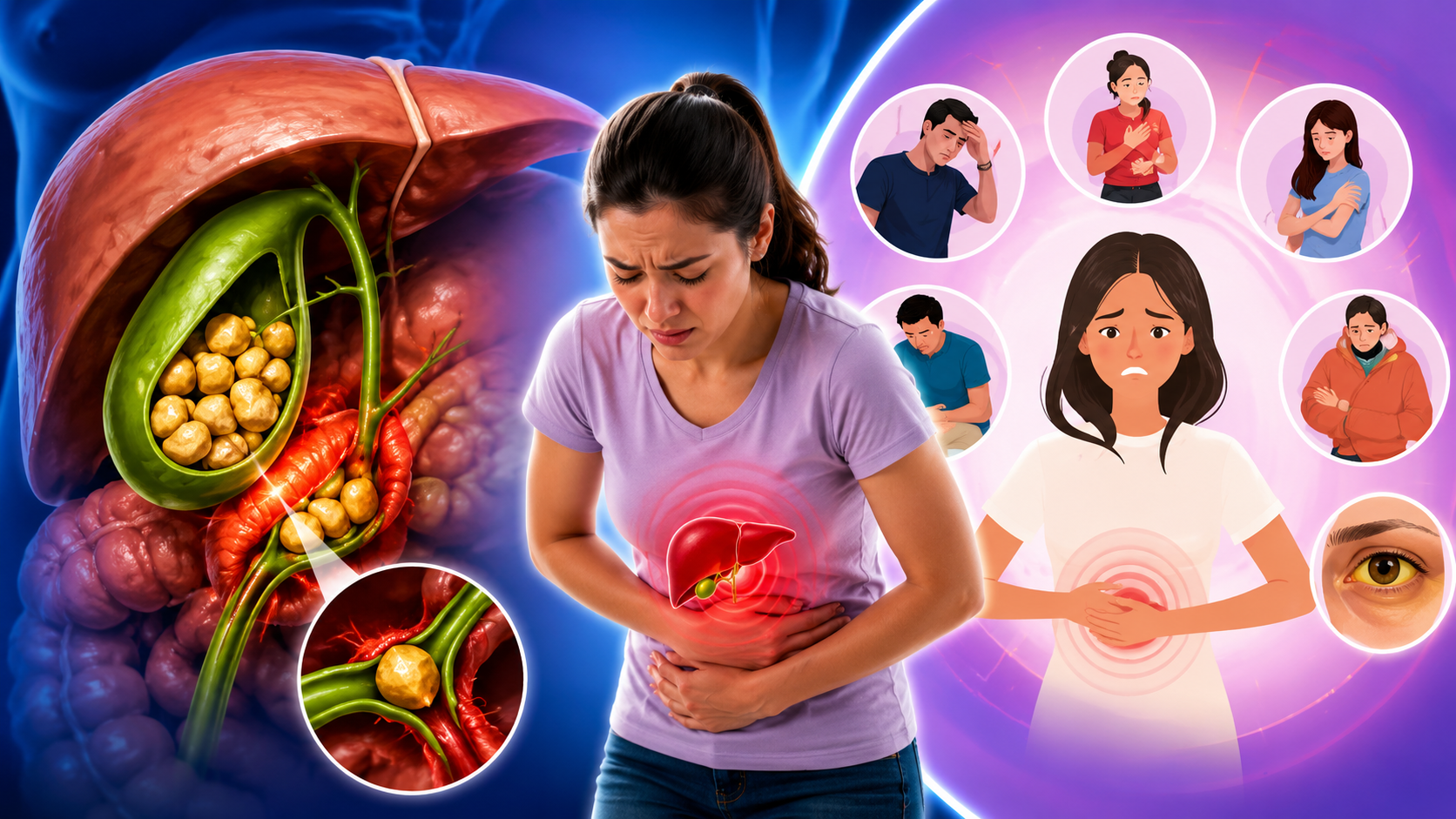
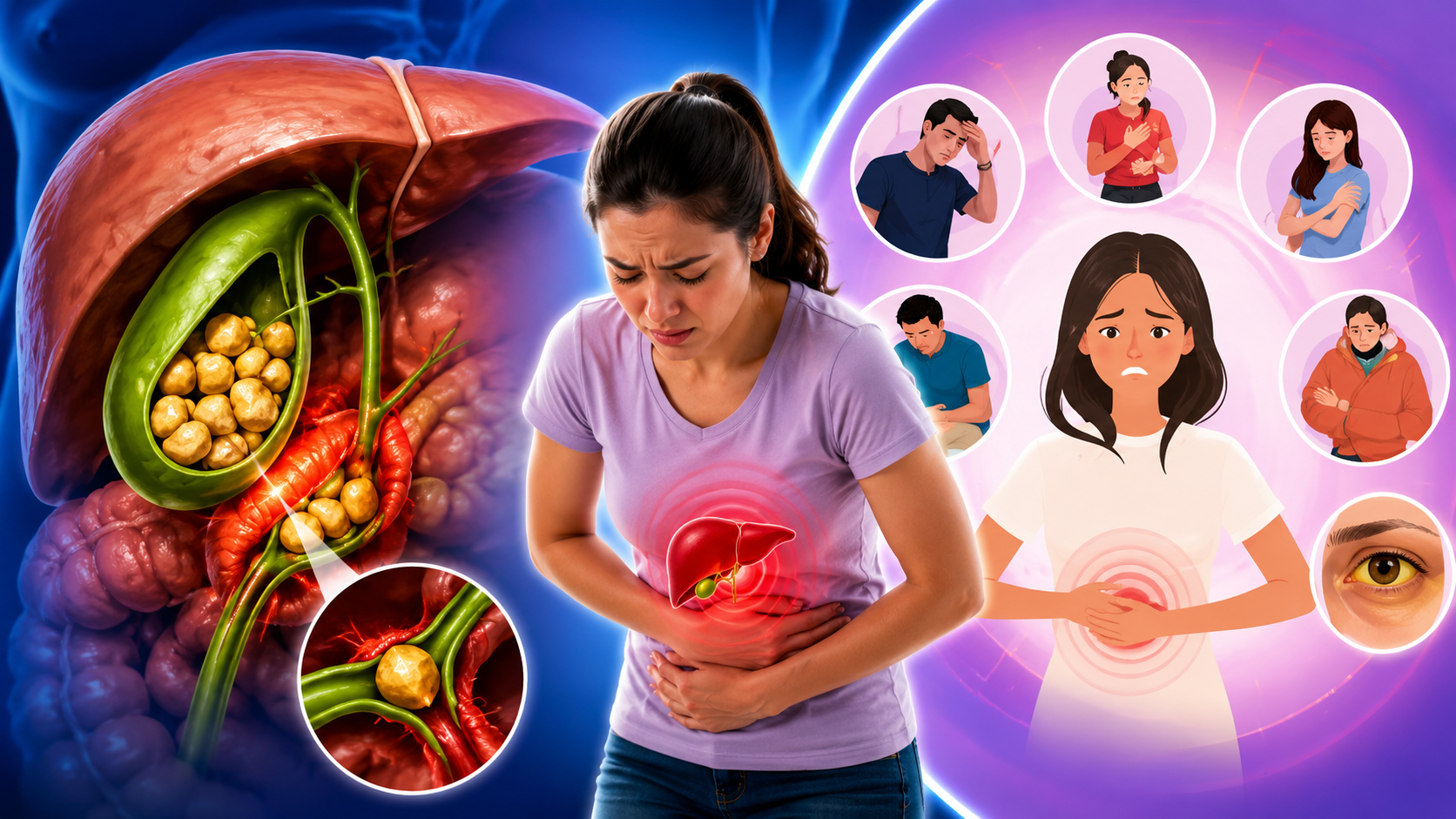
Medical Disclaimer: This article is for educational purposes only and should not replace professional medical advice, diagnosis, or treatment. Severe abdominal pain, jaundice, fever, vomiting, chest pressure, or pain lasting several hours should be evaluated promptly by a qualified healthcare professional.
Gallstones are hardened, pebble-like deposits that form inside the gallbladder when substances in bile — mainly cholesterol or bilirubin — begin to crystallize. Some remain silent for years, while others suddenly trigger severe upper abdominal pain, nausea, digestive distress, or painful nighttime attacks that wake people from sleep.
This medically reviewed guide explains what are gallstones, how they form, why some attacks happen at night, the difference between gallstones and kidney stones, the role of biliary sludge, how doctors diagnose gallbladder disease, and when symptoms may become a medical emergency.
Table of Contents
- What Are Gallstones?
- Gallstones vs. Kidney Stones
- The Two Main Types of Gallstones
- What Is Biliary Sludge?
- What Do Gallstones Feel Like?
- Why Gallstones Hurt More at Night
- Symptoms and Emergency Warning Signs
- How Gallstones Are Diagnosed
- Gallstone Treatment Options
- Recovery After Gallbladder Surgery
- Frequently Asked Questions
- Conclusion
What Are Gallstones? (The Core Definition)
Hardened Crystals in Your Digestive System
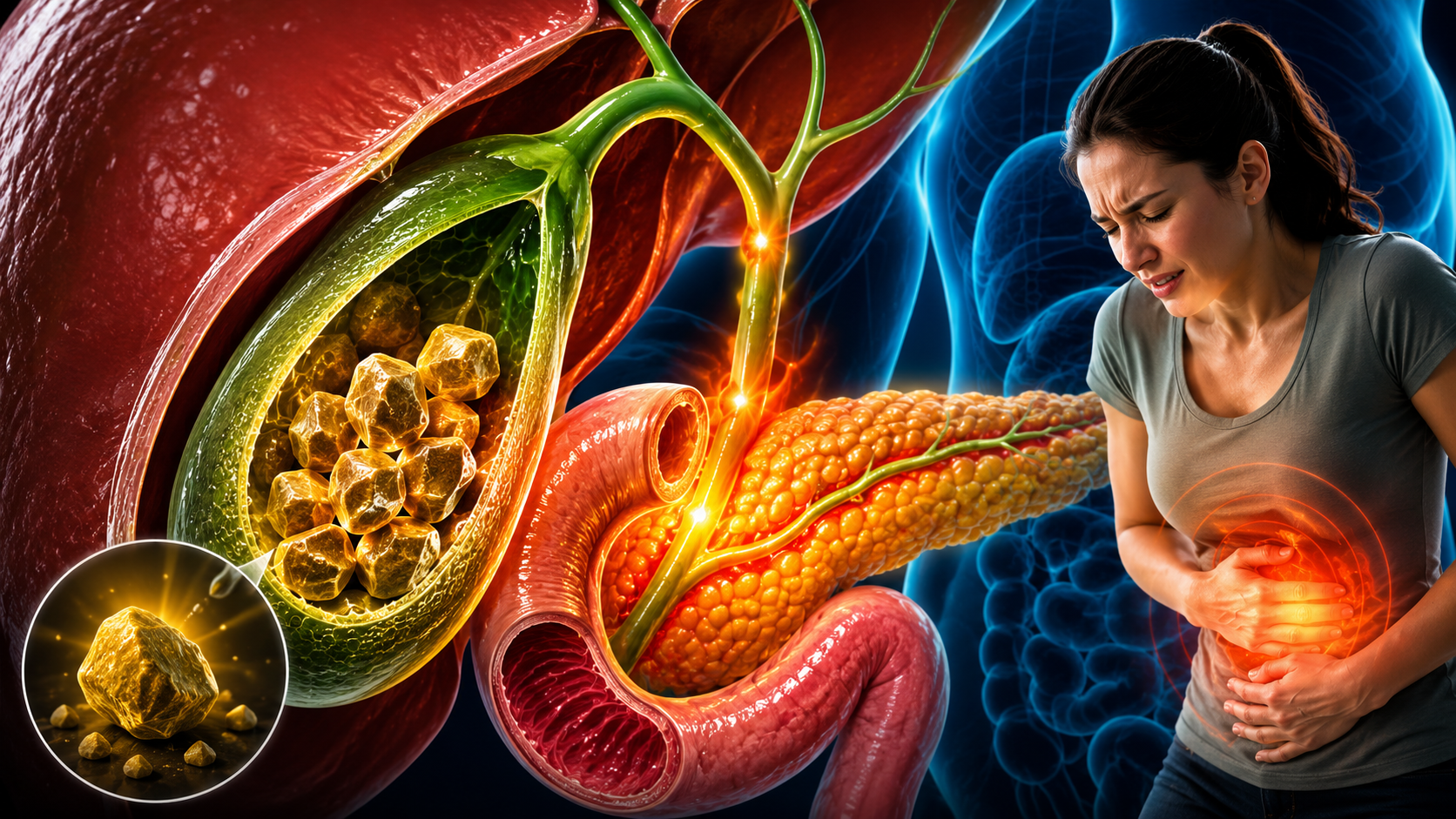
Gallstones are hardened pieces of digestive fluid that develop inside the gallbladder when chemical compounds in bile - especially cholesterol or bilirubin - solidify into crystal-like deposits. This condition is medically known as cholelithiasis.
The gallbladder is a small pear-shaped organ located beneath the liver. It stores concentrated bile fluid, which helps digest fats after meals.
Under healthy conditions, bile remains liquid. However, when bile chemistry becomes imbalanced, microscopic crystals may begin forming inside the gallbladder.
Over time, these crystals can enlarge into gallstones.
Why Bile Normally Stays Liquid
Bile is made from several substances, including:
- Cholesterol
- Bile salts
- Lecithin phospholipids
- Bilirubin
- Water
- Electrolytes
Normally, bile salts and lecithin help keep cholesterol dissolved safely inside bile.
But when cholesterol levels become too high - or when bile remains stagnant too long - crystals may begin forming.
Size, Shape, and Appearance
Gallstones vary dramatically in size and appearance.
Some are as tiny as grains of sand. Others may become as large as golf balls.
People may develop:
- One large gallstone
- Multiple medium stones
- Hundreds of tiny stones
- Thick biliary sludge
Gallstones can also vary in texture:
- Smooth
- Jagged
- Soft
- Hardened
- Pebble-like
What Do Gallstones Look Like?
Cholesterol stones are often:
- Yellow-green
- Pale tan
- Waxy or smooth
Pigment stones are usually:
- Dark brown
- Black
- Smaller and denser
Some stones float loosely inside concentrated bile fluid, while others become trapped near the gallbladder neck, infundibulum, cystic duct, or biliary tree.
The Diagnostic Clarifier: Gallstones vs. Kidney Stones
Why the Names Confuse Patients
Many patients mistakenly believe gallstones and kidney stones are related because both involve painful “stones.”
In reality, they belong to completely different organ systems.
Gallstones form inside the digestive system from bile compounds such as cholesterol and bilirubin.
Kidney stones form inside the urinary system from minerals such as calcium oxalate or uric acid.
They share no biological connection.
Understanding this difference helps explain why symptoms, treatments, and specialists are completely different.
The Comparison Matrix
| Feature | Gallstones | Kidney Stones |
| Organ System | Digestive system | Urinary system |
| Organ Involved | Gallbladder and bile ducts | Kidneys and ureters |
| Common Composition | Cholesterol or bilirubin | Calcium oxalate or uric acid |
| Typical Pain Location | Upper right abdomen | Lower back or flank |
| Pain Pattern | Steady pressure after meals | Sharp wave-like pain |
| Common Trigger | Fatty meals | Dehydration |
| Specialist | Gastroenterologist or surgeon | Urologist |
| Radiation Pattern | Shoulder blade or chest | Groin or lower abdomen |
Why Pain Location Matters
Gallstone pain usually develops beneath the right ribs or center upper abdomen.
Kidney stone pain usually begins in the flank or lower back and may radiate downward toward the groin.
This difference often helps doctors narrow down the correct diagnosis quickly.
Why Gallstones and Kidney Stones Behave Differently
Gallstones interfere with bile flow and digestion.
Kidney stones interfere with urine flow.
Gallstones are more likely to cause:
- Nausea
- Bloating
- Digestive distress
- Pain after fatty meals
Kidney stones are more likely to cause:
- Burning urination
- Blood in urine
- Urinary urgency
- Severe flank spasms
Understanding the Two Main Types of Gallstones
1. Cholesterol Gallstones (The Yellow-Green Stones)
Cholesterol gallstones account for roughly 80% of cases in developed countries. Data from digestive disease organizations such as the National Institute of Diabetes and Digestive and Kidney Diseases (NIDDK) consistently identifies cholesterol stones as the dominant gallstone subtype in Western populations.
These stones form when the liver releases more cholesterol into bile than bile salts and lecithin phospholipids can safely dissolve.
The Supersaturation Problem
When bile becomes overloaded with cholesterol:
- Crystalline cholesterol micelles destabilize
- Cholesterol precipitates from solution
- Sludge forms
- Hardened stones gradually develop
This process is sometimes called an elevated supersaturation index.
What Increases Cholesterol Stone Risk?
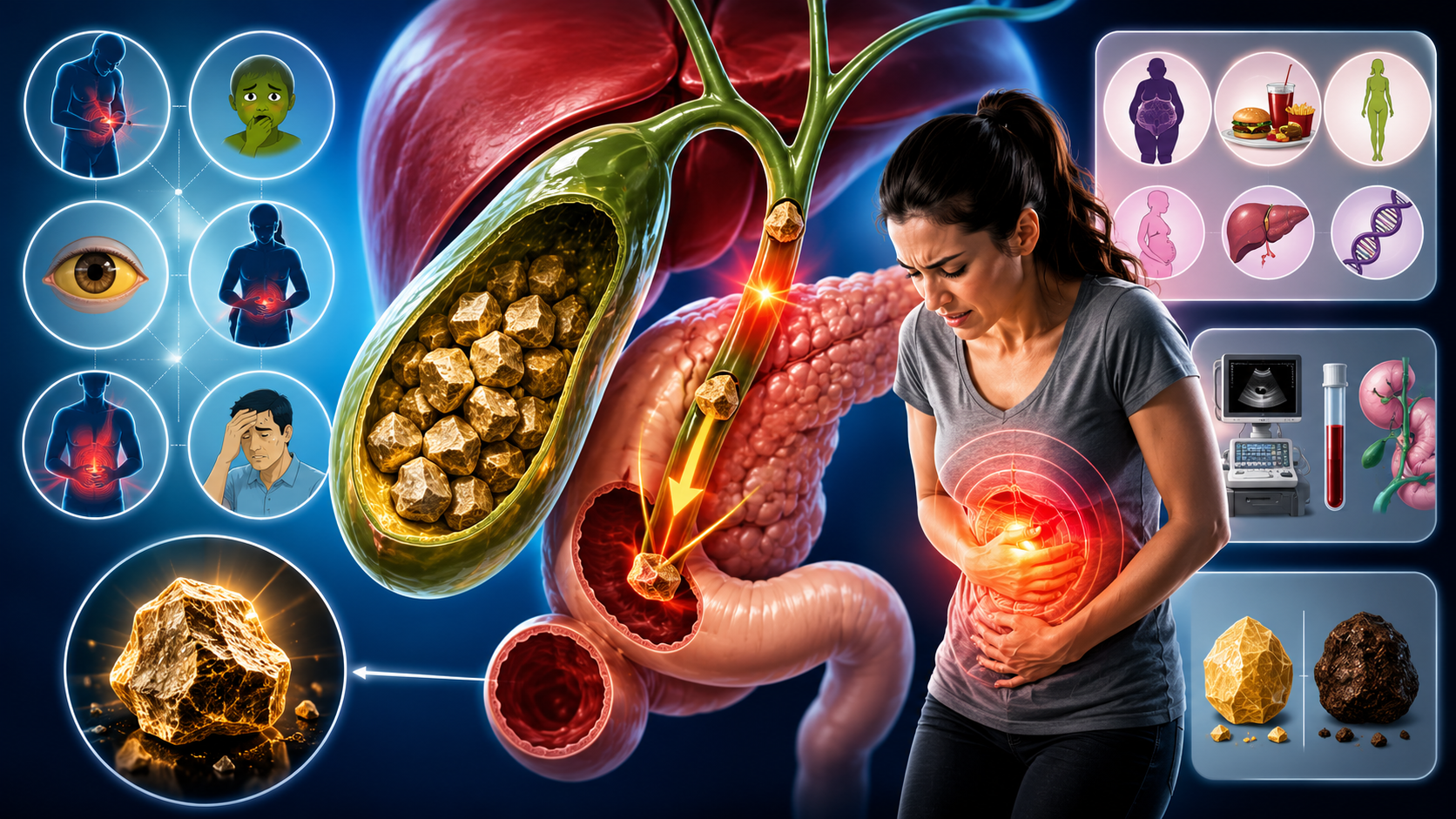
Risk factors may include:
- Obesity
- Insulin resistance
- Type 2 diabetes
- Rapid weight loss
- Pregnancy
- Estrogen exposure
- Metabolic syndrome
- Family history
The issue is not simply “eating cholesterol.” Gallstone formation is more strongly connected to bile chemistry, liver secretion patterns, and gallbladder motility.
2. Pigment Gallstones (The Dark Brown Stones)
Pigment stones are smaller, darker stones composed mainly of calcium bilirubinate.
They form when excess bilirubin accumulates inside bile.
Why Bilirubin Matters
Bilirubin is produced when old red blood cells break down.
Normally, the liver processes bilirubin safely.
However, some medical conditions increase bilirubin production excessively, allowing bilirubin to combine with calcium and form dense pigment stones.
Conditions Linked to Pigment Stones
Pigment stones may occur more often in people with:
- Cirrhosis
- Chronic liver disease
- Hemolytic anemia
- Sickle cell disease
- Leukemia
- Biliary infections
Unlike cholesterol stones, pigment stones are more strongly associated with liver disorders and blood-related conditions.
What Is Biliary Sludge (Bùn Mật) and Is It a Gallstone?
The Precursor to Crystal Formation
Biliary sludge is a thick, gelatinous mixture of:
- Cholesterol crystals
- Calcium bilirubin polymers
- Dense mucus
- Concentrated bile particles
It is often considered a “pre-gallstone” stage.
Can Biliary Sludge Disappear?
Sometimes biliary sludge clears on its own if bile flow improves.
However, if bile remains stagnant for prolonged periods, sludge may consolidate into true gallstones.
Why Bile Stasis Matters
The gallbladder normally contracts after meals to flush bile.
But bile may become stagnant during:
- Rapid weight loss
- Prolonged fasting
- Pregnancy
- Severe illness
- Very low-fat diets
- Extended hospitalization
When bile sits too long inside the gallbladder, crystals become more concentrated.
The Role of Gallbladder Motility
Gallbladder motility refers to how effectively the gallbladder contracts and empties.
Poor motility may allow:
- Crystal accumulation
- Sludge thickening
- Stone growth
- Biliary colic episodes
Symptoms: What Do Gallstones Feel Like?
Silent Gallstones vs. Active Blockages
Many gallstones cause no symptoms at all.
Doctors call this asymptomatic cholelithiasis.
Pain usually begins only when a stone temporarily blocks bile flow.
This blockage may occur in:
- The gallbladder neck
- The cystic duct
- The common bile duct
When trapped bile creates pressure inside the gallbladder, a painful attack called biliary colic may occur.
The Nighttime Attack: Why Gallstones Hurt More When You Lie Down
One of the most frightening experiences for patients is waking suddenly from sleep with severe upper abdominal pain.
Why Gallbladder Attacks Often Happen at Night
When lying flat on the back:
- Gravity may allow loose stones to drift downward
- Stones may settle near the cystic duct opening
- Bile becomes trapped
- Pressure builds inside the gallbladder
This pressure stretches the gallbladder wall and may trigger severe pain.
Why the Pain Feels Different From Gas
Gallbladder attacks usually feel:
- Deep
- Steady
- Crushing
- Pressure-like
- Unrelenting
Gas pain tends to move around and improve after passing gas or having a bowel movement.
Gallbladder attacks usually do not improve with posture changes.
Why Fatty Meals Often Trigger Attacks
Fatty foods stimulate strong gallbladder contractions.
Common triggers may include:
- Fried foods
- Pizza
- Cream sauces
- Fast food
- Heavy restaurant meals
If stones are already present, aggressive contractions may push stones into narrow bile ducts.
Standard Symptoms and Referred Pain Pathways
Common gallstone symptoms may include:
- Sudden upper right abdominal pain
- Pain after fatty meals
- Nausea
- Vomiting
- Bloating
- Indigestion
- Chest pressure
- Pain beneath the breastbone
Why Pain Travels to the Shoulder Blade
The gallbladder sits beneath the diaphragm.
Inflammation may irritate the phrenic nerve, creating referred pain into:
- The right shoulder blade
- Upper back
- Chest area
This referred pain pathway confuses many patients because the pain may initially feel muscular or cardiac rather than digestive.
Gallstone Complications: When Symptoms Become Dangerous
Gallstones may become dangerous if they obstruct major bile ducts or trigger severe inflammation.
Potential complications include:
- Choledocholithiasis (stones trapped in the common bile duct)
- Gallstone pancreatitis
- Ascending cholangitis
- Empyema of the gallbladder
- Gallbladder wall thickening
- Severe bacterial infection
Emergency Symptoms That Require Immediate Medical Care
Seek urgent medical attention if symptoms include:
- Fever
- Jaundice
- Dark urine
- Pale stools
- Persistent vomiting
- Severe pain lasting several hours
- Confusion
- Shortness of breath
Patient Note: What NOT To Do During a Suspected Emergency
Patient Note: If you experience any of these emergency warning signs, seek emergency medical care immediately. Avoid taking high doses of over-the-counter pain medications or leftover narcotic medications before evaluation, as this may temporarily mask important surgical symptoms and complicate diagnosis. Always follow instructions from licensed healthcare professionals or emergency responders.
How Are Gallstones Diagnosed?
Finding the Stones: Transabdominal Ultrasound
The most common diagnostic tool is a transabdominal ultrasound.
Ultrasound uses sound waves to visualize:
- Gallstones
- Biliary sludge
- Gallbladder wall thickening
- Dilated bile ducts
- Acoustic shadowing
Why Acoustic Shadowing Matters
Gallstones are dense structures.
When ultrasound waves strike them, they create a dark area behind the stone called an acoustic shadow.
This makes ultrasound highly reliable for detecting gallstones quickly and safely.
Blood Tests and Liver Markers
Doctors may also evaluate:
- Bilirubin levels
- Liver enzymes
- Pancreatic enzymes
- White blood cell counts
Abnormal values may suggest:
- Infection
- Bile duct obstruction
- Pancreatitis
- Liver involvement
Important Safety Note About Murphy’s Sign
Important Safety Note: Murphy’s sign should only be evaluated by a trained healthcare professional during a clinical examination. Patients should never attempt to press deeply or forcefully into their own abdomen during a painful attack, as improper pressure may worsen inflammation or potentially contribute to serious complications.
Murphy’s sign refers to worsening pain during inhalation while a clinician gently examines the right upper abdomen.
Gallstone Treatment Options
Watchful Waiting for Silent Gallstones
Most silent gallstones discovered accidentally do not require immediate surgery.
Doctors often recommend:
- Observation
- Lifestyle management
- Monitoring symptoms
This approach is called watchful waiting.
When Treatment Becomes Necessary
Treatment is more likely when gallstones cause:
- Recurrent biliary colic
- Infection
- Obstruction
- Pancreatitis
- Persistent digestive symptoms
Resolving the Problem: Cholecystectomy
The standard treatment for symptomatic gallstones is cholecystectomy, meaning surgical removal of the gallbladder.
Laparoscopic Gallbladder Surgery
Most gallbladder surgeries today are performed laparoscopically.
This minimally invasive technique uses:
- Small incisions
- Tiny cameras
- Specialized instruments
Benefits of Laparoscopic Surgery
Compared with traditional open surgery, laparoscopic procedures usually involve:
- Less postoperative pain
- Smaller scars
- Faster recovery
- Shorter hospital stays
Many patients leave the hospital within 24 hours, though recovery timelines vary depending on overall health and surgical complexity.
Recovery Timeline After Gallbladder Removal
Many people can gradually return to:
- Light activity within several days
- Office-based work within 1–2 weeks
- Full activity within several weeks
Recovery may take longer after complicated infections or open surgery.
Can You Live Without a Gallbladder?
Yes.
The liver continues producing bile after surgery.
Instead of being stored in the gallbladder, bile flows directly into the intestines continuously.
Most people eventually adapt well after recovery.
Frequently Asked Questions (FAQ)
Can gallstones pass naturally through your stool?
Very microscopic gallstones or soft biliary sludge may occasionally pass through the bile ducts unnoticed. However, true hardened gallstones usually cannot safely pass. Larger stones may become trapped inside narrow bile ducts and cause dangerous blockages requiring medical treatment.
Do silent gallstones ever need treatment?
Most silent gallstones discovered accidentally during imaging tests do not require immediate surgery. Doctors often recommend observation unless symptoms or complications develop.
How can you tell the difference between gas and a gallbladder attack?
Gas pain usually shifts around the abdomen and often improves after passing gas or having a bowel movement. Gallbladder attacks typically cause steady, severe pressure beneath the right ribs or center chest that does not improve with movement or posture changes.
Can gallstones come back after surgery?
After gallbladder removal, gallstones cannot form inside the gallbladder because the organ has been removed. However, stones may rarely develop inside bile ducts later on.
Are all gallstones dangerous?
No. Many gallstones remain silent and never cause symptoms. Problems usually occur when stones obstruct bile flow or trigger inflammation.
What foods commonly trigger gallbladder attacks?
Common triggers may include:
- Fried foods
- Heavy cream sauces
- Fast food
- Fatty meats
- Large restaurant meals
However, trigger foods vary between individuals.
Conclusion
Gallstones are hardened deposits that form when substances inside bile — especially cholesterol or bilirubin — begin crystallizing inside the gallbladder.
Although many gallstones remain silent, others may trigger severe pain, nighttime attacks, digestive symptoms, or dangerous complications involving the bile ducts and pancreas.
Understanding the difference between cholesterol stones, pigment stones, biliary sludge, and active bile duct obstruction may help patients recognize symptoms earlier and seek appropriate medical evaluation when necessary.
If symptoms become severe, persistent, or associated with fever, jaundice, vomiting, or chest pressure, prompt medical care is important.