What Causes Gallstones? The Real Reasons Your Gallbladder Forms Stones
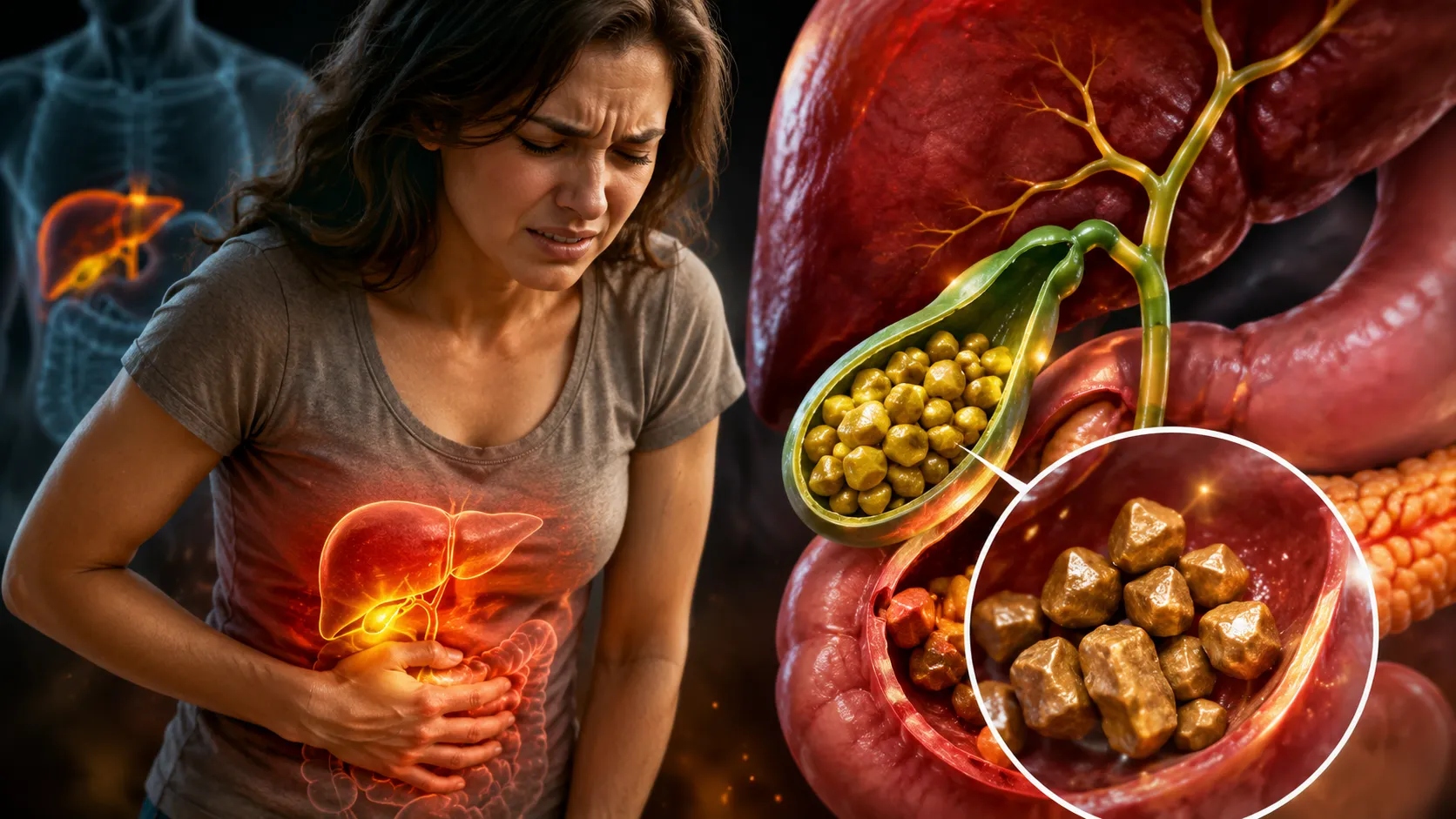
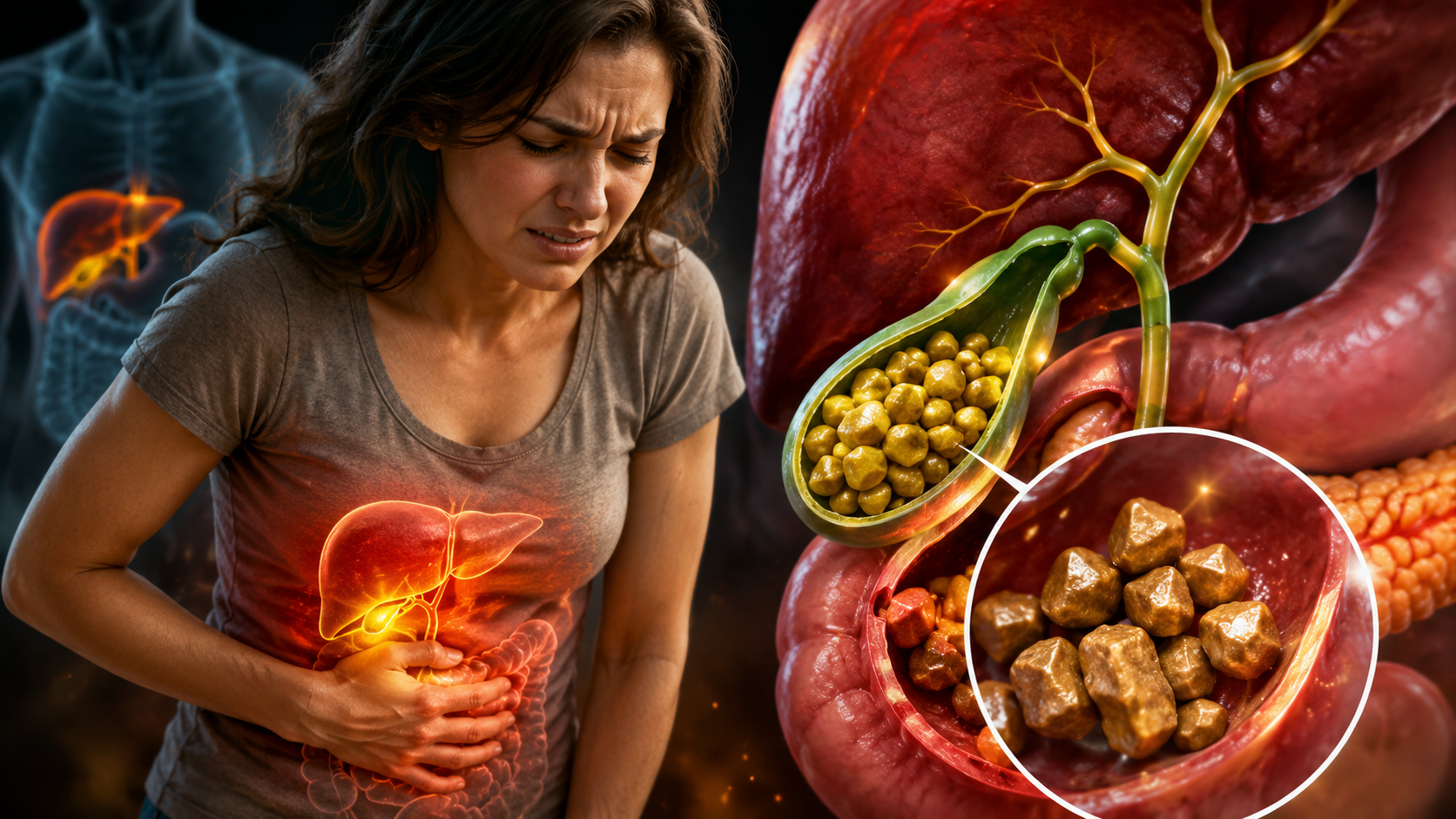
In clinical practice, many patients describe gallbladder pain as “coming out of nowhere” after a heavy meal. Some feel pressure beneath the ribs, while others experience sharp pain that spreads to the back or right shoulder. Although symptoms vary, gallstones often develop slowly over time as bile chemistry changes inside the gallbladder.
What Are Gallstones and Why Do They Form?
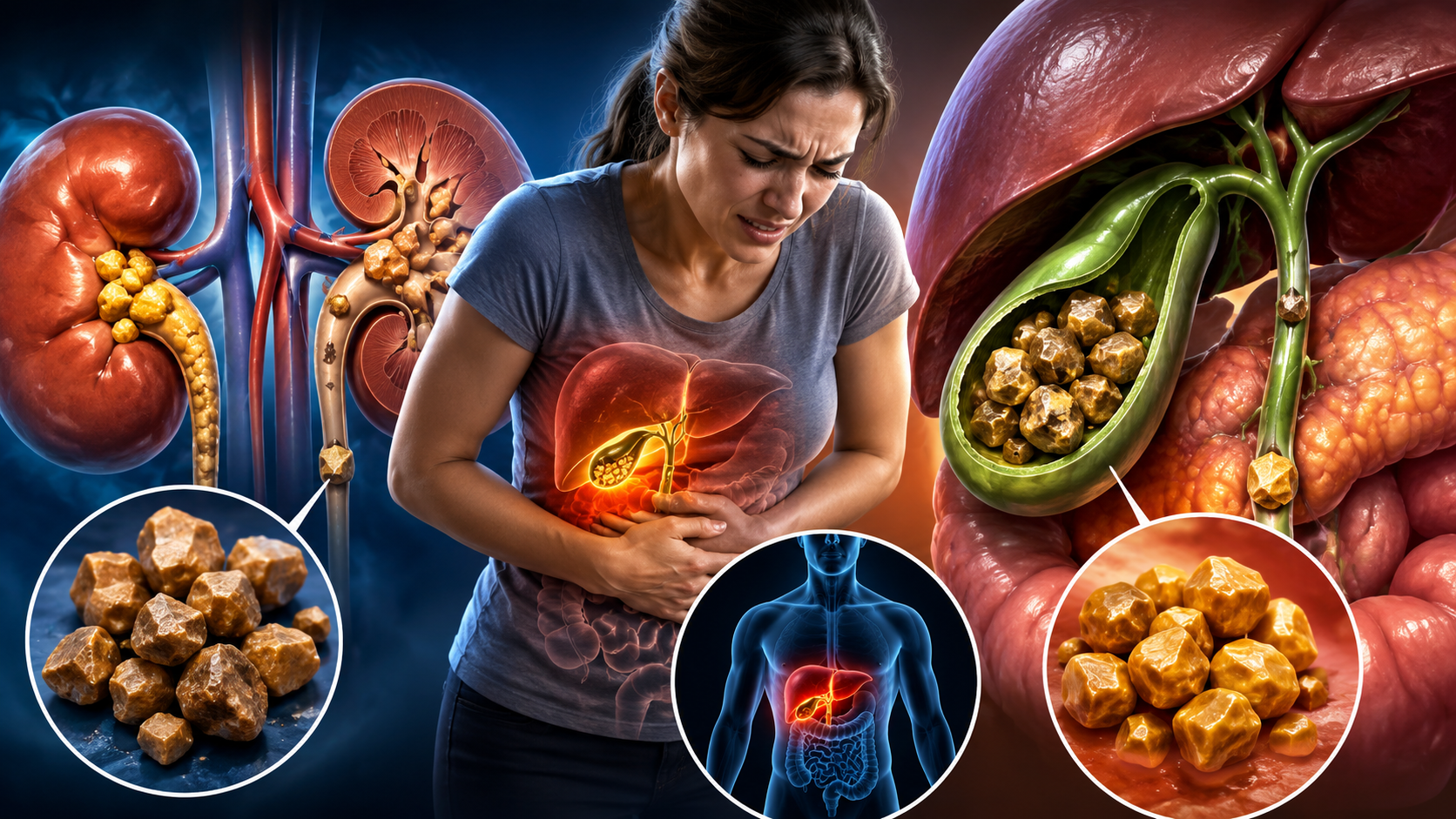
Gallstones affect millions of Americans each year and are one of the leading causes of abdominal pain related to the digestive system. While some people never develop symptoms, others may experience sudden and severe attacks that interfere with daily life.
Understanding how gallstones develop requires looking at the close relationship between the liver, gallbladder, bile ducts, hormones, metabolism, and digestive system.
In many cases, gallstones form gradually over several years before symptoms appear. Tiny crystals may silently build up inside the gallbladder until they eventually grow large enough to block the normal flow of bile.
This is why some people are completely unaware they have gallstones until an ultrasound is performed for another reason.
Gallstones can vary widely in size and number:
- Some people develop one large stone
- Others develop dozens or even hundreds of tiny stones
- Some stones remain harmless for life
- Others may suddenly move and block a bile duct
The location of the blockage often determines how serious symptoms become.
Small stones can sometimes be more dangerous than larger stones because they are more likely to travel into narrow ducts and trigger complications such as pancreatitis.
Gallstones are hardened deposits that form inside the gallbladder, a small organ located beneath the liver.
The Role of Your Gallbladder and Bile
The gallbladder acts like a storage pouch for bile, a digestive fluid produced by the liver. Bile helps the body digest fats in the small intestine, especially after meals containing oil, dairy, meat, or fried foods.
You can think of bile like dish soap breaking down grease on a plate. Without enough properly balanced bile, fat digestion becomes less efficient.
Bile contains several important substances, including:
- Cholesterol
- Bile acids
- Lecithin
- Bilirubin
- Water and electrolytes
Under healthy conditions, these substances remain balanced. But when cholesterol or bilirubin levels become too concentrated — or when bile sits too long inside the gallbladder — tiny crystals may begin forming.
Over time, those crystals can grow into gallstones.
Cholesterol vs. Pigment Stones: The Two Main Types
Cholesterol Stones
Cholesterol stones account for roughly 75% to 80% of gallstones in the United States. They are typically yellow-green and form when bile contains more cholesterol than it can dissolve.
Pigment Stones
Pigment stones are darker brown or black stones that form when bile contains excess bilirubin.
These stones are more common in people with:
- Cirrhosis
- Chronic liver disease
- Certain infections
- Hemolytic anemia and other blood disorders
The 3 Root Causes of Gallstones (The Biochemistry Made Simple)
Although gallstones may seem random, they usually develop because of predictable chemical and mechanical changes inside the digestive system.
Experts often describe gallstone formation as a multi-step process involving:
- Imbalance in bile chemistry
- Crystal formation
- Poor gallbladder emptying
- Progressive stone growth over time
The process may begin silently years before symptoms appear.
The gallbladder and liver constantly work together to regulate bile composition. Even small changes in cholesterol metabolism, hormones, weight, gut bacteria, or inflammation can gradually alter this balance.
Understanding these mechanisms may help explain why gallstones are strongly linked to metabolic health, obesity, diabetes, and rapid weight changes.
Most gallstones develop because of three major biological problems.
1. Your Liver Secretes Too Much Cholesterol
The liver naturally releases cholesterol into bile. Problems begin when the liver releases more cholesterol than bile acids and lecithin can safely dissolve.
Excess cholesterol can harden into microscopic crystals. Over time, those crystals may stick together and form stones.
This process is more common in people with:
- Obesity
- Insulin resistance
- Type 2 diabetes
- Metabolic syndrome
2. Your Bile Contains Too Much Bilirubin
Bilirubin is a yellow-orange waste product created when old red blood cells break down.
Normally, the liver processes bilirubin and removes it through bile. However, some medical conditions increase bilirubin production faster than the body can clear it.
Examples include:
- Cirrhosis
- Chronic liver inflammation
- Hemolytic anemia
- Certain biliary infections
Excess bilirubin can contribute to pigment stone formation.
3. Your Gallbladder Doesn't Empty Correctly (Bile Stasis)
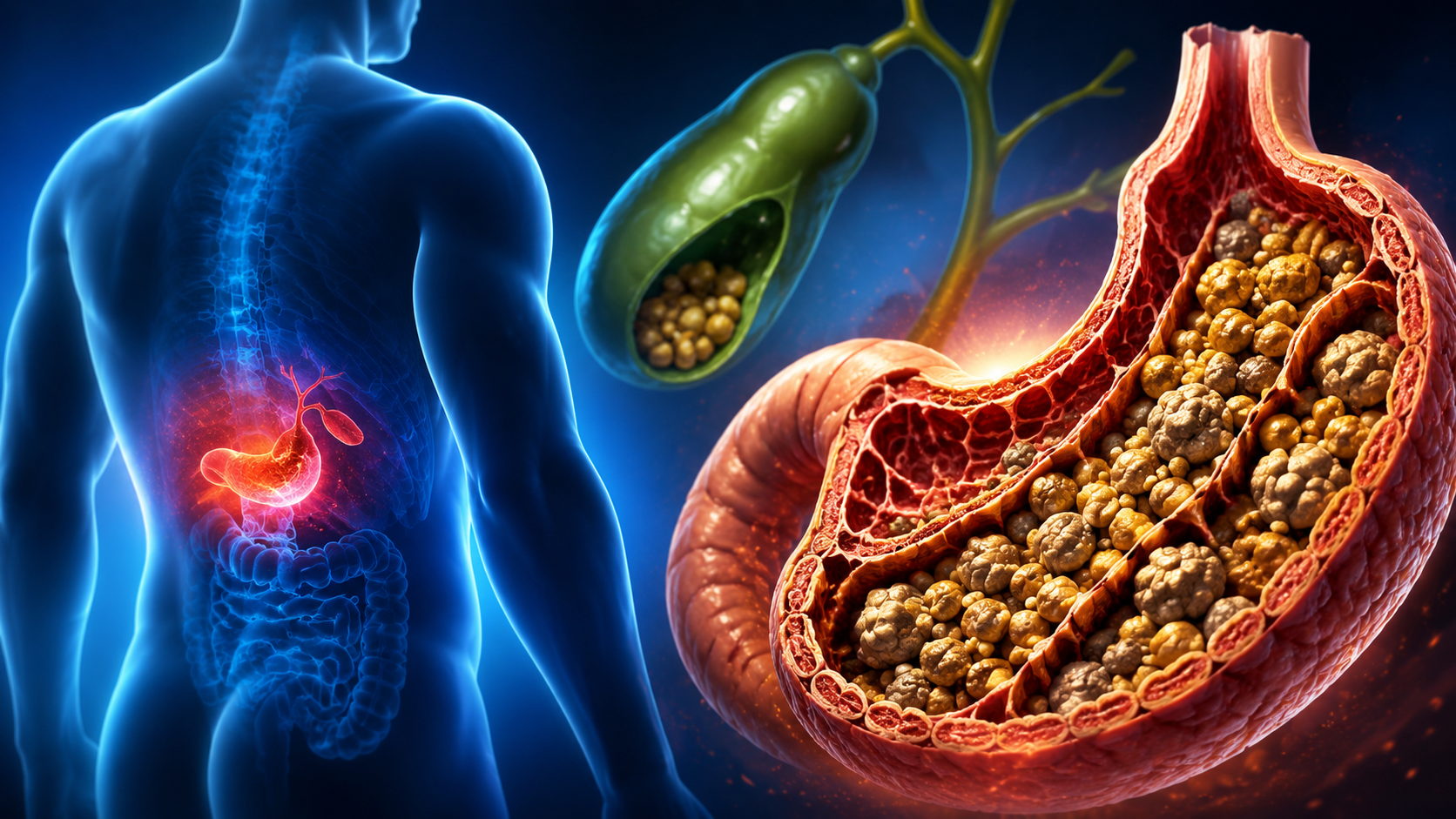
A healthy gallbladder squeezes bile into the digestive tract after meals.
When the gallbladder does not empty fully or regularly, bile may become stagnant and overly concentrated. This process is called bile stasis.
Over time, stagnant bile increases the risk of crystal formation, biliary sludge, and gallstones.
Hormones such as estrogen and progesterone may also slow gallbladder emptying, which partly explains why gallstones are more common during pregnancy.
Unexpected Triggers: Rapid Weight Loss and Dieting
Rapid weight loss is one of the lesser-known causes of gallstones.
Why Crash Diets Backfire on Your Gallbladder
When people lose weight too quickly, the body rapidly breaks down stored fat. This may force the liver to release additional cholesterol into bile.
At the same time, very low-calorie diets and prolonged fasting can reduce normal gallbladder contractions.
One reason involves a digestive hormone called cholecystokinin (CCK). Normally, eating fat stimulates CCK release, which signals the gallbladder to squeeze bile into the small intestine.
During crash dieting or prolonged fasting, less CCK is released because very little fat enters the digestive tract. As a result, the gallbladder may not empty effectively, allowing bile to remain stagnant.
Many healthcare professionals recommend gradual weight loss instead of aggressive dieting whenever possible.
Bariatric Surgery and Gallstone Risks
Gallstones are relatively common after bariatric surgery because of rapid post-surgical weight loss.
Some physicians prescribe ursodeoxycholic acid temporarily after surgery to help reduce gallstone formation risk in selected patients. Recommendations may vary depending on the patient’s medical history and surgical procedure.
Gallstone Risk Factors: Who Is Most Vulnerable?
Gallstones can affect almost anyone, but some populations are significantly more likely to develop them.
Research suggests that gallstone disease becomes more common with age, particularly after age 40. Hormonal changes, insulin resistance, and shifts in cholesterol metabolism all appear to play important roles.
Family history is also important. If close relatives have experienced gallstones or gallbladder surgery, your own risk may be higher.
Genetics may influence:
- How the liver processes cholesterol
- How bile acids are produced
- Gallbladder movement and emptying
- Inflammatory responses within the biliary system
Environmental and dietary habits can further increase risk over time.
Some gallstone risks are related to genetics and hormones, while others are linked to lifestyle patterns.
The "Biological" Risks You Can't Control
Medical students have historically used the “4 Fs” to remember common gallstone risk factors:
- Female
- Forty
- Fertile
- Fat (overweight)
Although simplified and somewhat outdated, this phrase reflects real hormonal and metabolic trends seen in gallstone disease.
Additional non-modifiable risk factors include:
- Family history of gallstones
- Pregnancy
- Older age
- Native American ancestry
- Mexican-American ancestry
Research has shown that some Indigenous populations in North America experience significantly higher gallstone rates, likely because of genetic differences affecting cholesterol metabolism.
The "Lifestyle" Risks You Can Control
Certain daily habits and health conditions may increase risk over time.
These include:
- Sedentary lifestyle
- Diets high in refined carbohydrates
- Low-fiber diets
- Obesity
- Poor metabolic health
- Rapid weight cycling
Maintaining regular meal patterns and moderate physical activity may support healthier gallbladder function.
Is It a Gallbladder Attack or Just Bad Indigestion?
Gallbladder symptoms can sometimes resemble acid reflux, indigestion, stomach ulcers, or even cardiac symptoms.
Symptoms of a Blocked Bile Duct
When a gallstone temporarily blocks the common bile duct or cystic duct, symptoms may appear suddenly.
Common symptoms include:
- Sharp pain in the upper right abdomen
- Pain after fatty meals
- Pain spreading to the back or right shoulder
- Nausea or vomiting
- Bloating or pressure beneath the ribs
This pain is often called biliary colic.
Warning Signs That Need Immediate Medical Attention
Seek urgent medical care immediately if abdominal pain occurs with:
- Fever or chills
- Yellow skin or eyes (jaundice)
- Pale or clay-colored stool
- Dark urine
- Persistent vomiting
- Severe pain lasting several hours
These symptoms may indicate complications such as:
- Cholecystitis
- Choledocholithiasis
- Cholangitis
- Pancreatitis
Gallbladder Pain vs. Stomach Pain: Comparison Table
| Condition | Common Pain Location | Typical Trigger | Other Symptoms |
| Gallbladder attack | Upper right abdomen | Fatty meals | Nausea, shoulder pain |
| GERD / acid reflux | Center chest or upper stomach | Lying down, spicy foods | Burning sensation |
| Stomach ulcer | Upper middle abdomen | Empty stomach or NSAID use | Gnawing discomfort |
Important: Symptoms can overlap and sometimes mimic serious conditions, including heart problems or pancreatitis. Ultrasound imaging and medical evaluation are usually needed for an accurate diagnosis. Self-diagnosis at home may be unsafe.
How to Keep Your Gallbladder Healthy (Prevention Tips)
While not every case of gallstones can be prevented, long-term digestive and metabolic health may significantly influence risk.
The goal is not to completely avoid dietary fat or follow restrictive cleanses. In fact, extremely restrictive eating patterns may sometimes increase gallstone risk.
Instead, most digestive health specialists encourage sustainable habits that support:
- Healthy cholesterol metabolism
- Regular gallbladder contractions
- Stable body weight
- Healthy gut microbiome balance
- Lower systemic inflammation
Prevention strategies are especially important for people with obesity, diabetes, family history of gallstones, or recent rapid weight loss.
Not all gallstones can be prevented, but certain lifestyle habits may help lower risk.
The Right Way to Eat for Gallbladder Health
A balanced eating pattern may support healthier bile composition and regular gallbladder emptying.
Dietary habits commonly associated with gallbladder health include:
- Eating approximately 25–30 grams of fiber daily
- Choosing whole grains, beans, vegetables, and fruits
- Including healthy fats such as olive oil, nuts, and avocado in moderation
- Avoiding extreme dieting or prolonged fasting
Soluble fiber may help bind bile acids in the intestine. This process may encourage the liver to use cholesterol stores more efficiently, potentially lowering cholesterol concentration in bile.
The Gut Microbiome Connection
Researchers are increasingly studying the relationship between the gut microbiome, bile acids, and gallstone formation.
Certain gut bacteria help convert primary bile acids into secondary bile acids through enzymes such as 7-alpha-dehydroxylase.
When the gut microbiome becomes imbalanced, bile acid metabolism may also change. Some researchers believe this disruption in the gut-liver axis could contribute to bile imbalance and stone formation in certain individuals.
Although research is still evolving, scientists continue exploring how gut health may influence liver and gallbladder function.
Frequently Asked Questions (FAQ)
Can drinking olive oil and lemon juice flush out gallstones?
No. “Gallbladder flushes” are not supported by strong medical evidence.
The lumps people sometimes pass afterward are typically not true gallstones. In some cases, these flushes may trigger a painful gallbladder attack if a stone becomes lodged in a bile duct.
Can stress cause gallstones?
Stress does not directly create gallstones. However, chronic stress may influence digestion, gut motility, and gallbladder emptying patterns.
Over time, these changes could potentially contribute to bile stasis in some individuals.
Can you have gallstones and never know it?
Yes. Many people have asymptomatic or “silent” gallstones that never cause symptoms.
Treatment is often unnecessary unless stones begin causing pain, inflammation, infection, or bile duct obstruction.
Additional Medical Conditions Linked to Gallstones
Certain health conditions may increase the likelihood of gallstone formation by changing bile composition, digestion, or gallbladder function.
Diabetes and Insulin Resistance
People with insulin resistance and type 2 diabetes appear to have higher rates of cholesterol gallstones.
High insulin levels may increase cholesterol secretion into bile while also affecting gallbladder motility.
Diabetes can additionally slow nerve signaling involved in digestion, which may reduce normal gallbladder emptying.
Liver Disease and Cirrhosis
The liver plays a direct role in producing bile.
When liver function becomes impaired because of cirrhosis or chronic inflammation, bilirubin metabolism may become abnormal. This increases the likelihood of pigment stone formation.
Pregnancy and Hormonal Changes
Pregnancy increases gallstone risk for several reasons.
Hormones such as estrogen can raise cholesterol concentration in bile, while progesterone may reduce gallbladder contractions.
This combination can create the ideal conditions for bile stasis and stone formation.
Some women develop temporary biliary sludge during pregnancy that later resolves after delivery.
Medications That May Influence Gallstone Risk
Certain medications have been associated with increased gallstone formation risk in some individuals.
Examples may include:
- Estrogen-containing hormone therapy
- Certain cholesterol-lowering medications
- Ceftriaxone (in some cases)
- Rapid weight-loss medications when combined with severe caloric restriction
Patients should never stop prescribed medication without speaking to a healthcare professional.
How Gallstones Are Diagnosed
Healthcare professionals typically diagnose gallstones using imaging tests and symptom history.
Ultrasound: The Most Common Test
Abdominal ultrasound is usually the first imaging test used to detect gallstones.
Ultrasound can help identify:
- Gallstones
- Gallbladder inflammation
- Thickened gallbladder walls
- Bile duct enlargement
- Biliary sludge
The test is painless and does not involve radiation.
Blood Tests
Doctors may order blood tests to look for signs of:
- Infection
- Liver inflammation
- Bile duct blockage
- Pancreatitis
Abnormal bilirubin or liver enzyme levels may suggest a stone is blocking bile flow.
Additional Imaging
In some cases, healthcare professionals may recommend:
- CT scans
- MRI or MRCP imaging
- Endoscopic ultrasound
- ERCP procedures
These tests are typically used when complications or bile duct stones are suspected.
Common Treatments for Gallstones
Treatment depends on whether gallstones are causing symptoms.
Silent Gallstones
Most asymptomatic gallstones do not require treatment.
Many people live their entire lives without symptoms.
Medications
In selected situations, medications such as ursodeoxycholic acid may help dissolve small cholesterol stones.
However, medication therapy may take months or years and is not appropriate for all types of stones.
Gallbladder Removal Surgery (Cholecystectomy)
Surgical removal of the gallbladder is one of the most common treatments for symptomatic gallstones.
Most procedures are performed laparoscopically using small incisions.
Many people recover well and continue digesting food normally after surgery, although some may temporarily notice bloating or changes in bowel habits.
Conclusion
Understanding what causes gallstones starts with understanding how bile, cholesterol, bilirubin, hormones, and gallbladder movement work together.
Gallstones often form when bile becomes chemically unbalanced or remains stagnant for too long. Risk factors such as obesity, rapid weight loss, pregnancy, metabolic syndrome, genetics, and digestive health may all contribute.
Although gallstones can become painful or serious, many people successfully manage their condition with medical guidance, balanced nutrition, and timely treatment when necessary.
If you experience persistent upper abdominal pain or symptoms that suggest a gallbladder attack, consult a qualified healthcare professional for proper evaluation.
Meta Description: What causes gallstones? Learn how cholesterol imbalance, bile stasis, rapid weight loss, hormones, and digestive health contribute to gallstones, symptoms, and prevention tips.