Chronic Renal Failure: Understanding End-Stage Kidney Disease, Treatment Options, and What to Expect
What Is Chronic Renal Failure?
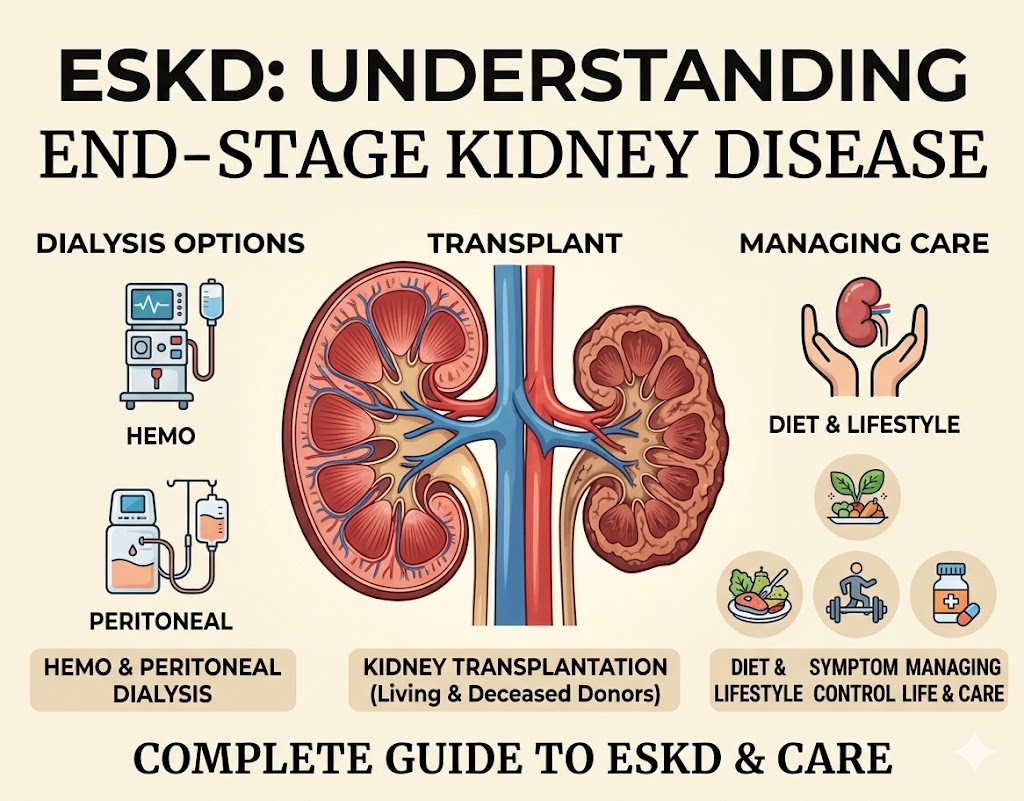
Chronic renal failure — also known as end-stage kidney disease (ESKD) or Stage 5 chronic kidney disease (CKD) — represents the most advanced stage of progressive kidney damage, where the kidneys have permanently lost the vast majority of their functional capacity. At this stage, the kidneys' glomerular filtration rate (GFR) has fallen below 15 mL/min/1.73m², meaning they are functioning at less than 15% of normal capacity. Without life-sustaining treatment — either dialysis or kidney transplantation — chronic renal failure is fatal.
The term "chronic" distinguishes this condition from acute kidney injury (AKI), which is a sudden, potentially reversible decline in kidney function. Chronic renal failure develops gradually over years to decades, most commonly as the endpoint of poorly controlled diabetes mellitus, long-standing hypertension, chronic glomerulonephritis, polycystic kidney disease, or other forms of chronic kidney disease. The transition from moderate CKD to end-stage disease can be gradual and insidious, with patients sometimes not fully appreciating how compromised their kidney function is until they develop severe symptoms.
According to the United States Renal Data System (USRDS), approximately 130,000 people in the United States begin renal replacement therapy (dialysis or transplant) each year, and over 800,000 Americans are currently living with end-stage kidney disease. Globally, the number of people receiving dialysis is approximately 3.5 million, with projections suggesting this will double by 2030 as the global prevalence of diabetes and hypertension continues to rise. Understanding chronic renal failure — its causes, its trajectory, its symptoms, and its treatment — is of enormous public health importance.

How Chronic Kidney Disease Progresses to Renal Failure
The progression from healthy kidney function to chronic renal failure follows a well-established pathophysiological pathway, though the rate of progression varies enormously between individuals and underlying causes. Understanding this progression helps explain why kidney disease can remain silent for so long and why early intervention is so critical.
In the early stages of CKD (Stages 1–2), the glomerular filtration rate is still above 60 mL/min. Despite underlying kidney damage, the remaining healthy nephrons (the functional units of the kidney) undergo adaptive hypertrophy — they enlarge and increase their filtration rate to compensate for those that have been destroyed. This hyperfiltration allows overall kidney function to remain remarkably well-preserved even when 50–60% of nephron mass has been lost. The tradeoff is that hyperfiltration itself gradually damages the surviving nephrons through increased mechanical stress and metabolic demand.
As disease advances into Stage 3 (eGFR 30–59 mL/min) and beyond, the compensatory reserve is exhausted and the GFR begins to decline more rapidly. The pace of this decline — typically measured in mL/min/year — is influenced by the underlying cause, blood pressure control, proteinuria levels, blood sugar control in diabetics, and modifiable lifestyle factors. Without intervention, untreated diabetic nephropathy can progress from diagnosis to ESKD in as few as 5–10 years. With optimal treatment, progression may be slowed to the point that many patients die of cardiovascular disease before ever requiring dialysis.
The final common pathway to kidney failure involves extensive glomerulosclerosis (scarring of the filtering units), tubular atrophy (death of the tubular cells that fine-tune the urine composition), and interstitial fibrosis (replacement of functional kidney tissue with scar tissue). At Stage 5, the kidney is small, shrunken, and scarred — a reflection of the extensive nephron loss that has occurred over years. For a comprehensive overview of symptoms at each stage of CKD, our dedicated symptom guide provides detailed information.
Symptoms of Chronic Renal Failure
The symptoms of chronic renal failure are the culmination of all the metabolic, hormonal, and homeostatic disruptions that occur as kidney function approaches zero. While early CKD is largely asymptomatic, Stage 5 kidney disease produces the full syndrome of uremia — a condition so named from the Latin for "urine in the blood." Virtually every organ system in the body is affected.
Constitutional symptoms are pervasive and often dominate the clinical picture. Profound fatigue and weakness result from anemia (the kidneys no longer produce sufficient erythropoietin), accumulation of uremic toxins that impair cellular metabolism, malnutrition, and the psychological burden of serious illness. Many patients describe being unable to walk more than short distances, struggling to complete basic activities of daily living, and sleeping excessively. This fatigue is qualitatively different from ordinary tiredness — it is deep, unrefreshing, and resistant to rest.
Gastrointestinal symptoms are among the most prominent and disabling features of uremia. Persistent nausea, vomiting, loss of appetite (anorexia), and early satiety make eating difficult and lead to significant weight loss and malnutrition. Uremic gastritis, inflammation of the stomach lining caused by uremic toxins, can cause upper abdominal pain and gastrointestinal bleeding. Hiccups — caused by irritation of the diaphragm by uremic toxins — can be persistent and exhausting. The characteristic uremic breath (fetor hepaticus uremia), with an ammonia-like odor, results from the breakdown of elevated blood urea by oral bacteria.
Neurological manifestations include uremic encephalopathy (confusion, disorientation, difficulty concentrating), peripheral neuropathy (numbness, tingling, and burning in the hands and feet), restless legs syndrome, and ultimately, in untreated severe uremia, seizures and coma. Asterixis — a "flapping tremor" visible when the patient extends their hands with wrists cocked back — is a classic sign of metabolic encephalopathy and indicates severe uremia. Muscle cramps, particularly nocturnal leg cramps, are extremely common and can be severely disabling.
Diagnosing Chronic Renal Failure
The diagnosis of chronic renal failure is made when laboratory findings confirm persistently very low GFR (below 15 mL/min) over at least three months. The diagnostic workup is aimed at confirming the diagnosis, identifying the underlying cause, assessing the severity of complications, and planning appropriate treatment.
Blood tests are the cornerstone of diagnosis. Serum creatinine and cystatin C are used to calculate the estimated GFR. Elevated blood urea nitrogen (BUN) reflects protein catabolism and urinary nitrogen retention. Electrolyte panels reveal the characteristic abnormalities of kidney failure: hyperkalemia (elevated potassium), hyperphosphatemia (elevated phosphate), hypocalcemia (low calcium), metabolic acidosis (low bicarbonate), and hyponatremia (low sodium). Complete blood count reveals the normocytic normochromic anemia of kidney disease — reduced hemoglobin with normal cell size and color, reflecting EPO deficiency. Elevated parathyroid hormone (PTH) levels indicate secondary hyperparathyroidism.
Urine tests, while limited in advanced CKD, may still show proteinuria and abnormal urinary sediment (casts, red blood cells, or white blood cells) that point to the underlying cause. Imaging studies — primarily renal ultrasound — typically show bilaterally small, echogenic kidneys with cortical thinning in end-stage disease, though some causes like polycystic kidney disease and diabetic nephropathy may present with normal-sized or enlarged kidneys. Kidney biopsy is less commonly performed at the ESKD stage but may be indicated in specific circumstances where the underlying diagnosis remains unclear and would influence treatment decisions.

Hemodialysis: How It Works and What to Expect
Hemodialysis is the most widely used form of renal replacement therapy worldwide. It involves connecting the patient's circulation to an external machine — the hemodialysis machine — which acts as an artificial kidney, removing waste products, excess fluid, and electrolytes from the blood through a process of diffusion and ultrafiltration across a semi-permeable membrane (the dialyzer, or artificial kidney).
For hemodialysis to work, a reliable vascular access point must be created — a way to remove and return blood at sufficient flow rates (typically 300–500 mL/min) for the process to be effective. The ideal vascular access is an arteriovenous (AV) fistula — a surgical connection between an artery and a vein, usually in the forearm or upper arm. An AV fistula takes 6–8 weeks to mature after surgical creation, and the dialysis team will typically begin planning access creation 6–12 months before dialysis is anticipated to be needed. When a fistula is not possible, an AV graft (using a synthetic tube) or a central venous catheter may be used — catheters are associated with higher rates of infection and should be a temporary measure.
A standard hemodialysis schedule consists of three sessions per week, each lasting 3.5–4.5 hours, most commonly performed at an outpatient dialysis center. During each session, the patient sits in a reclining chair while blood is pumped from the access site through the dialyzer, cleaned, and returned to the body. The process is generally painless, though patients may experience fatigue, muscle cramps, nausea, or low blood pressure (hypotension) during or after sessions, particularly in the early weeks as the body adjusts. Home hemodialysis — performed daily or every other day in the comfort of the patient's home — is associated with better outcomes and quality of life for appropriate candidates, though it requires training and caregiver support.
While hemodialysis effectively removes toxins and fluid, it is an imperfect substitute for normal kidney function. It cannot replicate all the kidneys' metabolic and hormonal functions (EPO production, vitamin D activation, blood pressure regulation), which must be addressed with medications. Dietary restrictions remain necessary even on dialysis: phosphorus, potassium, sodium, and fluid intake must be limited. Despite these limitations, hemodialysis has transformed kidney failure from a universally fatal condition to a manageable, albeit demanding, chronic illness.
Peritoneal Dialysis: The Home-Based Alternative
Peritoneal dialysis (PD) is the second major modality of dialysis, using the patient's own abdominal lining (the peritoneum) as the dialysis membrane. A flexible catheter is surgically placed into the abdominal cavity. Dialysate — a cleansing fluid — is introduced through the catheter, allowed to dwell in the abdomen for a defined period during which waste products and excess water diffuse from the blood into the dialysate, and then drained out and replaced with fresh dialysate.
The primary advantage of peritoneal dialysis is that it can be performed at home — and even during sleep, with an automated cycler machine. Continuous ambulatory peritoneal dialysis (CAPD) involves 4–5 manual exchanges per day, while automated peritoneal dialysis (APD) uses a machine to perform exchanges overnight. PD more closely mimics the continuous nature of normal kidney function compared to intermittent hemodialysis, which may translate to better preservation of residual kidney function in the early years of dialysis. It also avoids the need for vascular access, which is advantageous for patients with poor veins or cardiovascular disease.
Peritoneal dialysis carries specific risks, most notably peritonitis — infection of the peritoneal cavity — which is the leading complication of PD. Recurrent peritonitis can lead to scarring and thickening of the peritoneum, eventually rendering it unsuitable for dialysis. Patient selection and education are critical for success with PD. Not all patients are suitable candidates — obesity, prior abdominal surgery with extensive adhesions, and inability to perform the required exchanges are contraindications. For motivated patients, PD offers a significant quality-of-life advantage through greater independence and flexibility.
Kidney Transplantation: The Optimal Treatment for Eligible Patients
Kidney transplantation is widely considered the gold standard treatment for chronic renal failure in eligible patients. A successful kidney transplant offers better survival, better quality of life, and greater freedom from the constraints of dialysis compared to any form of dialysis therapy. The transplanted kidney — either from a living donor or a deceased donor — takes over the filtering functions of the failed native kidneys.
Living donor transplantation offers several advantages over deceased donor transplantation: the operation can be planned electively (including potentially before dialysis is needed — a "preemptive transplant"), the organ is of better quality because it has not experienced the hemodynamic instability of brain death, and wait times are shorter. Any suitable healthy individual — family member, friend, or even an altruistic stranger — can be evaluated as a living donor. The evaluation process is thorough and designed to ensure that donation does not significantly increase the donor's health risks.
Deceased donor kidneys are allocated through a national organ procurement organization (UNOS in the United States) based on a complex scoring algorithm that considers waiting time, biological compatibility (blood type and HLA matching), geographic proximity, and other factors. Waiting times vary enormously by blood type, geographic location, and whether the patient is listed at a high-volume transplant center — averages range from 3 to 7 years in the United States, though times vary widely by region.
Following transplantation, recipients must take immunosuppressive medications for life to prevent rejection — the immune system's recognition and attack of the foreign kidney. Modern immunosuppression regimens have dramatically reduced rejection rates, but they come with side effects including increased susceptibility to infections and certain cancers. With modern care, a deceased donor kidney functions for an average of 12–15 years, while living donor kidneys average 15–20 years. Retransplantation is possible when a first transplant fails.

Conservative Management: When Dialysis Is Not the Right Choice
Not all patients with chronic renal failure wish to pursue or are suitable candidates for dialysis or transplantation. For elderly patients with multiple serious comorbidities, the burden and discomfort of dialysis may outweigh its benefits — some studies suggest that very elderly patients with significant frailty, cardiovascular disease, or diabetes may not have better survival on dialysis compared to well-managed conservative care, while having significantly worse quality of life.
Conservative management — also called supportive care or palliative care for kidney failure — focuses on maximizing quality of life and comfort rather than prolonging life through dialysis. It includes aggressive symptom management (treating pain, dyspnea, nausea, pruritus, and other uremic symptoms with appropriate medications), nutritional support, psychosocial support, and advance care planning. Patients choosing conservative management should be supported by a multidisciplinary team including nephrologists, palliative care specialists, social workers, and chaplains.
The conversation about conservative management versus dialysis should ideally begin well before the patient reaches ESKD — when the patient is cognitively intact and can make informed, values-based decisions. Patients should be given clear, honest information about what dialysis involves, its benefits and burdens, and the expected trajectory with and without dialysis. This conversation, though difficult, is essential for ensuring that patients receive care aligned with their values and preferences.
Complications and Comorbidities of Chronic Renal Failure
Chronic renal failure is associated with a devastating burden of complications that affect every organ system. Managing these complications is a central component of care for ESKD patients and requires coordination among multiple specialists.
Cardiovascular disease is the leading cause of death in ESKD patients, responsible for approximately 40–50% of all deaths in this population. The cardiovascular risk in kidney failure patients is extraordinarily high — equivalent to that of someone who has already had a heart attack. This extreme cardiovascular risk results from the combined effects of hypertension, fluid overload, anemia, uremic cardiomyopathy, vascular calcification (from elevated calcium-phosphate products), inflammation, and oxidative stress. Careful management of blood pressure, anemia, mineral metabolism, and all traditional cardiovascular risk factors is essential.
Infections are the second leading cause of death in dialysis patients, reflecting both the immune dysfunction caused by uremia and the infectious risks associated with dialysis access (particularly central venous catheters). Vascular access-related bloodstream infections from Staphylococcus aureus and other organisms can be rapidly fatal. Meticulous access care, vaccination, and prompt treatment of infections are crucial.
Malnutrition and protein-energy wasting (PEW) are extremely common and strongly associated with increased mortality in ESKD. The combination of anorexia (from uremia), the metabolic demands of dialysis (each hemodialysis session removes amino acids and proteins), dietary restrictions, and systemic inflammation creates a challenging nutritional environment. Regular nutritional assessment and intervention are essential.
Quality of Life and Psychological Well-Being in Renal Failure
Living with chronic renal failure profoundly affects every dimension of quality of life — physical functioning, emotional well-being, social relationships, work capacity, and sense of autonomy. Understanding and addressing these dimensions of the patient experience is as important as managing the biochemical abnormalities of the disease.
Depression and anxiety are pervasive — studies report clinically significant depression in 20–30% of dialysis patients and anxiety disorders in a similar proportion. These conditions are associated with reduced adherence to treatment, worse physical outcomes, and increased mortality. Despite this, psychological conditions are often underdiagnosed and undertreated in this population. Screening for depression and anxiety should be routine, and evidence-based treatments — including cognitive behavioral therapy and appropriate pharmacotherapy (with careful attention to drug dosing in kidney failure) — should be readily available.
The "dialysis lifestyle" imposes enormous burdens: 3–4 hours on a machine three times weekly, strict dietary restrictions, multiple daily medications, fluid restrictions, fatigue before and after dialysis, and frequent medical appointments. Employment rates among dialysis patients are very low. Social isolation is common. Understanding these realities is important for both patients facing dialysis initiation and the healthcare providers who care for them.
For a comprehensive overview of how CKD progresses to this stage, including the staging system and management approaches at each stage, see our dedicated guide. Understanding the full spectrum of CKD symptoms that precede renal failure can help patients and families recognize disease progression earlier and engage in planning for the future.

Nutrition in Chronic Renal Failure
Nutritional management in chronic renal failure requires careful attention to multiple dietary components. While the same general principles of kidney-friendly eating apply from CKD Stages 3–5, patients on dialysis have somewhat different nutritional needs than pre-dialysis patients.
Protein requirements change dramatically with dialysis initiation. In pre-dialysis CKD, a mildly protein-restricted diet (0.6–0.8 g/kg/day) may slow progression. Once on hemodialysis, protein requirements increase substantially — to 1.2–1.4 g/kg/day — because each dialysis session removes amino acids and the uremic environment promotes protein catabolism. Adequate protein intake is essential to prevent muscle wasting and malnutrition.
Phosphorus management remains one of the most challenging aspects of renal failure nutrition. Despite dialysis, phosphorus clearance is insufficient to compensate for dietary intake, and hyperphosphatemia is the rule rather than the exception. Phosphate binders taken with meals help prevent phosphate absorption from the gut. Limiting high-phosphate foods — particularly processed foods with inorganic phosphate additives — is critical, as the phosphate from additives is 90–100% absorbed (compared to 40–60% from natural food sources).
Potassium restriction (typically 2,000–3,000 mg/day) is necessary in most dialysis patients, as hyperkalemia is a life-threatening complication that can cause fatal cardiac arrhythmias. Fluid restriction (1,000–1,500 mL/day for most hemodialysis patients) prevents dangerous fluid overload between dialysis sessions. Working with a registered dietitian with expertise in renal nutrition is absolutely essential for navigating these complex and sometimes contradictory dietary requirements. For more foundational information about chronic kidney disease management including diet, see our comprehensive overview guide.